I’ll never understand why the “productivity gurus” online insist that you need a $2,000 ergonomic setup and a dedicated, soundproofed office wing to actually get things done. Honestly, it’s exhausting. When I first transitioned from corporate consulting to freelance life, I fell for the hype, thinking I needed a pristine, minimalist sanctuary to be successful. Instead, I found myself staring at a pile of laundry while trying to maintain productivity working from home, feeling like a total failure because my “office” was just a corner of my dining room table. The truth is, most of that high-end advice is just expensive noise that ignores the messy reality of real life.
I’m not here to sell you on a lifestyle you can’t afford or a rigid schedule that leaves you feeling burnt out by noon. Instead, I want to share the small, practical shifts that actually worked for me—the kind of real-world tweaks that fit into a life filled with distractions and unwashed coffee mugs. We’re going to focus on manageable habits and simple systems that help you reclaim your focus without losing your sanity.
Table of Contents
Minimizing Home Distractions With Gentle Daily Boundaries
One of the biggest hurdles I faced when I left my corporate office job was realizing that my apartment wasn’t just a home anymore—it was a battlefield of distractions. Between the pile of laundry staring me down and the siren call of the refrigerator, staying focused felt like an uphill climb. I quickly learned that minimizing home distractions isn’t about building a fortress; it’s about setting gentle, non-negotiable boundaries with yourself and anyone else living under your roof.
I started by implementing a “visual signal” system. If my door is shut (or even if I just have my noise-canceling headphones on), it’s a signal to my brain—and my roommates—that I’m in the zone. This simple shift became a cornerstone of my remote work time management strategy. It’s not about being rigid or antisocial; it’s about creating a mental container for your tasks. When you treat your focus like a finite resource, you start to respect your time a lot more, which is the first real step toward actually maintaining work-life balance remote without feeling like you’re constantly “on call” for your household.
Creating a Joyful Ergonomic Home Office Setup
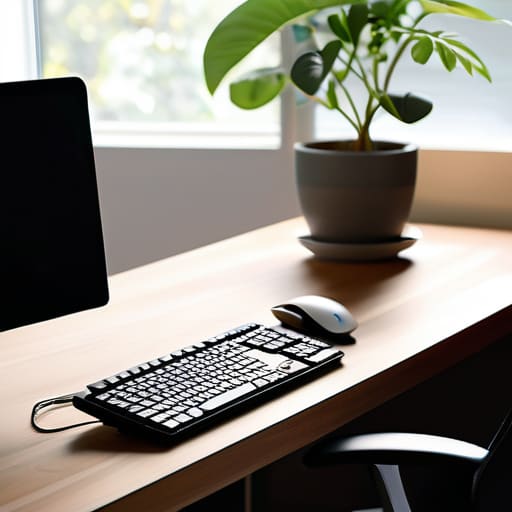
Now, let’s talk about your physical space. I used to think working from my velvet couch was the ultimate luxury, but after a week of backaches, I realized that wasn’t a “vibe”—it was a recipe for disaster. Investing in a proper ergonomic home office setup is honestly one of the best things you can do for your long-term sanity. It’s not just about buying a fancy chair; it’s about positioning your monitor at eye level and ensuring your wrists have support. When your body isn’t constantly sending “ouch” signals to your brain, you can actually focus on your tasks instead of your discomfort.
But here’s the secret sauce: make it joyful. Since we aren’t commuting to a sterile corporate cubicle, we have the freedom to infuse our workspace with personality. I personally keep a small succulent on my desk and a candle that smells like sandalwood to signal to my brain that it’s time to focus. Adding these little sensory touches helps with maintaining work-life balance remote because it creates a clear, pleasant distinction between your “work zone” and your “relaxation zone.”
Five Tiny Tweaks to Reclaim Your Focus and Your Sanity
- Embrace the “Power Hour” with a color-coded twist. I know, I know, it sounds a bit intense, but I’ve found that blocking out one single hour a day for your most dreaded task—and marking it in a bright, motivating shade of teal on my digital calendar—makes it feel less like a mountain and more like a quick sprint.
- Master the art of the “Transition Ritual.” Since we don’t have a commute to separate our “work selves” from our “home selves,” try something small like a five-minute walk around the block or even just changing into a specific pair of “work shoes.” It signals to your brain that the professional day has officially begun.
- Try “Batching” your domestic chaos. Instead of letting the laundry pile up or the dishes haunt you throughout the afternoon, pick one specific window to handle them. It stops that nagging feeling that you should be doing something else while you’re trying to focus on a spreadsheet.
- Use a “Digital Sunset” to protect your brainpower. To avoid that feeling of being perpetually “on,” set a hard cutoff time for checking emails or Slack. Once that timer hits, close the laptop and leave it in your office. Your brain needs to know that the workday is actually over.
- Curate a “Focus Soundtrack” that isn’t just random noise. I personally swear by lo-fi beats or even ambient cafe sounds. Having a consistent audio cue helps trigger a flow state, making it much easier to slide into deep work without your mind wandering to what’s for dinner.
Small Wins for a Smoother Workday
Remember that productivity isn’t about working harder; it’s about setting gentle boundaries and creating a workspace that actually makes you feel good.
Don’t underestimate the power of tiny, intentional shifts—like a better chair or a clearer schedule—to turn your home office from a source of stress into a sanctuary.
Be kind to yourself on the days when the flow isn’t there; the goal is sustainable balance, not achieving some impossible, perfect version of “busy.”
My Secret to Sanity
“Productivity isn’t about squeezing every last drop of labor out of your day; it’s about designing a rhythm that respects your focus, honors your boundaries, and actually leaves you with enough energy to enjoy the life you’re working so hard to build.”
Emily Carter
Finding Your Rhythm
As we wrap this up, I want you to take a second to look back at how far you’ve come. We’ve talked about everything from setting those much-needed gentle boundaries to keep the laundry pile from stealing your focus, to building a workspace that actually feels like a joyful sanctuary rather than a cluttered corner of the living room. Remember, productivity isn’t about squeezing every single drop of labor out of your day until you’re running on fumes; it’s about creating a sustainable flow that honors both your professional goals and your personal well-being. Whether it’s a tiny tweak to your desk setup or a new way to signal to your family that you’re “in the zone,” these small shifts are the building blocks of a much calmer, more intentional lifestyle.
If you’re feeling a little overwhelmed by the idea of changing everything at once, please hear me: you don’t have to be perfect. My color-coded spreadsheets might look organized, but trust me, there are still days when my “home office” is just me hunched over a laptop on the kitchen counter with a half-eaten bagel. The magic happens in the small, consistent attempts to do a little bit better each day. So, pick just one thing we discussed today and try it out tomorrow. You’ve got this, and I truly believe that with a few little adjustments, you can navigate this remote work chaos with a huge smile and even more grace.
Frequently Asked Questions
How do I stop feeling guilty about taking breaks when my "office" is only ten feet away from my couch?
Ugh, I have been there! When my laptop is practically touching my sofa, the “guilt spiral” is real. But here’s the thing: your brain isn’t a machine, and staring at your couch doesn’t mean you’re lazy—it means you’re human. I’ve started treating my breaks like actual appointments in my color-coded planner. If it’s scheduled, it’s productive rest, not procrastination. Give yourself permission to step away; you’ll actually work better when you return!
What should I do if my family or roommates just don't respect my new boundaries?
Ugh, I feel this in my soul. It’s one thing to set a boundary on a color-coded spreadsheet, but it’s another thing entirely when someone walks right through it! If they’re pushing back, try a “soft reset” conversation. Instead of a lecture, try: “Hey, when you pop in while I’m deep in focus, it takes me twenty minutes to get back in the zone. Can we agree on a signal?” It’s about connection, not just rules.
I'm struggling to separate "work mode" from "home mode"—how do I actually shut my brain off at the end of the day?
Oh, I have been there! When your office is also your living room, the lines get blurry fast. I’ve found that a “shutdown ritual” is a total game-changer. Try physically closing your laptop, tidying your desk for five minutes, and then changing your clothes. It sounds simple, but that tiny shift signals to your brain that the workday is officially over. It’s like hitting a mental reset button so you can actually relax!