
I used to think that if I just bought that $50 leather-bound planner or downloaded the latest “aesthetic” productivity app, my life would suddenly snap into place. I spent years in corporate consulting thinking that “mastering your schedule” meant micromanaging every single minute of my existence, but let’s be real: most of those high-pressure time management tips you see on LinkedIn are just recipes for burnout disguised as success. Honestly, staring at a color-coded spreadsheet that tells me I don’t have enough time to even drink my coffee isn’t productivity—it’s just a very organized way to feel stressed.
I’m not here to sell you on a lifestyle overhaul that requires you to wake up at 4:00 AM and meditate for two hours before breakfast. Instead, I want to share the tiny, practical shifts that actually worked for me when I transitioned from the corporate grind to the beautiful chaos of freelance life. We’re going to skip the fluff and focus on realistic, human-sized strategies that help you reclaim your day without losing your mind. Let’s find a little more calm in the chaos, together.
Table of Contents
Finding Your Flow With Simple Daily Scheduling Methods

If you’re anything like me, looking at a massive, daunting to-do list can make you want to close your laptop and hide under a weighted blanket. I used to do the exact same thing! Instead of diving in, I’d spend forty minutes color-coding my snack drawer just to avoid the actual work. One of my favorite ways to break that cycle is by using the Eisenhower Matrix technique. It sounds fancy and corporate, but it’s actually just a simple way to sort your tasks into “do now,” “schedule,” “delegate,” or “delete.” It’s a total game-changer for prioritizing tasks effectively without feeling like you’re drowning in busywork.
Once you’ve actually figured out what matters, you need a way to stay in the zone. I’m a huge fan of the Pomodoro technique benefits—basically, you work in focused 25-minute sprints followed by a quick five-minute break. It keeps my brain from turning into mush by mid-afternoon. These little daily scheduling methods aren’t about being a robot; they’re about creating a rhythm that actually works for your unique energy levels.
The Eisenhower Matrix Technique to Ease Your Mental Load
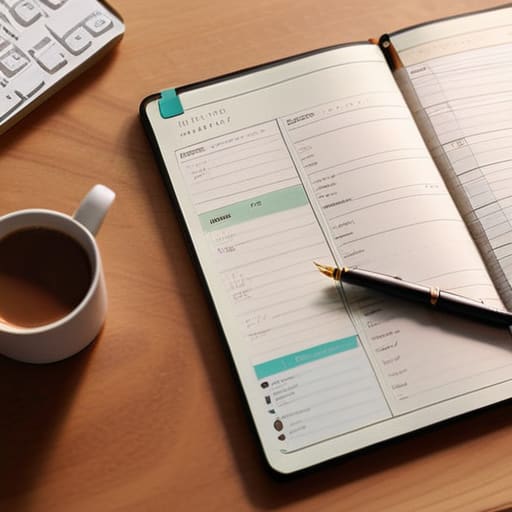
If you’ve ever stared at a massive to-do list and felt that sudden, paralyzing urge to just… close your laptop and nap, you aren’t alone. I used to do this constantly in my corporate consulting days. The secret to stopping that spiral is the Eisenhower Matrix technique. Instead of treating every single notification like a five-alarm fire, this method forces you to categorize tasks into four quadrants based on urgency and importance. It’s one of those productivity hacks for professionals that actually works because it moves you away from “busy work” and toward “impact work.”
By visually separating what actually moves the needle from the stuff that’s just loud and distracting, you start prioritizing tasks effectively without the mental fog. I love this because it’s incredibly satisfying to see that “Urgent/Not Important” pile shrink as you learn to delegate or simply say no. It’s not about doing more; it’s about doing the right things so you can actually enjoy your evening without that nagging feeling that you forgot something vital.
Five Tiny Tweaks to Reclaim Your Afternoon
- Embrace the “Two-Minute Rule” to stop the mental clutter. If a task—like answering a quick email or putting away that pile of mail—takes less than two minutes, just do it right then. It prevents those tiny chores from snowballing into a mountain of stress later in the week.
- Try “Time Blocking” for your deep work. Instead of a never-ending to-do list, carve out specific chunks on your calendar for your most important tasks. I actually use a color-coded system for this in my digital planner, and it’s a total game-changer for staying focused without feeling overwhelmed.
- Build in “Buffer Zones” between your meetings or big projects. We often schedule things back-to-back like we’re robots, but life happens. Giving yourself fifteen minutes of breathing room—or even just time to grab a coffee—prevents that frantic, rushed feeling from taking over your whole day.
- Group your “Like-Minded” tasks together. I call this batching. Instead of jumping from a spreadsheet to an email to a phone call, try doing all your administrative tasks in one go. It keeps your brain in one “mode” and saves you from the exhausting mental tax of constant task-switching.
- Master the “Shutdown Ritual.” At the end of your workday, take five minutes to write down your top three priorities for tomorrow. It allows your brain to officially “clock out” so you can actually enjoy your dinner or your hobby without that nagging feeling that you’ve forgotten something important.
Small Wins, Big Impact: My Top Takeaways
Remember that you don’t need a total life overhaul to see results; focus on those tiny, manageable shifts that actually fit into your real-world routine.
Use tools like the Eisenhower Matrix not just to “get things done,” but to protect your mental energy by filtering out the noise.
Productivity isn’t about squeezing every last drop of work out of your day—it’s about creating enough breathing room so you can actually enjoy the life you’re working so hard to build.
## A Little Perspective for the Overwhelmed
“Time management isn’t about cramming more tasks into your day like you’re playing a high-stakes game of Tetris; it’s about creating enough breathing room so you can actually enjoy the life you’re working so hard to build.”
Emily Carter
Finding Your Calm in the Chaos

We’ve covered a lot of ground today, from finding your rhythm through simple daily scheduling to using the Eisenhower Matrix to stop that endless cycle of “putting out fires.” I know it can feel like a lot to take in, but remember that the goal isn’t to become a robot or a productivity machine. It’s really just about finding those small, manageable systems—like a color-coded calendar or a prioritized to-do list—that act as a scaffold for your day. When you implement these tiny shifts, you aren’t just managing minutes; you are actively reducing the mental noise that keeps you up at night.
At the end of the day, please be kind to yourself. Some days, your schedule will look like a beautiful, organized masterpiece, and other days, it might look more like a pile of unwashed dishes in my kitchen. Both are okay. The magic happens in the consistency of trying, not in achieving absolute perfection. Don’t feel like you have to overhaul your entire existence by tomorrow morning; just pick one little thing to change and see how it feels. You’ve got this, and I’m cheering you on every step of the way!
Frequently Asked Questions
I love the Eisenhower Matrix, but what do I do when everything feels like a "Priority 1" and my list just keeps growing?
Ugh, I have been there. Honestly, I once had a color-coded spreadsheet where everything was flagged red—it was a total meltdown waiting to happen! When the “Priority 1” pile gets scary, you have to play judge and jury. Ask yourself: “If I only got one thing done today, which one would actually make me sleep better tonight?” Pick that one, and ruthlessly delegate or defer the rest. One win at a time, okay?
How do I stay consistent with these scheduling methods when my daily routine keeps getting hijacked by unexpected emergencies?
Ugh, the “hijacked schedule”—I have lived this! Honestly, when the chaos hits, don’t try to force your original plan; that’s just a recipe for frustration. Instead, I use a “buffer block.” I build 30-60 minutes of unplanned white space into my color-coded calendar specifically for these fires. If no emergency happens? Amazing, you just found extra time for a coffee break! If one does? You’ve already accounted for the chaos.
Is there a way to manage my time better without feeling like I'm turning my entire life into a rigid, soul-crushing checklist?
Oh, I hear you loud and clear. Honestly, if I turned my life into a strict, minute-by-minute checklist, I’d probably stage a one-woman protest against my own spreadsheets! The secret isn’t more rigidity; it’s about “time blocking” with intention rather than perfection. Instead of scheduling every second, try grouping similar tasks into cozy little windows. It gives you a sense of direction without that suffocating feeling of being a slave to a clock.