We’ve all been there: it’s 7:00 PM on a Tuesday, you’re staring into the fridge, and all you see is a graveyard of Tupperware containing sad, lonely portions of last night’s chicken. Most “gourmet” food blogs will try to convince you that you need a massive grocery haul and three hours of prep time to make something new, but honestly? That is total nonsense. I’m tired of the idea that knowing how to use leftovers has to be a whole secondary cooking project. If I wanted to spend my entire evening standing over a stove, I wouldn’t have transitioned into freelance work for the flexibility!
I’m not here to give you complicated, five-star recipes that require ingredients you don’t actually own. Instead, I want to share my own tried-and-true systems—the kind of practical, low-effort shifts that actually work when you’re exhausted. We’re going to talk about real-world ways to transform those scraps into something genuinely delicious without the stress. Think of this as your no-nonsense guide to reclaiming your time and your dinner, one container at a time.
Table of Contents
- Storing Leftovers Safely for a Stress Free Kitchen
- Creative Kitchen Hacks to Breathe New Life Into Meals
- My Go-To Strategies for Making Leftovers Feel Like a Brand New Meal
- Quick Wins for Your Leftover Game
- My Philosophy on the "Leftover Life"
- Making the Most of Every Bite
- Frequently Asked Questions
Storing Leftovers Safely for a Stress Free Kitchen
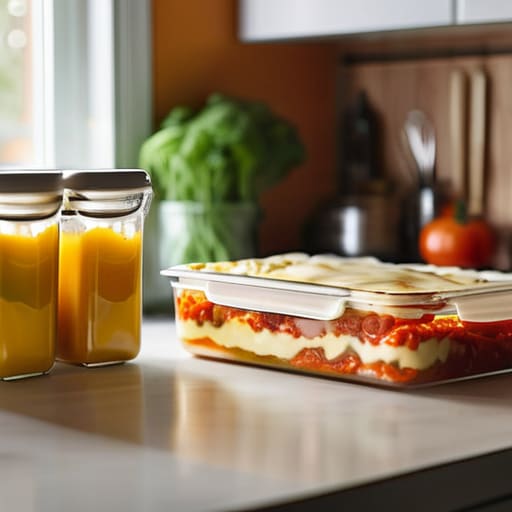
Before we get into the fun part—the actual eating—we have to talk about the unglamorous side of things: safety. I know, I know, nobody wakes up craving a lecture on food safety, but trust me, your stomach will thank you later! I used to be terrible at this, just shoving random containers into the back of the fridge and hoping for the best, but I’ve learned that storing leftovers safely is the real secret to a stress-free kitchen. The golden rule? Get those dishes into the fridge within two hours of cooking. If you leave that lasagna sitting on the counter all evening while you binge-watch a new series, you’re basically inviting unwanted guests to the party.
I’m also a huge advocate for using airtight glass containers. Not only do they keep things fresher for longer, but they also make meal prep with leftovers so much easier when you’re grabbing lunch on your way out the door. Plus, let’s be honest, there is something incredibly satisfying about a clear, organized fridge—it’s like a little color-coded win for my brain! By taking an extra thirty seconds to seal everything up properly, you’re not just protecting your health; you’re also practicing some essential food waste reduction tips that keep your kitchen running like a well-oiled machine.
Creative Kitchen Hacks to Breathe New Life Into Meals
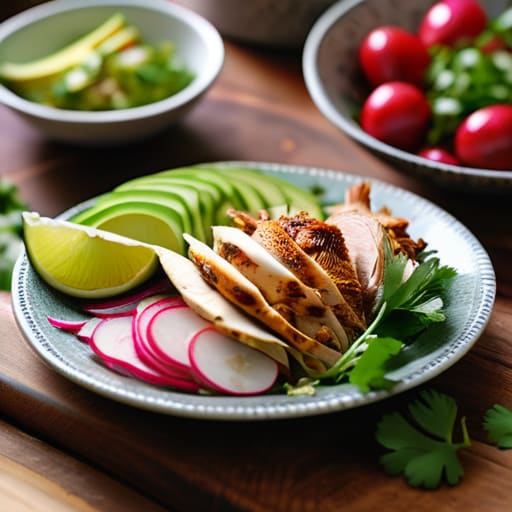
Now for the fun part—where we stop thinking about “old food” and start thinking about “new ingredients.” One of my favorite creative kitchen hacks is to stop viewing a meal as a finished product and start seeing it as a building block. For instance, if you have leftover roasted chicken, don’t just reheat it in the microwave (we’ve all been there, and it’s never great). Instead, try repurposing cooked proteins by shredding that chicken into a vibrant lime-infused taco salad or tossing it into a quick pesto pasta. It’s a total game-changer for your midweek energy levels!
I also swear by the “base layer” method for transforming dinner into lunch. If you have extra grains like quinoa or farro, keep them in a dedicated container to act as a foundation for a hearty grain bowl the next day. Just add some fresh greens, a hard-boiled egg, and a quick drizzle of tahini, and suddenly you have a gourmet meal that feels intentional rather than accidental. It’s all about those small, delicious shifts that make meal prep with leftovers feel like a treat instead of a chore.
My Go-To Strategies for Making Leftovers Feel Like a Brand New Meal
- Embrace the “Bowl Method” for a quick lunch. If you have leftover roasted veggies, a bit of protein, and some grains, just toss them into a bowl with a drizzle of tahini or a squeeze of lime. It’s basically a deconstructed grain bowl that looks way more intentional than “sad fridge scraps.”
- Master the art of the “Transformation Base.” Think of your leftovers as ingredients rather than finished dishes. That extra portion of spaghetti bolognese? It’s actually just a delicious, ready-made sauce waiting to be smothered over some creamy polenta or folded into a frittata.
- Keep a “Flavor Booster” kit in your pantry. Sometimes leftovers just feel a little… flat. I always keep things like chili oil, feta cheese, toasted nuts, or even a good hot sauce on hand. A quick sprinkle of something crunchy or spicy can totally mask the fact that the meal was cooked two days ago.
- Don’t be afraid to freeze for later. If you realize you’re never going to finish that batch of chili, don’t let it rot in the back of the fridge! Portion it out into single-serve containers and freeze them. It’s like having a personal stash of homemade TV dinners for those nights when you’re too exhausted to even think about cooking.
- Use your leftovers as a “Shortcut Ingredient.” If you have leftover cooked chicken or steak, shred it up and use it as a protein boost for a quick quesadilla or a salad. It saves you so much prep time, and honestly, it’s a total lifesaver on those hectic Tuesday nights.
Quick Wins for Your Leftover Game
Think of your leftovers as “building blocks” rather than finished meals; a little bit of creativity can turn a plain protein into a brand-new star dish.
Stay organized by using clear containers and labeling them—my color-coded system works for my budget, and it works wonders for my fridge!
Don’t be afraid to experiment with new spices or sauces to completely change the flavor profile and keep things from feeling repetitive.
My Philosophy on the "Leftover Life"
“I like to think of leftovers not as ‘old food,’ but as a head start on tomorrow’s success. It’s all about taking those little bits of yesterday and turning them into a fresh, effortless win for your busy self today.”
Emily Carter
Making the Most of Every Bite
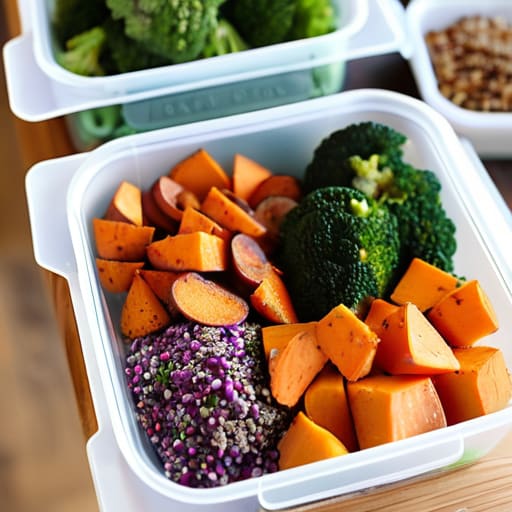
At the end of the day, mastering your leftovers is about much more than just avoiding food waste; it’s about reclaiming your time and your budget. We’ve covered everything from the essential safety rules of proper storage to those clever kitchen hacks that can turn a boring pile of roasted veggies into a vibrant new grain bowl or a zesty taco filling. By being a little more intentional with how you label your containers and how much creativity you bring to the table, you’re essentially prepping for your future self. Think of it as a gift to your Tuesday-night-self, who will be so incredibly grateful that a delicious, ready-to-go meal is already waiting in the fridge.
I know that sometimes the chaos of a busy week makes even the simplest task feel overwhelming, but please remember that progress is better than perfection. You don’t need to be a Michelin-star chef to make your leftovers taste amazing; you just need a little curiosity and a willingness to experiment. Whether you’re turning last night’s chicken into a gourmet salad or repurposing a sauce for a quick pasta dish, you are taking a small, practical step toward a more organized and sustainable lifestyle. So, go ahead and dive into that fridge with a smile—you might just find your new favorite meal hiding in plain sight!
Frequently Asked Questions
How long can I actually keep these leftovers in the fridge before they're no longer safe to eat?
I totally get it—that “is this still good?” dance in front of the open fridge is a mood. Generally, you’re looking at a three-to-four-day window for most cooked meals. If it’s been longer than that, even if it looks fine, I’d play it safe and toss it. I actually keep a little color-coded “date started” column in my meal prep spreadsheet just to keep myself honest. Better safe than sorry!
Are there any specific containers I should be using to keep my food from tasting "fridgey" or getting soggy?
Ugh, the dreaded “fridge smell”—I’ve been there! To keep your food tasting fresh, ditch the flimsy plastic wrap. I swear by glass containers with airtight silicone seals; they don’t absorb odors and keep everything crisp. For anything crunchy, like leftovers that shouldn’t get soggy, try vacuum-sealed containers if you have them. It’s a tiny investment, but it’ll save your meals (and your sanity) from that weird, stale taste!
I have a bunch of random ingredients left over—is there a way to combine them without it turning into a total kitchen disaster?
Oh, I have been there! Honestly, staring at a fridge full of “randomness” can feel a little overwhelming, but it’s actually where the magic happens. Think of it like a puzzle. My go-to trick? Find a “base” like rice, pasta, or greens, and then use a sauce—like pesto or tahini—to tie everything together. It’s basically the “kitchen sink” method, and as long as you have a good seasoning game, it’s a total win!