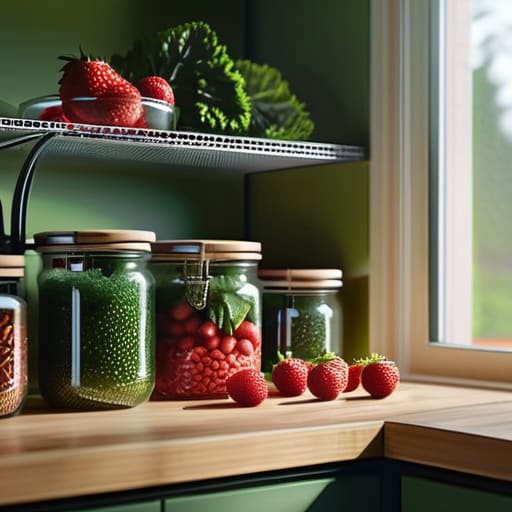
We’ve all been there: you open the crisper drawer only to find a science experiment masquerading as a head of lettuce. It’s incredibly frustrating, especially when you’ve spent your hard-earned money on fresh produce only to watch it wilt into oblivion by Tuesday. I used to think I needed those expensive, high-tech vacuum sealers or a dedicated “smart” fridge to keep things fresh, but honestly? Most of that is just marketing fluff designed to empty your wallet. Learning how to store food properly isn’t about buying more gadgets; it’s about understanding a few simple, logical shifts in how you treat your groceries the moment you walk through the door.
I’m not here to give you a lecture or a list of complicated rules that require a PhD to follow. Instead, I want to share the practical, no-nonsense strategies I’ve gathered from years of trial, error, and a fair amount of wasted spinach. We’re going to dive into the small, actionable tweaks—from herb preservation to pantry organization—that will help you reduce waste and save actual money. Let’s get your kitchen running like a well-oiled machine, one container at a time.
Table of Contents
- Mastering Refrigerator Organization Tips for Less Chaos
- Preventing Food Spoilage With Simple Daily Habits
- My Go-To Hacks for Keeping Everything Fresh (and Not Wasting Money!)
- My Quick Cheat Sheet for a Stress-Free Kitchen
- A Mindset Shift for Your Kitchen
- Small Shifts, Big Wins
- Frequently Asked Questions
Mastering Refrigerator Organization Tips for Less Chaos
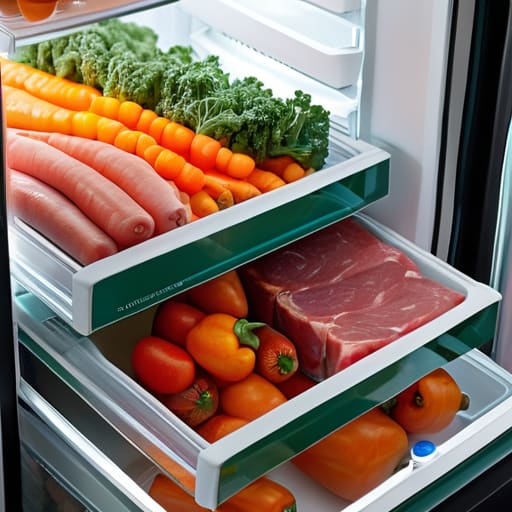
If you’re anything like me, your fridge probably oscillates between “organized minimalist dream” and “science experiment gone wrong.” To stop that cycle, I’ve learned that understanding safe food temperature zones is a total game-changer. I used to just toss everything in wherever it fit, but now I make sure my dairy and meats stay on the lower, colder shelves, while my produce gets its own dedicated drawer. This little tweak is one of my favorite ways of preventing food spoilage before it even starts.
I’m also a huge advocate for the airtight container benefits that come with investing in a decent set of glass bins. Not only do they look beautiful (and yes, I definitely color-coded my labels!), but they keep your leftovers from absorbing those weird “fridge smells.” By grouping similar items together, you can see exactly what you have at a glance. It’s these tiny, practical shifts in how we manage our space that turn a chaotic kitchen into a streamlined, stress-free zone.
Preventing Food Spoilage With Simple Daily Habits
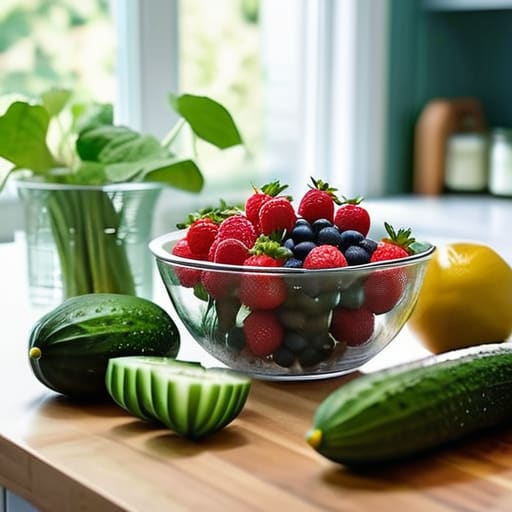
Honestly, I used to be the queen of “forgotten leftovers,” only to discover a science experiment in a Tupperware container at the back of my fridge. It’s a heartbreak I don’t want for you! One of my favorite ways of preventing food spoilage is simply doing a quick “audit” every couple of days. Instead of waiting for your weekly grocery haul to clean everything out, take two minutes on a Tuesday night to check your produce. If you see a berry looking a little sad or a cucumber getting soft, use it up immediately in a smoothie or a quick stir-fry.
Another game-changer that has saved my sanity (and my wallet) is leaning heavily into the airtight container benefits. I’ve become a bit obsessed with investing in high-quality glass containers; they don’t just look pretty in my color-coded pantry, they actually keep things crisp for much longer. Also, don’t underestimate the power of a quick check on your pantry staples shelf life. Keeping your dry goods in sealed bins prevents that dreaded stale feeling and keeps your kitchen running like a well-oiled machine.
My Go-To Hacks for Keeping Everything Fresh (and Not Wasting Money!)
- Grab some glass containers for your leftovers. I know, I know, they take up a bit more room in the dishwasher, but they seal way better than plastic, meaning your Tuesday night chili won’t taste like last week’s onions.
- Treat your leafy greens like royalty. Instead of just tossing them in a bag, tuck a paper towel into the container to soak up extra moisture—it’s a total game-changer for keeping spinach from turning into green slime.
- Don’t let your potatoes and onions become roommates. They actually release gases that make each other spoil faster, so keep them in separate, dark spots to extend their shelf life.
- Master the “First In, First Out” method. It sounds like something from my old corporate days, but honestly, just moving the older items to the front of your pantry or fridge ensures you actually eat what you buy before it goes bad.
- Invest in some decent reusable silicone bags for your berries and snacks. They let the produce breathe a little better than airtight plastic, which helps prevent that dreaded fuzzy mold from moving in overnight.
My Quick Cheat Sheet for a Stress-Free Kitchen
Think of your fridge like a color-coded spreadsheet—grouping similar items together makes it way easier to see what you actually have before you head to the store.
Don’t let “out of sight, out of mind” drain your bank account; a quick five-minute scan of your pantry and fridge every few days can stop food waste in its tracks.
Small tweaks, like using the right containers or knowing which veggies love humidity, are the secret weapons to keeping your groceries fresh and your meal prep much smoother.
A Mindset Shift for Your Kitchen
“Proper food storage isn’t just about keeping your spinach from turning into slime; it’s about making a small, intentional investment in your future self—the one who isn’t stressed out by a wilted salad or a wasted grocery budget on a Tuesday night.”
Emily Carter
Small Shifts, Big Wins
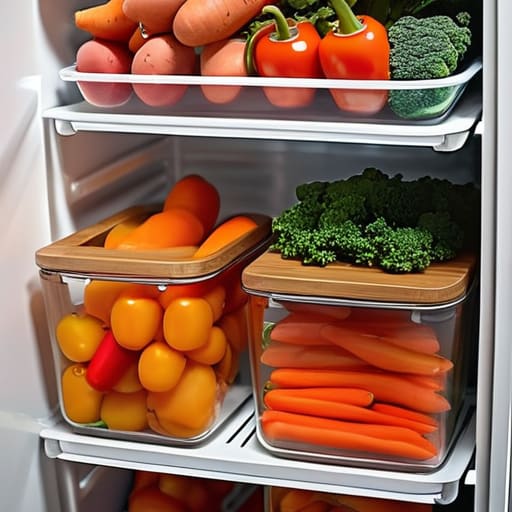
At the end of the day, mastering your food storage isn’t about achieving some impossible level of kitchen perfection or having a pantry that looks like a Pinterest board. It’s really just about those small, intentional habits—like grouping your veggies by shelf life or finally investing in a few decent airtight containers—that save you time and money in the long run. When we take a moment to organize our fridge and stay mindful of how we tuck things away, we aren’t just preventing spoilage; we are actually reducing the mental load of “what’s for dinner?” every single evening.
I know that life can feel incredibly chaotic, especially when you’re juggling a million different responsibilities, but I promise you that these tiny tweaks can make a world of difference. Think of your kitchen as a sanctuary of efficiency rather than another chore on your to-do list. As you start implementing these shifts, remember that progress is much better than perfection. You’ve got this! Go ahead and take that first small step today, and watch how much more breathing room you create in your daily routine. Happy organizing!
Frequently Asked Questions
Is it actually worth the extra effort to invest in those fancy vacuum sealers, or can I just stick to my trusty containers?
Honestly, it depends on your kitchen vibe! If you’re a “buy in bulk” kind of person or someone who loves prepping big batches of protein, a vacuum sealer is a total game-changer for preventing freezer burn. But if you’re mostly just storing leftovers or fresh veggies, your trusty containers are more than enough. Don’t feel pressured to buy every gadget; sometimes, the simplest tools are the ones that actually make our lives easier!
How do I know which fruits and veggies should live on the counter versus tucked away in the crisper drawer?
This is such a common headache! I used to just toss everything in the fridge and wonder why my avocados turned into mush overnight. Think of it this way: if it’s tropical or needs a little warmth to reach its peak—like bananas, tomatoes, or stone fruits—let them hang out on the counter. But once they’re ripe? Move them to the fridge to hit the pause button. Everything else, like leafy greens and berries, belongs in that crisper drawer!
I have a serious habit of forgetting what’s in the back of my pantry—are there any easy ways to keep track of expiration dates without losing my mind?
Oh, I feel this in my soul! I used to have a “pantry graveyard” of expired pasta sauce too. Honestly, the easiest fix is a simple “First In, First Out” system. When you bring home new groceries, slide the older stuff to the front. I also swear by using a small chalkboard or even just a bright marker to jot expiration dates directly on the lids. It’s a tiny shift, but it saves so much mental energy!