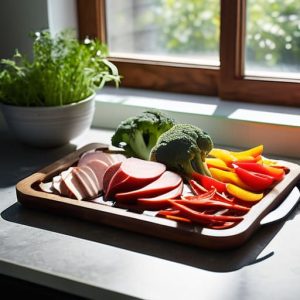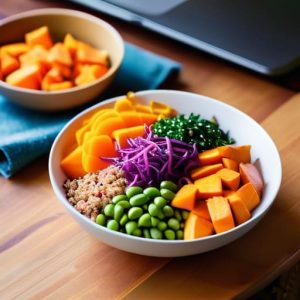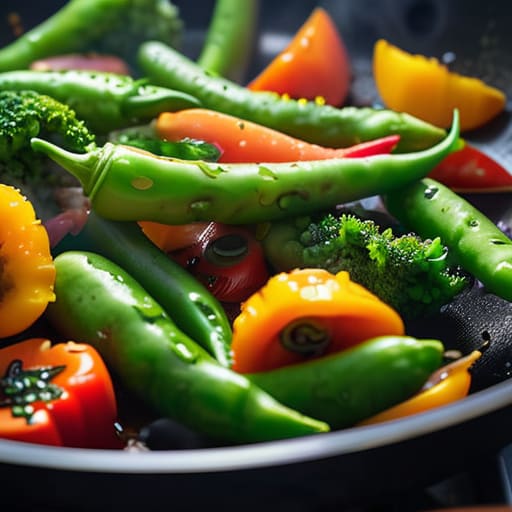
Honestly, if I see one more recipe claiming you need a professional-grade carbon steel wok and a specialized high-pressure burner to master this dish, I might actually lose it. We’ve been sold this myth that learning how to make a stir fry requires an expensive kitchen overhaul and a culinary degree, when in reality, it’s mostly just about managing your heat and your timing. I spent way too many years in my corporate consulting days thinking I needed the “perfect” setup to be efficient, only to realize that real productivity—and real cooking—is about working with what you actually have in your pantry.
I’m not here to give you a lecture on traditional techniques or a shopping list that costs more than my monthly grocery budget. Instead, I’m going to show you how to turn a chaotic weeknight into a delicious little win using nothing more than a standard skillet and whatever veggies are currently wilting in your crisper drawer. My promise to you is a no-nonsense, streamlined approach that focuses on the small, practical shifts that make cooking feel like a joy rather than another chore on your to-do list.
Table of Contents
Smart Vegetable Prep for Stir Fry Success
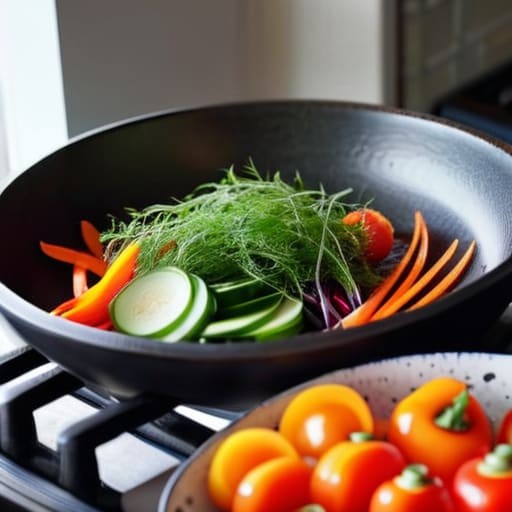
Now, let’s talk about the secret weapon that separates a soggy mess from a restaurant-quality meal: your prep work. I know, I know—the idea of chopping a mountain of veggies sounds like a chore, but trust me, this is where the magic happens. My personal rule? Get all your vegetable prep for stir fry done before you even touch the stove. Once that heat goes up, things move incredibly fast, and the last thing you want is to be frantically dicing a bell pepper while your garlic is burning in the pan.
To keep things interesting, I like to aim for a mix of textures. Think crunchy snap peas, tender broccoli florets, and maybe some thinly sliced carrots for a pop of color. If you want to level up, try cutting everything into uniform, bite-sized pieces. This ensures that everything cooks at roughly the same rate, which is crucial when you’re using high heat cooking methods. It might feel like a bit of extra work upfront, but seeing those perfectly prepped bowls lined up on my counter makes me feel so much more in control of the kitchen chaos!
Choosing Your Protein Selection for Stir Fry
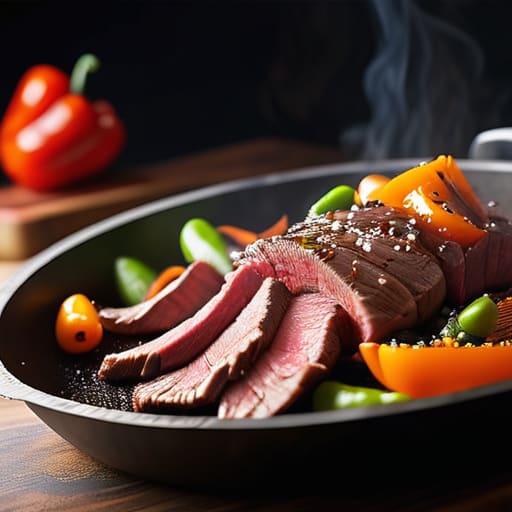
Now, let’s talk about the real star of the show: the protein. When it comes to protein selection for stir fry, I like to think of it as the anchor of your entire meal. If you’re feeling adventurous, thinly sliced flank steak or even some juicy shrimp can take your dinner from “standard” to “restaurant-quality” in minutes. My personal rule of thumb? Always slice your meat against the grain. It’s a tiny detail, but it makes a massive difference in how tender everything feels once it hits the pan.
If you’re leaning towards a plant-based vibe, don’t feel like you’re missing out. Firm tofu is a total game-changer if you press it well first—it soaks up all those delicious stir fry sauce ingredients like a little sponge. Whether you’re opting for chicken, tofu, or even some sliced pork, the goal is to keep the pieces bite-sized and uniform. This ensures everything cooks through quickly and evenly, which is absolutely crucial when you’re working with those intense, high-heat cooking methods we love so much!
My Secret Sauce for Stir Fry Success (Without the Stress)
- Don’t skip the “mise en place” phase—and no, I don’t just mean that fancy chef term. Get all your sauces measured, your veggies chopped, and your proteins ready in little bowls before you even touch the stove. Once that heat hits the pan, things move fast, and the last thing I want is to be frantically chopping garlic while my onions are turning into charcoal.
- Crank up the heat! A stir fry isn’t a slow simmer; it’s a high-speed sprint. You want your pan screaming hot so you get that beautiful sear on your veggies rather than just steaming them in their own juices. If you’re working in batches, that’s totally fine—it’s much better to cook in stages than to crowd the pan and lose that essential sizzle.
- Master the art of the “sauce-to-crunch” ratio. I love a good, glossy sauce that clings to every morsel, but you don’t want a soup. Add your liquid elements toward the very end of the cooking process. This keeps your vegetables crisp and vibrant instead of limp and sad, which is a total productivity killer for your tastebuds.
- Use a high-smoke point oil. Since we’re playing with high heat, skip the extra virgin olive oil—it’ll burn and taste bitter faster than I can organize a new spreadsheet. Stick to something reliable like avocado, peanut, or grapeseed oil. They can handle the heat of the moment without breaking a sweat.
- Balance your flavors like a pro. A truly great stir fry hits all the notes: salty (soy sauce), sweet (a touch of honey or brown sugar), acidic (a splash of rice vinegar), and spicy (those chili flakes I keep in my pantry). If it tastes a little “off” mid-way through, don’t panic—just adjust one element at a time until it clicks!
Quick Wins for a Stress-Free Stir Fry
Get your prep done before you even touch the stove—having your veggies and proteins chopped and ready in little bowls is the secret to avoiding that mid-cook panic.
Don’t be afraid to play with your protein; whether you’re going with crispy tofu or juicy chicken, just make sure it’s cut into bite-sized pieces for that perfect, quick cook.
Remember that the magic is in the heat, so keep your pan hot and your ingredients moving to get that delicious, restaurant-style sear without the mush.
The Secret to Stir Fry Bliss
“Stir fry isn’t about following a rigid recipe to the letter; it’s about embracing the beautiful chaos of a hot pan and realizing that a few quick, intentional moves can turn a hectic Tuesday night into a delicious little victory.”
Emily Carter
Bringing It All Together
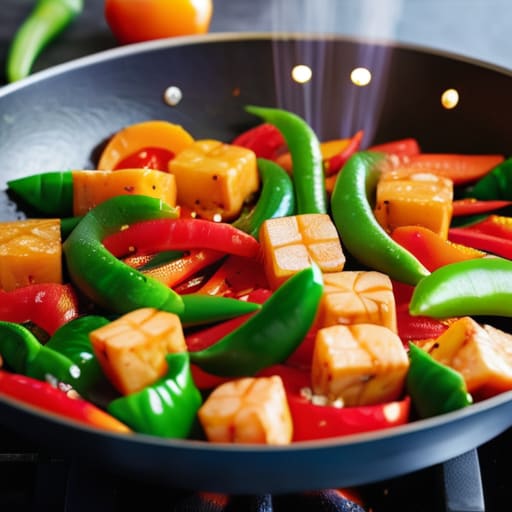
At the end of the day, a great stir fry isn’t about following a rigid recipe to the letter; it’s about the rhythm of the prep and the quality of your ingredients. We’ve covered how getting your veggies chopped uniformly makes all the difference for even cooking, and how picking the right protein—whether it’s a quick-searing shrimp or a hearty tofu—sets the foundation for your meal. Once you have your prep organized (and maybe even color-coded in your head like I do!), the actual cooking becomes a seamless, high-heat dance rather than a stressful kitchen scramble. Just remember to keep that pan hot and your sauce ready to go, and you’ll avoid that dreaded soggy vegetable situation every single time.
I know that after a long workday, the last thing you want to do is face a mountain of dishes or a complicated cooking process, but I promise you that this one little shift is worth it. Mastering a simple stir fry is such a massive win for your weeknight routine, giving you a nutritious, restaurant-quality meal without the expensive delivery fees or the heavy feeling of takeout. So, grab your wok, toss in something unexpected, and don’t be afraid to experiment with flavors. You’ve totally got this, and I can’t wait to hear how your first batch turns out!
Frequently Asked Questions
I've always struggled with soggy veggies—how do I keep them crisp instead of mushy?
Ugh, the dreaded soggy veggie situation—I have been there! I used to think more time in the pan meant better flavor, but I was actually just steaming them into mush. My golden rule? High heat and timing. Toss your harder veggies (like carrots) in first, then add the leafy or delicate stuff at the very last second. Also, don’t crowd the pan! Give them space to sear rather than steam, and you’ll get that perfect crunch.
Do I really need to make my own sauce, or is there a way to do this without a pantry full of specialty ingredients?
Honestly, you absolutely do not need a gourmet pantry to nail this. I used to think I needed every niche Asian condiment in existence, but I’ve learned that most great stir fry sauces are just a mix of salty, sweet, and tangy. If you have soy sauce, a little honey (or sugar), and some garlic, you’re already 90% there. Keep it simple—it’s much more about the balance than the brand names!
My kitchen is tiny and I don't have a massive wok; can I still get that restaurant-style sear using my regular pans?
Oh, I have been there! Living in a tiny apartment taught me that you don’t need a professional kitchen to make magic happen. Honestly, don’t let a lack of a wok intimidate you. The secret to that restaurant-style sear in a regular pan is all about heat and space. Work in small batches so you aren’t crowding the pan—if you dump everything in at once, you’ll end up steaming instead of searing!