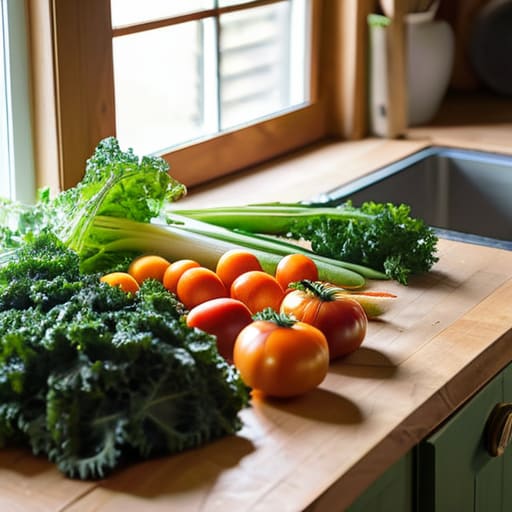
I was standing in my kitchen last Tuesday, staring at a bag of slimy, forgotten spinach and a container of fuzzy strawberries, feeling that familiar, heavy knot of guilt in my stomach. It’s that specific, sinking realization that I’ve essentially thrown money directly into the trash. We’ve all been there, right? You go into the grocery store with the best intentions, armed with a beautiful list, only to find yourself playing a high-stakes game of “what is this smell?” a week later. I used to think that learning how to reduce food waste required a complete lifestyle overhaul or a professional-grade composting system, but honestly, that just felt like another chore on my already overflowing to-do list.
I’m not here to preach about perfection or suggest you spend your entire Sunday meal-prepping for a hypothetical future. Instead, I want to share the small, practical shifts that actually work for a busy person like me. I’ve spent way too much time tinkering with my kitchen systems (and my color-coded spreadsheets!) to figure out what sticks. I promise to give you straightforward, no-nonsense tactics that fit into your real life, helping you reclaim your grocery budget and, more importantly, your peace of mind.
Table of Contents
Mastering Meal Planning for Beginners
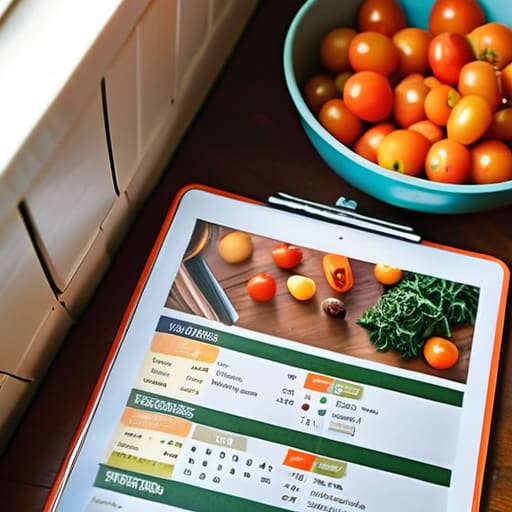
If you’re feeling overwhelmed by the idea of a full-scale kitchen overhaul, take a deep breath. You don’t need to become a professional chef overnight. For me, the real game-changer was embracing meal planning for beginners by starting small—think one or two themed nights a week rather than a rigid seven-day schedule. I used to wander the grocery aisles aimlessly, only to realize halfway through the week that I had zero idea what to cook with the random pile of veggies in my crisper drawer. Now, I sit down with my favorite color-coded spreadsheet, check what I already have, and build my list around those ingredients.
This little bit of prep work is a total lifesaver for reducing grocery expenses, too. When you shop with a specific roadmap, you stop the impulse buys that almost always end up in the trash. I’ve found that even just a quick “inventory check” before heading to the store can save me a significant amount of money and a lot of mental clutter. It’s all about working smarter, not harder, to make sure every single ingredient finds its way into a delicious meal instead of the bin.
Simple Proper Food Storage Techniques
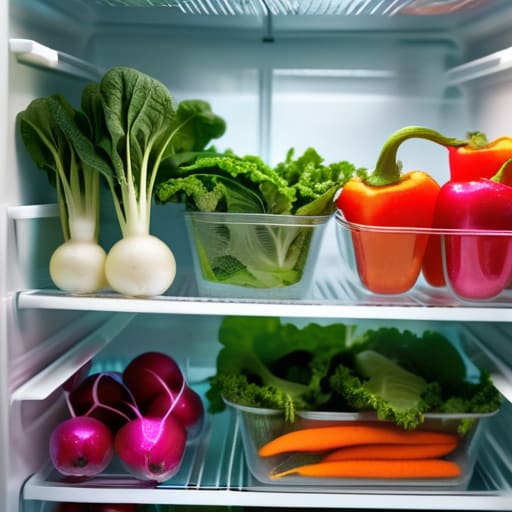
Once you’ve got your meal plan set, the next step is all about where those ingredients actually live. I used to be the person who just shoved everything into the crisper drawer and hoped for the best, but I quickly learned that improper organization is a recipe for disaster. To really master proper food storage techniques, you have to treat your fridge a little like a high-functioning filing system (my color-coded spreadsheets would definitely approve!). For example, keeping leafy greens in a container with a paper towel can absorb excess moisture, which is a total game-changer for preventing that dreaded slimy mess.
It’s also worth spending a little time understanding expiration dates so you aren’t tossing perfectly good food out of pure panic. There is a huge difference between a “use by” date and a “best before” date, and knowing the distinction is one of those small shifts that can significantly help in reducing grocery expenses. If you find yourself with produce that is just starting to look a little tired, don’t panic! Throw it into a freezer bag for a smoothie or look into composting at home to keep things eco-friendly.
My Secret Weapons for a Zero-Waste Kitchen
- Get real with your “Eat Me First” bin. I actually have a little designated basket in my fridge for those lonely half-onions or that yogurt that’s two days from its expiration date. If it’s in the bin, it’s the priority for your next meal!
- Master the art of the “Kitchen Sink” meal. Instead of stressing over a recipe, look at what’s about to expire and turn it into a frittata, a stir-fry, or a hearty soup. It’s like a mini cooking challenge, and honestly, it’s how I came up with my favorite experimental pasta dish.
- Stop buying in bulk just because it’s “on sale.” I used to fall for this all the time, but unless you have a concrete plan for that massive bag of spinach, it’s just going to turn into green sludge in your crisper drawer. Shop for what you actually need for the week.
- Learn to love your freezer. It is literally a time machine for food! If you realize you won’t get to that loaf of bread or those berries before they go bad, toss them in the freezer. They’re perfect for toast or smoothies later on.
- Audit your trash (without the guilt!). Once a week, take a quick peek at what you’re actually throwing away. If you notice you’re constantly tossing wilted cilantro, maybe buy less of it next time or try buying the dried version. It’s all about those small, data-driven adjustments!
Quick Wins for a Less Wasteful Kitchen
Start small by auditing your fridge once a week—I swear, a quick scan before you head to the grocery store is a total game-changer for your wallet!
Embrace the “first in, first out” rule; just like my color-coded spreadsheets, keeping your oldest ingredients at the front of the shelf keeps things organized and prevents those sad, wilted veggies from being forgotten.
Don’t be afraid to get creative with leftovers; turning last night’s roasted veggies into a quick frittata is my favorite way to turn potential waste into a delicious, stress-free meal.
A Little Mindset Shift
“Reducing food waste isn’t about achieving some impossible level of perfection or living a zero-waste lifestyle overnight; it’s really just about making those tiny, intentional choices in your kitchen that turn chaos into a little more breathing room—and a lot more money in your pocket.”
Emily Carter
Small Steps Toward a Simpler Kitchen
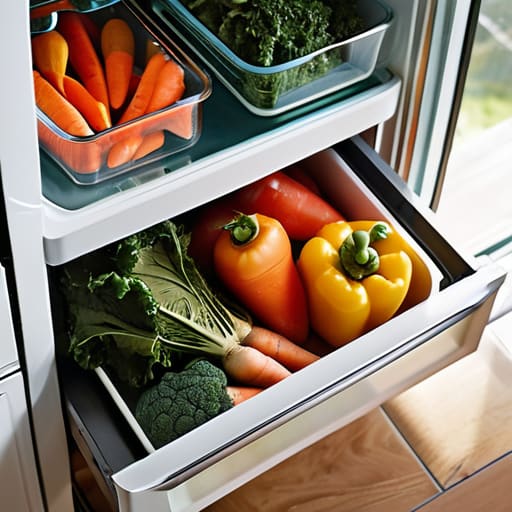
At the end of the day, reducing food waste isn’t about achieving some impossible standard of perfection or running a professional-grade kitchen. It’s really just about those small, intentional habits we talked about—from the way we map out our week with a little meal planning to the way we tuck our veggies into the right crisper drawer. When we combine smart storage with a bit of foresight, we aren’t just saving money; we are actively reclaiming our time and mental energy. I know from my own experience (and my mountain of color-coded spreadsheets!) that once you start seeing the patterns in what you toss, making better choices becomes second nature rather than a chore.
I want you to remember that if you slip up and find a bag of wilted spinach in the back of the fridge, it’s okay! Don’t let one mistake turn into a “well, the whole week is ruined” mindset. The goal is progress, not perfection. Every time you choose to use up those leftovers instead of ordering takeout, or you repurpose a bruised apple into a quick snack, you are winning. You are proving that you can navigate the chaos of a busy life while still being mindful and kind to your planet and your wallet. You’ve got this, and I’m rooting for you!
Frequently Asked Questions
I love the storage tips, but what do I actually do with those random half-onions or wilted greens that are still safe to eat?
Oh, I have been exactly where you are! My fridge used to look like a graveyard for lonely vegetables. Honestly, my favorite hack is the “Everything Soup” or a “Kitchen Sink Frittata.” Just chop up those random bits, toss them in a pan, and call it a gourmet creation! I even keep a dedicated “scrap bag” in my freezer for veggie ends to make homemade broth. It’s like a little scavenger hunt for flavor!
How do I balance meal planning with a busy schedule without it feeling like another overwhelming chore on my to-do list?
I totally get it—when your to-do list is already a mile long, “meal planning” sounds like just another heavy chore. My secret? Stop aiming for perfection. Instead of a rigid seven-day menu, try “theme nights” or just planning three core meals. I even use a color-coded spreadsheet to track what’s in my pantry so I’m not starting from scratch. Keep it flexible, keep it simple, and remember: a “good enough” plan beats a stressful one every time!
Are there any specific budget-friendly grocery shopping habits I should adopt to make sure I'm not overbuying in the first place?
Honestly, my color-coded grocery spreadsheets are my best friend here! Before you even head to the store, do a “fridge audit” to see what’s actually hiding in your crisper drawer. Also, try shopping with a strict list and—this is the big one—never shop hungry! When I’m hangry, I end up with three bags of unnecessary snacks. Stick to the perimeter of the store for whole foods, and you’ll save so much money.