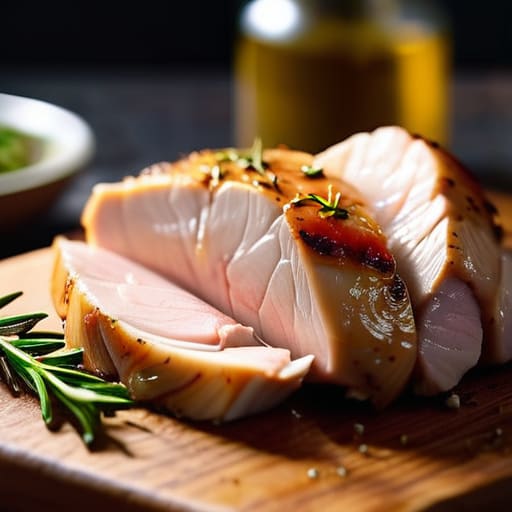
Let’s be real: we’ve all been there, staring down a piece of poultry that has the texture of a literal flip-flop. I used to think that if I didn’t own a professional-grade sous vide machine or follow a twenty-step recipe involving rare spices from across the globe, I was somehow failing at adulthood. But honestly? Most of the “expert” advice you find online about how to cook chicken breast is just way too much noise. You don’t need a culinary degree or a kitchen full of expensive gadgets to stop eating dry, sad meat; you just need to understand a few basic principles that actually work in a real, busy kitchen.
I’m not here to give you a lecture or a list of impossible-to-find ingredients. Instead, I’m sharing the exact, no-nonsense methods I’ve refined after years of trial, error, and way too many wasted dinners. My goal is to show you how to master the basics so you can get a delicious, juicy meal on the table without the stress. We’re going to focus on small, practical shifts—like temperature control and seasoning timing—that will completely transform your dinner routine from a chore into a win.
Table of Contents
The Secret to Preventing Dry Chicken Breast Every Time
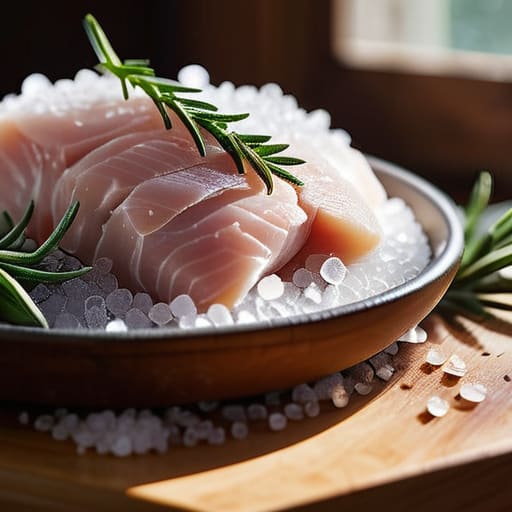
If you’ve ever bitten into a piece of poultry that felt more like a piece of flavored cardboard than a delicious meal, trust me, I’ve been there. It’s frustrating, especially when you’ve put effort into a beautiful side dish! The absolute game-changer for me was learning how to brine chicken before it even hits the heat. It sounds a bit intimidating, like something only professional chefs do, but it’s actually incredibly simple. Just a quick soak in a salt-water solution helps the meat retain moisture, acting like a little safety net against overcooking.
Beyond the prep, the real magic happens when you stop guessing and start measuring. I used to think I could just “eyeball it,” but my color-coded kitchen thermometer tells a different story. To master preventing dry chicken breast, you really need to keep a close eye on the internal temperature for chicken. Once you hit that sweet spot, pull it off the heat immediately! If you let it linger even a minute too long, you’re heading straight into dry territory.
Finding the Best Seasoning for Chicken Your Family Will Love
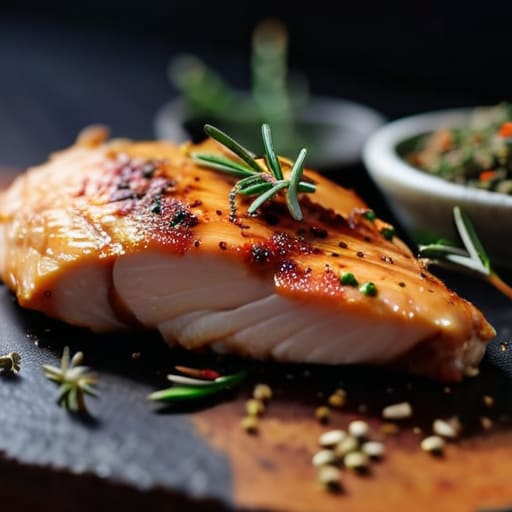
Now, let’s talk about the fun part: the flavor! If you ask me, finding the best seasoning for chicken is a bit like my experimental cooking nights—it’s all about trial and error until you hit that magic combination. For a crowd-pleaser, you can’t go wrong with a classic garlic, paprika, and dried oregano blend. It’s earthy, comforting, and works beautifully whether you’re using a pan seared chicken breast technique or opting for a more hands-off oven baked chicken breast method.
If you want to take things up a notch, I highly recommend experimenting with global spices. I’ve been obsessed lately with a lemon-herb rub that feels like a summer vacation in a bowl. However, if you’re dealing with picky eaters, my golden rule is to keep the spices accessible. You can always add a spicy hot honey drizzle at the table, but you can’t take the heat away once it’s cooked! Just remember, even the most incredible spices can’t mask a piece of meat that’s been overcooked, so keep an eye on that thermometer.
My Top 5 Pro-Tips for Chicken That Actually Tastes Good
- Don’t skip the room temp step! I know, I know, we’re all busy, but taking your chicken out of the fridge about 15 minutes before you cook it helps it cook much more evenly. No more “burnt on the outside, frozen in the middle” disasters.
- Invest in a digital meat thermometer. Seriously, this was a game-changer for my kitchen workflow. It takes the guesswork out of everything and ensures you hit that perfect 165°F without overcooking it into a literal sponge.
- Let it rest! This is the hardest part when you’re hungry, but if you cut into that chicken the second it hits the plate, all those delicious juices will just run out onto the cutting board. Give it five minutes to settle so the moisture stays inside.
- Pat it dry with a paper towel. It sounds like a small thing, but if your chicken is wet when it hits the pan, it’s going to steam instead of sear. You want that beautiful, golden-brown crust that makes a dish feel professional.
- Use a heavy-bottomed pan. Whether it’s cast iron or a good stainless steel skillet, having a pan that holds heat consistently makes a world of difference in getting that perfect even cook we’re all striving for.
Quick Wins for Your Next Chicken Night
Trust the thermometer over the timer; it’s the only way to ensure your chicken is juicy and safe without playing the guessing game.
Don’t skip the rest period—letting that meat sit for a few minutes after cooking is the difference between a dry meal and a tender one.
Keep a “staple” spice blend on hand so you can whip up a delicious, flavorful dinner even when your brain is totally fried after a long workday.
My Philosophy on the Perfect Protein
“At the end of the day, cooking the perfect chicken breast isn’t about mastering some complex culinary technique; it’s about making those tiny, intentional adjustments—like a little extra seasoning or a better sear—that turn a boring Tuesday dinner into something that actually feels like a win.”
Emily Carter
Bringing It All Together
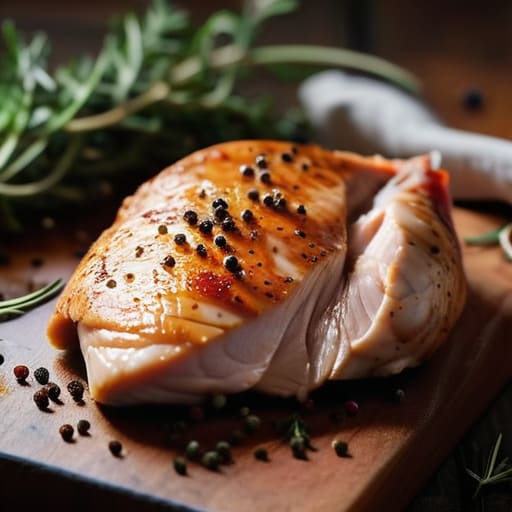
So, there you have it! Mastering the chicken breast doesn’t require a culinary degree or a kitchen full of expensive gadgets. It really just comes down to a few intentional shifts: keeping an eye on that internal temperature to prevent dryness, and not being afraid to experiment with seasonings that actually excite your palate. Whether you’re sticking to a classic herb rub or trying out a bold new spice blend from your latest cookbook, remember that consistency is your best friend in the kitchen. Once you nail these basics, you’ll find that chicken goes from a boring, “what should I eat?” chore to a versatile, delicious staple that fits perfectly into your busy week.
At the end of the day, I want you to remember that cooking should be a source of joy, not another overwhelming item on your to-do list. Don’t sweat it if your first few attempts aren’t absolute perfection—even my most color-coded meal prep plans have their messy moments! The goal is simply to embrace the process and find those small, tasty wins that make your daily routine feel a little more intentional. Now, go grab your skillet, turn up some music, and show that chicken who’s boss. You’ve totally got this!
Frequently Asked Questions
What’s the absolute best way to tell if the chicken is done without constantly cutting into it and losing all those juices?
Trust me, I’ve been there—standing over the stove, hovering with a knife like a detective, only to end up with a dry mess. The absolute game-changer? Get yourself a digital meat thermometer. It’s the only way to be 100% sure without losing those delicious juices. Just aim for an internal temperature of 165°F (74°C). It’s much more reliable than the “poke test,” and honestly, it saves so much mental energy!
Is it actually worth it to let the chicken rest, or am I just wasting time when I'm hungry?
Look, I get it. When my stomach is growling, five minutes feels like five hours. But trust me on this one: letting that chicken rest is non-negotiable! If you cut into it immediately, all those delicious juices just run straight onto your plate, leaving you with meat that feels like cardboard. Give it just five minutes under some foil. It’s a tiny bit of patience that makes a massive difference in every single bite!
Can I use frozen chicken breasts for this, or will that totally ruin the texture?
Oh, I totally get the panic! I’ve definitely been there, staring at a bag of frozen chicken while my stomach is growling. The short answer: Yes, you can absolutely use frozen breasts, but there is a catch! To keep that texture perfect, you really need to thaw them completely in the fridge first. Cooking from frozen can make the outside tough while the inside stays icy—and nobody wants a texture mishap on their plate!