
I used to think that to truly master how to focus with music, I needed a $500 pair of noise-canceling headphones and a curated, three-hour “Deep Work” playlist that cost me a fortune in premium subscriptions. Honestly? That’s just expensive noise. I spent years in corporate consulting trying to follow these rigid, high-tech productivity hacks, only to realize I was spending more time organizing my Spotify folders than actually getting my work done. It turns out, the “perfect” sonic environment isn’t about the gear you own; it’s about finding those tiny, rhythmic shifts that actually help you click into gear without the headache.
In this guide, I’m stripping away the hype and the overcomplicated tech-bro advice to share what actually works for me. I’ll walk you through my personal, battle-tested methods for using sound to anchor your attention, from the specific genres that stop my brain from wandering to the exact moment you should hit the mute button. No fluff, no expensive gadgets required—just practical, real-world shifts to help you navigate your to-do list with a little more ease and a lot more flow.
Table of Contents
The Magic of Lofi Hip Hop for Studying

If you’ve ever found yourself staring blankly at a spreadsheet—which, let’s be honest, is my natural state of being—you know how hard it is to drown out the world. This is where I always turn to lofi hip hop for studying. There is something incredibly soothing about those dusty, repetitive beats; they act like a warm blanket for your brain. Unlike high-energy pop that demands your attention, lofi sits quietly in the background, providing just enough rhythm to keep you moving without pulling you away from your task.
The real secret sauce here is the lack of vocal distraction. I’ve found that the impact of lyrics on concentration can be a total productivity killer when I’m trying to tackle complex writing projects. When words are involved, my brain instinctively tries to process the story being told, which is the last thing I need when I’m deep in a flow state. By choosing instrumental tracks, you’re essentially creating a predictable sonic environment. It’s that perfect middle ground—not quite total silence, but not a distraction either—allowing you to finally navigate the chaos of a busy afternoon with ease.
Using Binaural Beats for Productivity and Calm
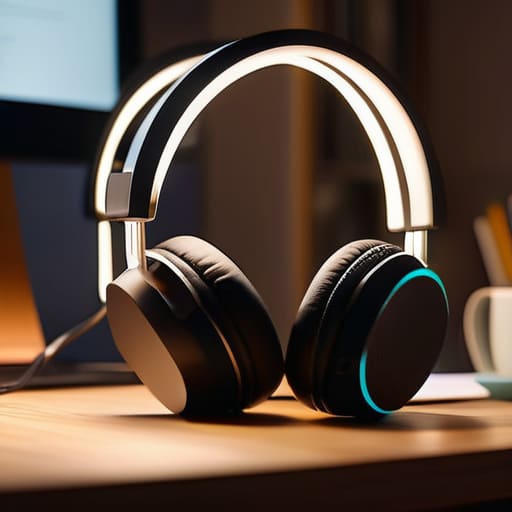
If you’ve ever felt like your brain has too many tabs open at once, you might want to try something a little more “science-y” than your usual playlist. I stumbled upon binaural beats during one of my particularly chaotic freelance sprints, and honestly, it was a game-changer. Unlike a catchy pop song, these are essentially two slightly different frequencies played in each ear, which tricks your brain into a specific state of focus. I’ve found that using binaural beats for productivity is like giving my mind a gentle nudge toward a deep, meditative state without the distraction of a melody.
The best part? There’s zero risk of getting caught in a “lyric loop” where you find yourself humming a chorus instead of finishing that spreadsheet. While I love a good beat, sometimes the impact of lyrics on concentration is just too high when I’m trying to tackle complex tasks. Switching to these steady, rhythmic pulses helps drown out the hum of the city outside my window, creating a private little bubble of calm. It’s one of those small, weirdly effective shifts that helps me find my flow and actually enjoy the grind.
My Go-To Strategies for Finding Your Flow
- Skip the lyrical heavyweights. I’ve learned the hard way that if I’m trying to write a client proposal while listening to anything with catchy lyrics, my brain ends up trying to sing along instead of working. Stick to instrumentals to keep your internal monologue from getting hijacked.
- Curate a “Deep Work” playlist ahead of time. There is nothing that kills my momentum faster than spending twenty minutes scrolling through Spotify when I should be tackling my to-do list. I actually have a color-coded folder in my music app specifically for high-focus sessions.
- Match the tempo to the task at hand. If I’m doing something repetitive like clearing out my inbox, I might crank up some upbeat synthwave to keep my energy high. But if I’m tackling a complex spreadsheet, I switch to something much slower and more rhythmic.
- Don’t fear the silence, but use sound to mask the chaos. If I’m working from a noisy cafe in the city, I don’t just use music; I layer it with some brown noise or ambient cafe sounds. It creates this little sonic bubble that makes the outside world just melt away.
- Use music as a Pavlovian trigger for productivity. I’ve started playing the same specific instrumental track every time I sit down for a deep work session. Now, as soon as those first few notes hit, my brain gets the signal: “Okay, Emily, it’s time to get stuff done.”
Quick Wins for Your Focus Playlist
Don’t be afraid to experiment with different genres; what works for a deep-work session might not work for a quick email sprint, so keep your options open!
Watch out for lyrics—if you’re tackling a task that requires heavy brainpower, stick to instrumental tracks to keep your internal monologue from getting distracted.
Use music as a ritualistic cue; by playing the same type of playlist every time you sit down to work, you’re actually training your brain to flip that “focus switch” much faster.
Finding Your Sonic Sweet Spot
“I’ve learned that the right playlist isn’t just background noise; it’s like a digital weighted blanket for your brain—it tucks out the distractions so you can finally settle into your flow and actually get things done.”
Emily Carter
Finding Your Own Soundtrack

At the end of the day, there isn’t a single “correct” way to soundtrack your workflow. Whether you’ve found your zen through the steady, predictable rhythms of lo-fi hip hop or you’re leaning into the science-backed focus of binaural beats, the goal is the same: finding what works for your unique brain. We’ve looked at how different frequencies and tempos can act as a buffer against the world, helping you drown out the distractions and slide into that coveted deep work state. Remember, it’s all about experimentation—if a certain playlist starts feeling like noise instead of fuel, don’t be afraid to hit shuffle and try something else.
I know how overwhelming it can feel to try and master your productivity when life feels like it’s constantly spinning out of control. But if there’s one thing I’ve learned from my years in the corporate grind and my transition to freelance life, it’s that small, intentional shifts make the biggest difference. You don’t need to overhaul your entire life to feel more in control; sometimes, you just need to put on your headphones, find your rhythm, and smile through the chaos. You’ve got this, and I’m rooting for you!
Frequently Asked Questions
Is there a specific volume level I should aim for so the music doesn't actually become a distraction?
This is such a great question! Honestly, I used to blast my playlists thinking it helped me “zone in,” but I actually ended up just zoning out. I’ve found that the sweet spot is usually around 40-50% volume—essentially, it should be a gentle backdrop, not a front-row concert. If you find yourself humming along or focusing on the lyrics, it’s probably too loud. Aim for “audible but ignorable” to keep that flow state intact!
What should I do if I find myself singing along to the lyrics instead of actually getting my work done?
Oh, I have been there! I once spent twenty minutes having a full-blown concert in my kitchen instead of finishing a client proposal. If you find yourself hitting those high notes instead of hitting your deadlines, it’s time to switch to “instrumental only” mode. Swap those lyric-heavy pop anthems for movie soundtracks or ambient nature sounds. It keeps the rhythm going without giving your brain a reason to join the choir!
Can I use the same type of music for both deep, analytical tasks and more creative brainstorming sessions?
Honestly? I wouldn’t recommend it. I’ve found that my brain needs different “sonic environments” for different tasks. For deep, analytical work—think spreadsheets or heavy reporting—I need steady, predictable beats to keep me anchored. But for brainstorming? That’s when I crave something a bit more atmospheric or even some light jazz to let my thoughts wander. Think of it like dressing for the occasion; your ears deserve a little variety to stay sharp!