Ever feel like your phone is actually a tiny, glowing chaos machine designed to steal your focus? I was sitting in a crowded café in Brooklyn last week, trying to jot down a quick grocery list for a new Thai curry I was experimenting with, when my phone decided it was the perfect moment to bombard me with thirty-seven non-essential notifications. It wasn’t just annoying; it was exhausting. We’ve been told that staying “connected” is the ultimate goal, but most of the generic smartphone tips and tricks you find online just lead to more digital clutter and even more screen time.
I’m not here to tell you to download some obscure, paid app that promises to “optimize your soul.” Instead, I want to share the small, practical shifts that actually worked for me when I was transitioning from the corporate grind to freelance life. I’ve curated a list of real, no-nonsense smartphone tips and tricks that focus on reclaiming your headspace and making your device work for you, rather than the other way around. Let’s turn that digital noise into something a little more peaceful.
Table of Contents
Simple Mobile Device Optimization for a Smoother Flow
First things first, let’s talk about the digital clutter that’s secretly draining your energy (and your battery). I used to be the person with forty-two open tabs and a notification tray that looked like a frantic game of Tetris. One of my favorite mobile device optimization tricks is a ruthless “notification audit.” Go into your settings and turn off everything that isn’t from a real human or a time-sensitive calendar alert. It sounds small, but silencing those random shopping app pings is a total game-changer for your focus.
Once you’ve cleared the noise, let’s look at the hardware side of things. If you feel like your phone is constantly gasping for air by 3:00 PM, you’re likely dealing with background processes that are working overtime. A few hidden mobile settings—like adjusting your screen refresh rate or limiting background app refresh—can lead to a massive smartphone battery life improvement. It’s all about making your tech work for you, rather than you constantly being tethered to a wall outlet. Trust me, your peace of mind (and your charger) will thank you!
Hidden Mobile Settings to Help You Find Your Calm
If you’re anything like me, your phone can sometimes feel like a tiny, glowing source of chaos rather than a helpful tool. One of my favorite ways to reclaim that sense of peace is by diving into those hidden mobile settings that most of us completely ignore. For instance, I’ve found that setting up “Focus Modes” or “Do Not Disturb” schedules is a total game-changer for my mental clarity. Instead of being jolted awake by a random work email at 10 PM, I can curate exactly when certain apps are allowed to interrupt my life. It’s one of those small, intentional shifts that keeps my brain from feeling constantly overstimulated.
Beyond just silencing the noise, I’ve also been playing around with some android and ios productivity hacks to streamline my workflow. A quick tip: try customizing your “Back Tap” feature (on iPhone) or your shortcut gestures to launch your most-used calming apps, like a meditation timer or a simple notes app. It sounds minor, but reducing the number of taps it takes to get to a helpful tool makes a massive difference in how much you actually use your tech for good rather than just scrolling aimlessly.
My Secret Weapons for a Less Chaotic Phone
- Audit your notification settings like you’re cleaning out a cluttered pantry. If an app hasn’t earned its place in your daily life, it definitely doesn’t deserve to buzz in your pocket every twenty minutes. I went on a “notification purge” last month, and the sudden silence was honestly life-changing.
- Embrace the magic of “Focus Modes” to create digital boundaries. I’ve set up a specific “Deep Work” mode that only allows calls from my family and my most essential work apps. It’s like having a tiny, invisible assistant who tells the rest of the world to wait while I actually get things done.
- Curate your home screen for intention, not just aesthetics. Instead of a chaotic grid of icons, try keeping only your most-used productivity tools on the first page. I like to group my “utility” apps—like banking and calendars—into folders on the second page so they’re there when I need them, but they aren’t constantly staring me down.
- Use “Scheduled Summary” features to batch your distractions. Rather than being interrupted by news alerts or social media pings all day, I have my phone collect them into one neat little package that arrives only when I’m actually ready to catch up. It turns a constant trickle of stress into one controlled moment of browsing.
- Master the art of the “Quick Command” or Shortcuts. I spent a little time setting up a few automation shortcuts—like one that automatically turns on my “Wind Down” settings when I plug my phone in at night. It’s a small, automated shift that helps my brain transition from “hustle mode” to “rest mode” without me even thinking about it.
Small Shifts for a Saner Smartphone
It’s not about a total digital overhaul; just a few tiny tweaks to your notifications and settings can go a long way in reclaiming your focus.
Treat your phone like a tool rather than a distraction by organizing your home screen to serve your actual goals, not just your impulses.
Remember that technology should work for you, not the other way around—don’t be afraid to silence the noise to protect your peace.
My Philosophy on Digital Balance
“Your phone should be a tool that serves your life, not a chaotic distraction that dictates it; a few intentional tweaks can turn that constant digital noise into a streamlined companion that actually helps you breathe easier.”
Emily Carter
Reclaiming Your Digital Zen
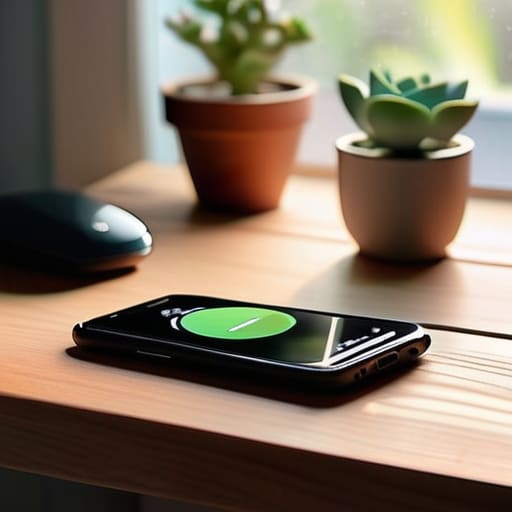
Taking a moment to audit your digital life doesn’t have to be an overwhelming chore. By implementing those little optimization tweaks we discussed and diving into those hidden settings to curb notifications, you’re doing more than just cleaning up your home screen; you’re actively reducing your cognitive load. We’ve looked at how streamlining your device can lead to a much smoother daily flow, ensuring that your phone remains a tool for your success rather than a source of constant, buzzing distraction. Remember, it’s not about being a tech expert; it’s about making small, intentional adjustments that work for your specific lifestyle.
At the end of the day, your smartphone should serve you, not the other way around. I know how easy it is to fall into the trap of mindless scrolling or feeling pulled in a thousand directions by every ping and buzz, but I truly believe that reclaiming your attention is one of the greatest gifts you can give yourself. As you step away from the screen and back into your real, beautiful life, I hope you feel a little more centered and a lot more in control. Go ahead and make those changes—you deserve to navigate the chaos with a smile.
Frequently Asked Questions
Will these setting changes significantly impact my phone's battery life, or am I just trading one problem for another?
That is such a valid concern! I used to worry that I was just playing whack-a-mole with my phone’s settings. Honestly, most of these tweaks—like managing background refresh or tweaking brightness—actually help your battery life by cutting down on unnecessary drain. You aren’t trading one headache for another; you’re actually trimming the digital fat. Think of it as a little efficiency boost for your device (and your sanity)!
I'm a bit of a tech minimalist—are there any specific apps you recommend to help me actually stick to these new digital boundaries?
Since you’re leaning into tech minimalism, you definitely don’t want a phone cluttered with “productivity” apps that actually just create more noise. I’m a huge fan of Forest—it turns staying off your phone into a little game where you grow virtual trees. It’s surprisingly effective! I also swear by Freedom to block distracting sites across all your devices. Keep it lean; if an app doesn’t serve a clear purpose, it’s just digital clutter!
Do these tips work the same way if I'm using an iPhone versus an Android, or do I need a different approach for each?
That is such a great question! Honestly, while the core philosophy—cutting out digital noise—is exactly the same, the “how-to” definitely shifts depending on your device. Think of it like my cooking: the goal is a delicious meal, but the steps for a risotto are way different than making pasta! I’ll make sure to give you specific directions for both iPhone and Android so you can find those exact settings without any guesswork.