If you’ve ever spent a Saturday afternoon wandering through a high-end organic market, feeling like you need a PhD and a small inheritance just to buy groceries, please stop. I used to think that learning how to stock a healthy kitchen meant filling my pantry with $18 jars of artisanal nut butter and exotic superfoods I couldn’t even pronounce. It was exhausting, expensive, and—honestly—completely unsustainable for my actual life. We’ve been sold this myth that “healthy” has to be synonymous with “complicated,” but that’s just a recipe for burnout and a very empty wallet.
I’m not here to give you a lecture on perfect nutrition or a shopping list that requires a second mortgage. Instead, I want to share my personal, color-coded approach to building a pantry that actually works for a busy human. I’ll show you how to focus on versatile staples and smart swaps that make cooking feel like a joy rather than a chore. My goal is to help you master the basics of how to stock a healthy kitchen through small, practical shifts that fit your real budget and your real schedule.
Table of Contents
Curating Your Nutritious Grocery List Essentials
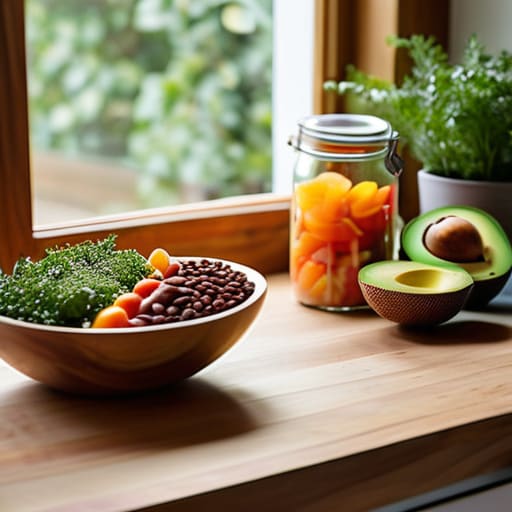
If you’re anything like me, walking into a grocery store without a plan feels like a recipe for disaster (and by disaster, I mean a cart full of expensive, sugary snacks that I’ll regret by Tuesday). To keep things from getting overwhelming, I’ve learned to focus on building a foundation of nutritious grocery list essentials that actually work together. Instead of trying to buy everything in the organic aisle, I aim for a mix of versatile proteins, colorful veggies, and a few whole food pantry staples like quinoa or lentils that can save me when I’m too tired to cook a complex meal.
The secret sauce—literally—is in the seasoning. I always make sure my spice cabinet is stocked with essential spices for healthy cooking, like smoked paprika, cumin, and turmeric. They add massive flavor without needing a mountain of salt or heavy sauces. When I’m planning my week, I try to look at my list through the lens of meal prepping with healthy ingredients; if I buy a big bag of spinach, I want to know it’s going into a smoothie on Monday and a sauté on Wednesday. It’s all about making those small, intentional choices.
Low Processed Food Shopping Tips for Busy Days
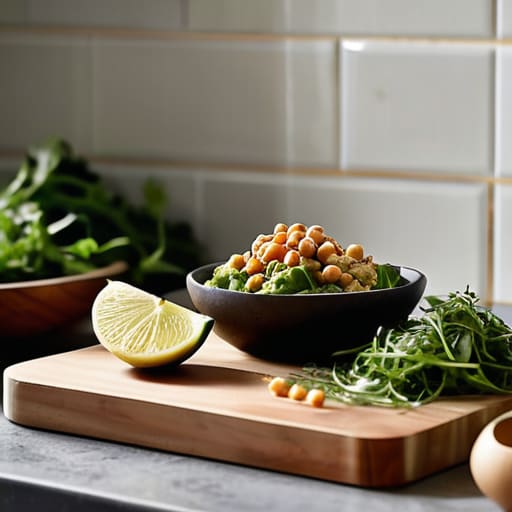
We’ve all been there: it’s 6:00 PM on a Tuesday, your energy is hitting zero, and the siren call of a takeout app is getting really loud. When I was working in corporate consulting, I used to fall into that trap constantly. The secret to breaking that cycle isn’t about having superhuman willpower; it’s about setting yourself up for success before the hunger hits. My favorite low processed food shopping tips involve focusing on “assembly over cooking.” Instead of looking for complex recipes, I shop for things I can throw together in ten minutes—like a pre-washed bag of arugula, a rotisserie chicken, and some canned chickpeas.
Another game-changer is keeping a stash of whole food pantry staples that require almost zero effort. I always make sure my cupboards are stocked with quinoa, lentils, and frozen veggies. These are lifesavers because they don’t spoil and they turn a “nothing in the house” moment into a legitimate meal. If you can master the art of having these basics on hand, you’ll find that meal prepping with healthy ingredients feels less like a chore and more like a natural part of your routine.
My Secret Weapons: 5 Tiny Kitchen Wins for Staying on Track
- Embrace the “Frozen is Fine” Rule: Don’t feel pressured to buy everything fresh. Frozen veggies and fruits are just as nutritious, much cheaper, and—most importantly for my chaotic schedule—they won’t turn into a science experiment in the bottom drawer of my fridge by Thursday.
- Master the Art of the “Base Ingredient”: Instead of buying pre-made meals, keep versatile staples like quinoa, lentils, or brown rice on hand. They take minutes to prep and act as the perfect foundation for whatever random veggies or proteins you have left.
- The One-In, One-Out Pantry Strategy: To avoid that overwhelming “mountain of boxes” feeling, try not to buy a new snack or grain until you’ve used up what you already have. It keeps your pantry organized and prevents that accidental impulse-buy spiral.
- Build a “Flavor Station”: A healthy kitchen doesn’t have to be bland. Keep a small collection of high-quality spices, vinegars, and maybe a good tahini or miso paste. It’s much easier to eat well when your food actually tastes amazing.
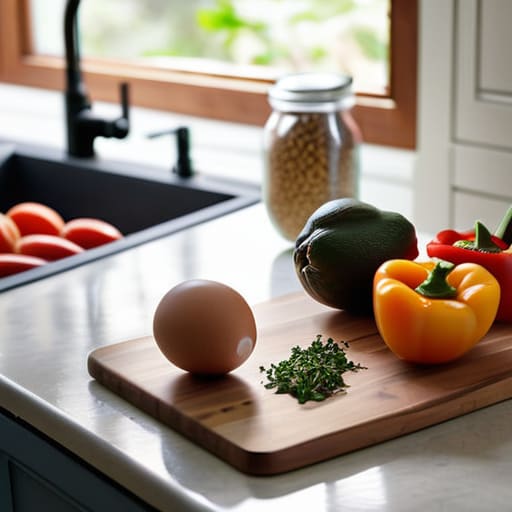
- Prep Your “Grab-and-Go” Heroes: When I have a burst of energy, I don’t meal prep entire recipes; I just prep components. Wash your berries, chop some bell peppers, or hard-boil a few eggs. Having those easy-to-grab items ready makes choosing a healthy snack a no-brainer when hunger hits.
Quick Wins for Your Kitchen Strategy
Don’t aim for a perfect pantry overnight; focus on building a “foundation” of versatile staples like grains, canned beans, and frozen veggies that can save you on those chaotic Tuesday nights.
Shop the perimeter of the grocery store whenever you can, but don’t be afraid to grab a few smart, healthy shortcuts like pre-washed greens to keep your momentum going when life gets busy.
Keep your momentum alive by organizing your newly stocked kitchen with a simple system—even a basic list or a little bit of grouping can prevent that “what’s for dinner?” panic from turning into a takeout order.
The Secret to a Stress-Free Kitchen
“A healthy kitchen isn’t about having a perfectly curated, organic pantry that looks like a magazine spread; it’s about having those few reliable, nourishing staples on hand so that when life gets chaotic, you aren’t forced to settle for takeout.”
Emily Carter
Small Steps, Big Flavor
At the end of the day, stocking a healthy kitchen isn’t about having a perfectly manicured, organic pantry that looks like it belongs in a magazine. It’s really just about setting yourself up for success by keeping those versatile staples—like grains, frozen veggies, and healthy fats—within arm’s reach. Remember, the goal is to make the healthy choice the easiest choice when you’re tired after a long day of work. Whether you’re mastering your grocery list or finding smarter ways to shop during a hectic week, every single intentional swap you make is a massive win for your future self.
I know that looking at an empty fridge can feel overwhelming, especially when your to-do list is already a mile long. But please, be kind to yourself. If you end up ordering takeout one night, don’t let it derail your entire momentum. Building a nutritious kitchen is a marathon, not a sprint, and it’s okay to start small. My best advice? Just pick one thing to improve this week. Maybe it’s buying more colorful produce or finally organizing that spice drawer. Once you find your rhythm, you’ll realize that navigating the chaos becomes so much easier when you have the right tools in your kitchen. You’ve got this!
Frequently Asked Questions
How do I keep my healthy ingredients from going bad before I actually get around to cooking them?
Honestly, I used to be the queen of “sad vegetable drawer syndrome”—you know, where you find a bag of slimy spinach three weeks too late? It’s a total waste of money! My secret weapon is a little system I call “The Prep-Ahead Pivot.” I wash and dry my greens immediately, then tuck them into containers with a paper towel to soak up moisture. Also, I always keep a “use me now” shelf in the fridge for anything nearing its expiration date. Small wins, right?
Is it actually possible to stock a nutritious kitchen on a tight budget, or am I going to be spending my entire paycheck at the organic market?
I promise, you won’t need a corporate consulting salary to eat well! I used to think “healthy” meant “expensive organic boutique,” but my spreadsheets have since proven otherwise. It’s all about the pivot: swapping pricey pre-cut veggies for whole ones and leaning heavily on frozen produce and bulk grains. Think of it as strategic resource management. You can absolutely fuel your body without draining your savings—it just takes a little bit of planning.
What are some quick, healthy "emergency" meals I can keep on hand for those nights when my productivity hits zero and I'm tempted to just order takeout?
We’ve all been there—it’s 7:00 PM, your brain is mush, and the delivery app is looking way too tempting. To fight the takeout urge, I keep a “survival kit” in my pantry. Think: canned chickpeas for a quick Mediterranean salad, frozen veggie stir-fry mixes, or whole-grain pasta with jarred pesto. These take under ten minutes to whip up, saving your budget and your energy without the post-takeout food coma!