I still remember my first apartment in NYC, standing in a cramped kitchen with a pot of what I thought was dinner, only to realize I’d created a gummy, starchy disaster that looked more like wallpaper paste than food. It was demoralizing, especially after spending my entire day navigating corporate spreadsheets and client calls, only to be defeated by a basic grain. We’ve all been there—staring at a pot of mush or, even worse, pebbles that are somehow still crunchy in the middle. I used to think learning how to cook rice perfectly required some high-tech gadget or a PhD in culinary science, but honestly? It’s usually just a matter of mastering a few tiny, predictable shifts in your process.
I’m not here to sell you on expensive rice cookers or complicated, multi-step rituals that take up way too much headspace. Instead, I want to share the no-nonsense, foolproof methods I’ve refined through years of trial, error, and way too many experimental dinners. I promise to walk you through the actual mechanics of water ratios and heat control so you can stop guessing and start enjoying. Let’s turn that kitchen chaos into a small, repeatable win that makes your weeknight meals feel a little more balanced and a lot more delicious.
Table of Contents
The Magic of Rinsing White Rice for Texture
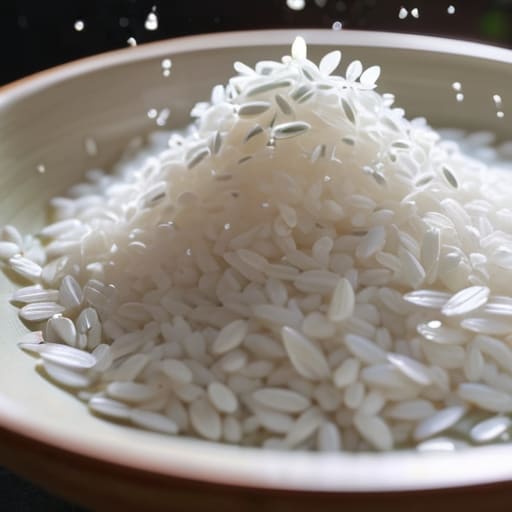
If you’ve ever pulled a pot of rice from the stove only to find it looking more like a gummy, sad paste than a fluffy side dish, I promise you: it’s probably not your stove’s fault. Most of the time, the culprit is something much simpler—excess surface starch. When we talk about rinsing white rice, we aren’t just performing a random kitchen ritual; we are actually performing a bit of “starch surgery.” That cloudy, milky water you see in the bowl? That’s the extra starch that clings to the grains and causes them to stick together in a clumpy mess.
I used to skip this step because, honestly, I was in a rush to get to my yoga class, but once I started making it a non-negotiable part of my routine, everything changed. By swirling the grains in a bowl of cool water and draining them a few times until the water runs clear, you are essentially setting yourself up for success. It is the single most effective way of avoiding mushy rice and ensuring every single grain stays distinct, light, and beautifully textured. It’s a tiny, thirty-second investment that makes a massive difference in the final result.
Finding Your Goldilocks Rice to Water Ratio
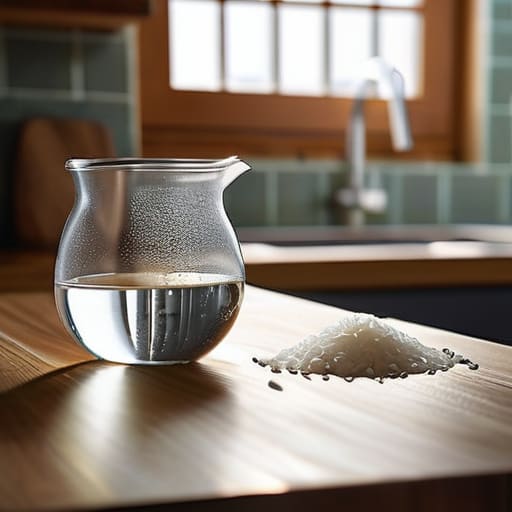
Now, let’s talk about the part that usually makes me break out my color-coded spreadsheets: the math. Finding your ideal rice to water ratio is a bit like finding the perfect balance in a work-life schedule—it’s all about finding that “just right” sweet spot. If you’re using a standard long-grain white rice, the classic 1:2 ratio is your reliable old friend. However, I’ve learned through plenty of kitchen experiments (and a few ruined dinners) that even a tiny deviation can change everything.
If you find yourself consistently avoiding mushy rice by trial and error, pay close attention to the type of grain you’re using. For example, if you’re transitioning to whole grains, you’ll need to pivot your strategy entirely; I highly recommend checking out specific cooking brown rice tips since those tougher outer layers crave much more hydration and time. Whether you’re relying on your trusty rice cooker or using traditional stovetop steaming rice methods, remember that your equipment matters just as much as the measurements. Don’t be afraid to tweak the numbers slightly until it feels exactly right for your specific kitchen setup!
My Secret Weapons for Rice That Never Fails
- Don’t touch that lid! I know the temptation to peek is real, but every time you lift it, you’re letting out all that precious steam. Trust the process and let it sit undisturbed for at least ten minutes after the heat is off.
- Invest in a decent heavy-bottomed pot. I used to use my thinnest saucepan and ended up with a scorched bottom every single time, but a thicker base distributes heat way more evenly.
- Switch up your aromatics. If you want to level up from “basic” to “gourmet,” try sautéing a little garlic or a smashed clove of ginger in the pot with a tiny bit of oil before you even add the rice.
- Use the “resting period” to your advantage. This is my absolute favorite productivity hack for the kitchen: while the rice is steaming itself to perfection, use those ten minutes to clean your prep bowls or chop something else.
- Grab a fork, not a spoon. Once the rice is done and has rested, use a fork to gently fluff it. Using a spoon can smash the grains into a mushy paste, and we are definitely aiming for light and airy here!
My Little Rice Cheat Sheet
Don’t skip the rinse; it’s the secret to avoiding that gummy, gluey texture and getting those fluffy, individual grains we all crave.
Treat your water ratio like a starting point, not a law—always keep a little extra water nearby in case your specific brand of rice is feeling a bit thirsty.
Patience is your best friend, so resist the urge to peek under the lid; letting the steam do its quiet work is what makes the magic happen.
The Secret Ingredient is Intention
“Cooking the perfect bowl of rice isn’t about following a rigid formula; it’s about those tiny, mindful adjustments—like a quick rinse or a slightly different water ratio—that turn a basic staple into a little moment of culinary magic in your busy day.”
Emily Carter
Mastering Your Grain
So, there you have it! We’ve gone from the science of starch to the art of the perfect ratio. Just remember: don’t skip that rinsing step—it’s the secret to avoiding that dreaded, gummy texture—and always keep a close eye on your water measurements. Whether you’re using a high-tech rice cooker or a trusty old stovetop pot, mastering these small, intentional shifts is what separates a mushy mess from a fluffy, restaurant-quality side dish. It’s all about finding that sweet spot where technique meets patience, and once you nail it, you’ll never go back to the “just eyeball it” method again.
At the end of the day, cooking isn’t just about following a set of rigid instructions; it’s about the joy of creating something delicious from scratch. I know that when life feels chaotic, even something as simple as a perfect bowl of rice can feel like a small, beautiful victory. Don’t be afraid to experiment, tweak your ratios, or even fail a few times—that’s just part of the process! I truly believe that when we embrace the little details, we find more room for flavor and fulfillment in everything we do. Now, grab your pot, turn up the music, and go make something amazing!
Frequently Asked Questions
What should I do if I end up with rice that's a little too mushy or too crunchy?
We’ve all been there—you open the lid and realize your rice isn’t exactly “fluffy.” If it’s too mushy, spread it out on a baking sheet to let the excess steam escape; it helps firm things up! If it’s still a bit crunchy, add a splash of water, pop the lid back on, and let it steam on low for a few more minutes. Don’t sweat it—it’s all part of the learning curve!
Is it actually worth using a rice cooker, or can I really get great results just using a standard pot on the stove?
Honestly? It’s a bit of a toss-up, but here’s my take: if you’re looking for “set it and forget it” peace of mind, the rice cooker wins every single time. It’s my ultimate productivity hack for busy weeknights. However, if you’ve mastered the stovetop method we just talked about, you can absolutely get restaurant-quality results in a standard pot. It just requires a little more mindfulness—and maybe a timer!
Can I use the same rinsing and ratio rules for brown rice, or does that require a totally different approach?
Great question! This is where things get a little more complex—think of it like switching from a light summer dress to a cozy sweater. You can’t use the same rules here. Brown rice has that tough outer bran layer, so it needs a longer soak and a much higher water ratio to get tender. While white rice is all about speed, brown rice is a slow-burn process. Patience is key!