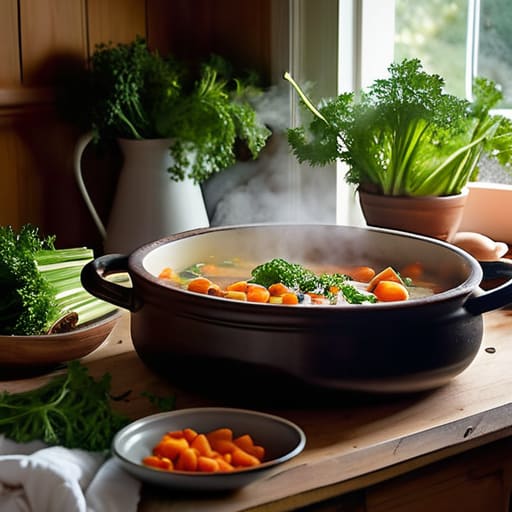
I still remember my first week living in a tiny, overpriced studio in NYC, staring at a fridge that contained nothing but a lonely onion, some wilted kale, and a half-empty carton of broth. I was exhausted from a ten-hour day of freelance hustling and felt completely defeated by the idea of cooking, convinced that learning how to make soup required a professional chef’s pantry and three hours of prep time. But as the steam started rising from my dented pot, that first spoonful of warm, salty goodness felt like a tiny victory against the chaos of my adult life.
I’m not here to give you a list of pretentious, hard-to-find ingredients or a recipe that requires a culinary degree. Instead, I want to show you how to master the art of the “pantry raid” to create something soul-warming and efficient. We are going to break down the fundamental building blocks so you can stop overthinking and start eating well. My promise to you is a no-nonsense guide to creating delicious, nourishing meals that fit into your busy schedule without breaking your budget or your spirit.
Table of Contents
Choosing Your Foundation Stock vs Broth for Soup

Now, let’s talk about the real MVP of your pot: the liquid gold. If you’re staring at the grocery aisle wondering about stock vs broth for soup, don’t panic—it’s a common dilemma even for those of us who live for a good kitchen spreadsheet. Think of it this way: stock is like the sturdy foundation of a house; it’s usually made from bones and is richer, thicker, and much more substantial. Broth, on the other hand, is a bit more lightweight and delicate, often made from just vegetables or meat trimmings.
If you’re aiming for a hearty, soul-warming meal, I usually lean toward stock to give my dishes that extra velvety depth. However, if you’re working on a lighter vegetable soup preparation where you want the individual flavors of your herbs to really shine, a high-quality broth is your best friend. Personally, I love having both in my pantry. It’s all about matching your liquid to the vibe of the meal you’re craving!
The Magic of Essential Soup Seasonings

Once you’ve settled the great debate of stock vs broth for soup, it’s time to move on to the real stars of the show: the spices. Think of your liquid foundation as a blank canvas; the seasonings are what actually bring the masterpiece to life. I always tell my clients that you don’t need a pantry full of rare, expensive imports to make something delicious. In fact, most of my favorite recipes rely on a few essential soup seasonings that you probably already have tucked away in the back of your cabinet.
A little dried thyme, a pinch of smoked paprika, or even a dash of crushed red pepper can completely shift the vibe of your meal. If you’re feeling a bit adventurous, try layering your flavors by adding spices at different stages. For example, blooming your dried herbs in a little bit of oil before adding your liquids is one of my favorite simmering techniques for flavor. It wakes up those dormant oils and ensures every single spoonful feels intentional rather than just “warm liquid.” It’s these tiny, mindful adjustments that turn a basic meal into something truly soul-warming.
My Secret Sauce: 5 Pro-Tips for Soup That Actually Tastes Like a Hug
- Don’t fear the sauté. Before you add a single drop of liquid, take ten minutes to soften your aromatics—onions, garlic, carrots, the whole gang—in a little olive oil or butter. This builds a flavor base that makes your soup taste like it simmered for hours instead of twenty minutes.
- Acid is your new best friend. If you finish your soup and it tastes “flat” or just… meh, don’t reach for more salt. Instead, squeeze in a little lemon juice or a tiny splash of apple cider vinegar. That hit of acidity wakes up all those heavy flavors and makes everything pop.
- Layer your textures. A bowl of mushy vegetables can be a bit depressing, trust me. I love adding something with a bit of “bite” at the very end—think toasted pumpkin seeds, a handful of fresh herbs, or even some crunchy homemade croutons—to keep things interesting.
- Use the “Salt, Fat, Acid” check. Think of your soup like a project you’re managing; if it’s lacking, it’s usually one of these three. If it’s thin, add a bit of cream or coconut milk (fat). If it’s dull, add salt or acid. It’s basically a tiny spreadsheet for your tastebuds!
- Let it rest (and then some). Soup almost always tastes better the next day once the flavors have had a chance to mingle and get cozy. If you’re meal prepping for a busy work week, make an extra big pot on Sunday—your future, stressed-out Monday self will thank you.
My Golden Rules for Soup Success
Don’t sweat the small stuff; whether you grab a carton of store-bought broth or spend an hour simmering a homemade stock, the most important thing is that it provides a tasty, warm base for your creations.
Think of seasonings as your flavor toolkit—start with the basics like salt and pepper, but don’t be afraid to get a little experimental with dried herbs or a dash of spice to find that perfect, comforting balance.
Remember that soup is meant to be flexible, so use it as an opportunity to clear out your fridge and turn whatever random veggies you have on hand into a nourishing, soul-warming meal.
The Soul in the Simmer
“At the end of a chaotic day, soup isn’t just a meal; it’s a way to reclaim your kitchen and your calm, one small, nourishing spoonful at a time.”
Emily Carter
From Simmer to Soul-Soothing Success
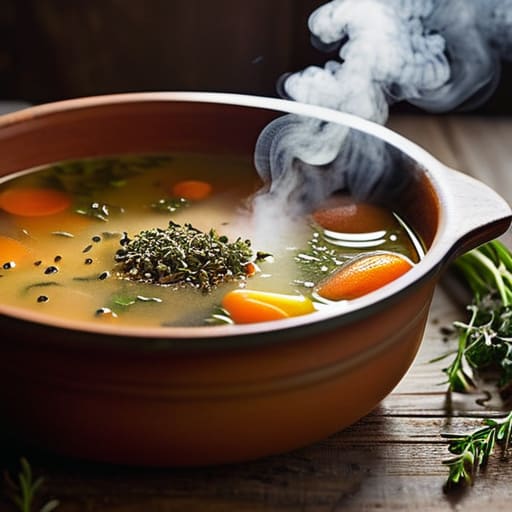
At the end of the day, making a great soup isn’t about following a rigid, intimidating recipe to the letter; it’s about understanding the basic building blocks. Once you’ve mastered the choice between a rich, deep stock and a lighter broth, and you’ve learned how to layer those essential seasonings to create depth, you’re no longer just following instructions—you’re actually cooking. Whether you’re throwing together a quick vegetable medley on a hectic Tuesday or spending a slow Sunday simmering a complex stew, remember that the most important elements are the foundation and the flavor profile. Don’t be afraid to trust your palate and tweak the seasonings until it feels just right for you.
I know that when life feels a little overwhelming, the idea of standing over a stove can feel like just one more thing on your to-do list. But I promise you, there is something so incredibly grounding about the rhythmic chopping of vegetables and the gentle bubbling of a pot. Soup is more than just fuel; it’s a way to reclaim a moment of calm in the middle of your chaos. So, grab your favorite pot, put on some music, and let the aroma fill your kitchen. You’ve got this, and I can’t wait to hear what delicious combinations you come up with!
Frequently Asked Questions
Is it actually worth the extra time to make my own stock from scratch, or can I just grab a carton from the store and call it a day?
Look, I’m all about efficiency—my color-coded spreadsheets wouldn’t let me lie—so here’s the real talk: if you’re having a chaotic Tuesday, just grab the carton. Life is too short for unnecessary stress! But, if you have a slow Sunday and some veggie scraps sitting in the fridge, making your own is a game-changer. The depth of flavor is incomparable, and it turns “scraps” into liquid gold. It’s a small shift with a massive payoff.
How do I keep my veggies from turning into complete mush while the rest of the soup is simmering?
Oh, the dreaded veggie mush! I’ve definitely been there—one minute you have vibrant carrots, and the next, it’s a sad, orange sludge. My golden rule? Timing is everything. Think of your vegetables in stages. Toss your hearty stuff like potatoes or carrots in early, but wait until the last 10–15 minutes to add the delicate ones like zucchini or spinach. It’s all about that staggered entry to keep every bite perfectly textured!
If I accidentally end up with a soup that's way too salty, is there a quick fix that doesn't involve starting all over again?
Oh no, the dreaded salt bomb! Don’t panic—I’ve definitely been there (usually while trying a new recipe after a long workday). Before you toss the whole pot, try adding a peeled, halved potato; it acts like a little sponge for excess salt. If that doesn’t quite do it, adding a splash of acid, like lemon juice or vinegar, can help balance the flavors. Think of it as a quick pivot rather than a failure!