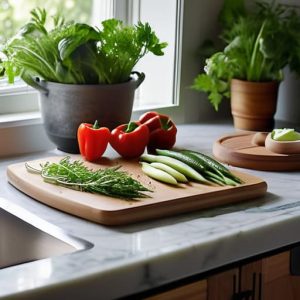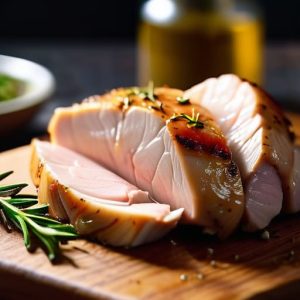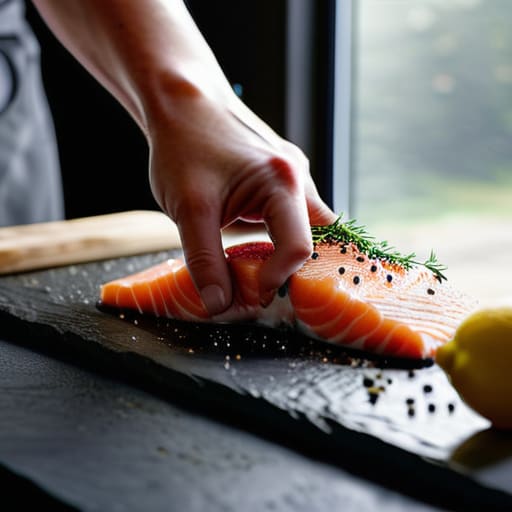
I still remember the first time I tried to impress some friends with a fancy salmon fillet back in my corporate days; I had spent way too much money on “gourmet” ingredients and ended up with something that had the texture of a dry sponge. It was a total disaster, and honestly, it’s exactly why so many people avoid the seafood aisle entirely. There is this massive, unnecessary myth that learning how to cook fish requires a culinary degree or a kitchen full of expensive gadgets, but that’s just plain wrong. Most of the time, the “complexity” we’re sold is just a way to make a simple protein feel intimidating, when it really shouldn’t be.
I’m not here to give you a lecture on molecular gastronomy or demand you buy a sous-vide machine. Instead, I want to share the small, practical shifts that actually work in a real, busy kitchen. I’m going to walk you through the stress-free basics—from picking the right piece at the market to mastering heat control—so you can stop fearing the pan. My goal is to help you master the art of delicious, healthy meals without the unnecessary chaos.
Table of Contents
- Mastering Pan Searing Techniques for Fillets Without the Stress
- The Best Way to Season Seafood for Maximum Flavor
- Five Little Secrets to Perfect Fish Every Single Time
- Quick Wins for Your Next Seafood Night
- Finding Your Flow in the Kitchen
- From Kitchen Chaos to Culinary Confidence
- Frequently Asked Questions
Mastering Pan Searing Techniques for Fillets Without the Stress
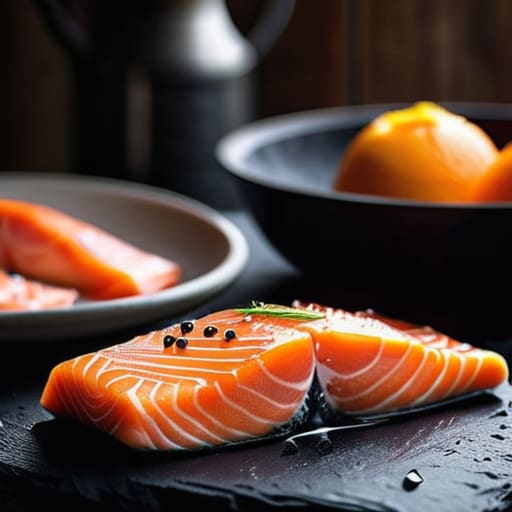
If you’ve ever stared at a beautiful piece of salmon and felt a sudden wave of panic about it sticking to your skillet, please know you aren’t alone. I used to be the same way! The secret to mastering pan searing techniques for fillets actually starts before you even turn on the stove. First, make sure your fish is patted completely dry with a paper towel. Any excess moisture is basically an invitation for steam, which is the enemy of that gorgeous, golden-brown crust we’re all chasing.
Once your pan is nice and hot with a bit of oil, gently lay the fillet in—away from you, to avoid any unexpected splatters! A pro tip for preventing fish from sticking to pan is to simply leave it alone for a few minutes. I know, it’s tempting to poke at it, but that fillet needs time to develop its crust; it will actually “release” itself from the pan once it’s ready to flip. If you feel resistance, just give it another minute. Trust the process, keep your cool, and you’ll be a kitchen pro in no time!
The Best Way to Season Seafood for Maximum Flavor
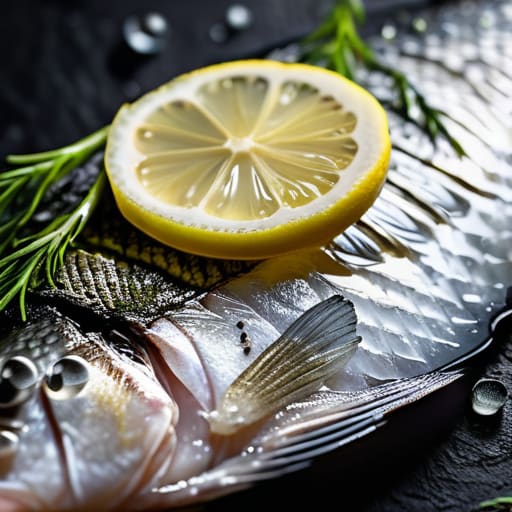
Now, let’s talk about the magic part: the flavor. If you ask me, the best way to season seafood isn’t about burying it under a mountain of heavy spices; it’s about celebrating what’s already there. I’m a firm believer in the “less is more” approach. Start with a generous sprinkle of flaky sea salt and some freshly cracked black pepper right before it hits the heat. If you’re working with something delicate like sea bass, maybe just a squeeze of lemon and some fresh dill. If you’re feeling a bit more adventurous—like when I’m experimenting with a spicy Thai-inspired dish—a little chili flakes or ginger can go a long way.
One little pro-tip from my own kitchen trials: always pat your fillets bone-dry with a paper towel before adding your seasonings. Moisture is the enemy of a good crust! If the surface is damp, you’ll end up steaming the fish instead of getting that gorgeous sear we talked about earlier. Once you’ve got your seasoning dialed in, you’re well on your way to a restaurant-quality meal right in your own kitchen.
Five Little Secrets to Perfect Fish Every Single Time
- Trust your eyes, not just the timer. I used to be a total slave to the kitchen clock, but fish is so temperamental that a minute can be the difference between flaky perfection and a rubbery mess. Give it a gentle poke or check if it just starts to flake easily with a fork—that’s your real cue to pull it off the heat.
- Dry, dry, dry! If you want that gorgeous, golden crust we talked about in the searing section, you have to pat those fillets bone-dry with a paper towel before they hit the pan. Any lingering moisture is just going to create steam, and steam is the enemy of a good sear.
- Don’t be afraid of a little fat. Whether you’re using olive oil, butter, or even a bit of ghee, a little extra fat helps distribute the heat evenly and keeps things from sticking. I personally love finishing a pan-seared fillet with a knob of butter and some fresh herbs for that extra bit of luxury.
- Let it rest (just a little!). Just like a good steak, fish benefits from a moment of peace after it leaves the heat. Give it a minute or two on a warm plate; it allows the juices to redistribute so every bite is incredibly moist instead of drying out the moment you take a bite.
- Keep it simple with your sides. When you’re working with a delicate protein like fish, you don’t want a heavy, overwhelming meal to drown out the flavor. I usually stick to something bright and acidic, like a crisp lemon-dressed arugula salad or some roasted seasonal veggies, to keep the whole plate feeling balanced and light.
Quick Wins for Your Next Seafood Night
Keep it simple with your seasoning; a little salt, pepper, and maybe a squeeze of lemon can do wonders without making the dish feel overly complicated.
Watch your heat like a hawk—mastering that pan sear is all about finding that sweet spot so you get a crispy crust without the stress of overcooking.
Don’t be afraid to experiment! Cooking is way more fun when you treat it like a creative project rather than a rigid set of rules.
Finding Your Flow in the Kitchen
“Cooking fish shouldn’t feel like a high-stakes chemistry exam; once you stop overthinking the variables and start trusting your senses, it becomes one of the most rewarding, simple ways to nourish yourself.”
Emily Carter
From Kitchen Chaos to Culinary Confidence
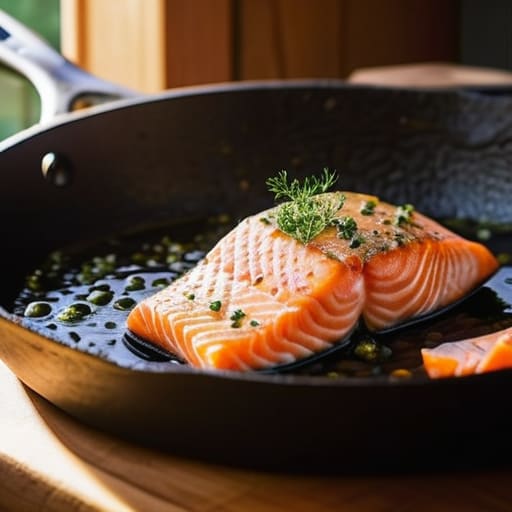
At the end of the day, mastering fish doesn’t require a culinary degree or a kitchen full of fancy gadgets. We’ve covered how to nail that perfect, golden sear without the stress and how to layer flavors so your seafood actually sings on the plate. Remember, it’s all about the basics: getting your pan hot enough, being gentle with those delicate fillets, and not being afraid to season with intention. Once you move past the initial intimidation factor, you’ll realize that cooking fish is less about following rigid rules and more about trusting your senses and paying attention to those little cues from the pan.
I know that stepping into the kitchen can sometimes feel like another overwhelming task on an already overflowing to-do list, but I promise you, it is so worth it. Whether you’re trying to eat a bit healthier or just want to impress someone with a simple, delicious meal, don’t let the fear of a little mess hold you back. Every time you try a new recipe, you’re making a small, positive shift toward a more fulfilling and creative lifestyle. So, grab a fillet, turn up some music, and enjoy the process—you’ve totally got this!
Frequently Asked Questions
How do I tell if my fish is actually done without overcooking it and turning it into a rubbery mess?
The “rubbery mess” struggle is so real—trust me, I’ve been there! The best way to avoid it is to stop relying on a timer and start using your senses. Gently press the fillet with a fork; if it flakes easily along the natural lines, it’s ready. You can also look for the flesh to turn from translucent to opaque. If you’re a data person like me, a meat thermometer is your best friend for total precision!
Is it worth buying frozen fillets, or should I always try to find something fresh at the market?
Honestly, this is the million-dollar question! If you’re looking for that “just caught” experience, nothing beats a trip to the local market. But between you and me? Frozen fillets are a total lifesaver for busy weeknights. As long as you’re buying high-quality, individually frozen pieces and thawing them properly in the fridge, they’re incredibly convenient and often just as delicious. Don’t let the “frozen” label intimidate you—it’s a total productivity win!
What are some easy, go-to side dishes that won't make my kitchen feel like a disaster zone?
Keep it simple so you can actually enjoy your meal! I’m a huge fan of the “one-pan wonder” approach. Roasted asparagus with a squeeze of lemon or a quick couscous salad are my absolute lifesavers—minimal prep, minimal dishes. If you’re feeling fancy, a simple smashed cucumber salad adds that refreshing crunch without much effort. Honestly, the goal is to complement your fish, not turn your kitchen into a battlefield!