I used to think that “eating healthy” meant staring down a sad, wilted pile of iceberg lettuce and praying for a miracle. During my corporate consulting days in NYC, my lunch was often a depressing, soggy afterthought that I’d shove into my face between back-to-back meetings just to survive. I’ve seen all the influencers claiming you need $20 organic microgreens and hand-foraged edible flowers to enjoy a meal, but let’s be real: that is a total scam. If you’re looking for how to make salad interesting without spending your entire grocery budget or an hour in the kitchen, you’re in the right place.
I’m not here to give you a list of complicated, gourmet recipes that require a culinary degree. Instead, I want to share the small, practical shifts I’ve learned from years of experimenting in my own kitchen—the kind of tweaks that actually work when you’re busy. We’re going to talk about texture, acidity, and those tiny flavor bombs that turn a boring bowl of greens into something you’ll actually crave. Let’s ditch the boredom and make lunch the best part of your day.
Table of Contents
Mastering Flavor Balancing in Salads With Ease
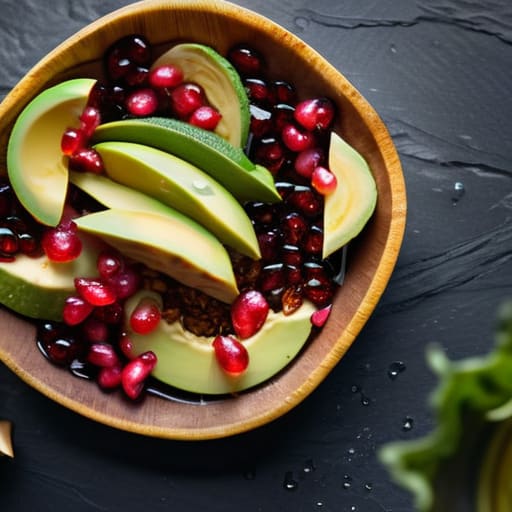
If you’ve ever stared down a bowl of wilted lettuce and felt nothing but sadness, the culprit is likely a lack of equilibrium. To truly master flavor balancing in salads, you need to think like a chef—or at least like someone who isn’t afraid to experiment in the kitchen. I always follow a mental checklist: you need something bright (acid), something savory (salt/umami), and something to bridge the gap (fat). If your bowl feels flat, a quick squeeze of lemon or a splash of balsamic can be the difference between a chore and a treat.
Don’t forget that mouthfeel is just as important as taste! I’m a huge advocate for adding texture to salads to keep your palate engaged. This means moving beyond just “crunchy croutons” and looking toward seasonal salad ingredients like roasted chickpeas, toasted sunflower seeds, or even thinly sliced radishes. When you layer different densities and crispness levels, you transform a simple side dish into something that actually feels substantial and satisfying. It’s all about those tiny, intentional layers.
Whisking Up Joyful Homemade Salad Dressing Recipes
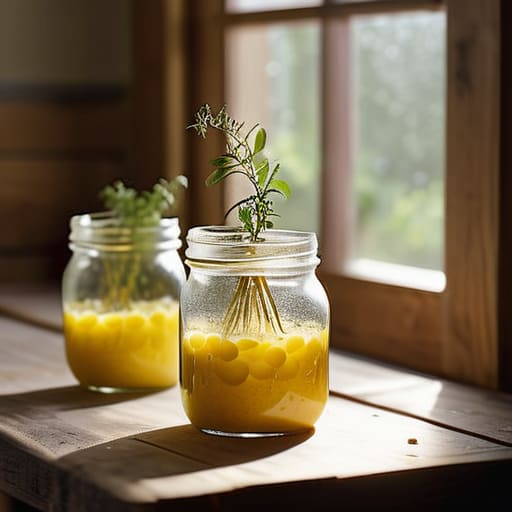
If there is one thing my corporate consulting days taught me, it’s that a lack of preparation is usually the culprit behind a midday slump. When it comes to salads, relying on those bottled, preservative-heavy dressings is a total momentum killer. Instead, I’ve started dedicating a little time on Sunday afternoons to whisking up a few batches of my favorite salad dressing recipes. There is something so incredibly satisfying about the ritual—the sound of the whisk against the glass jar and the smell of fresh lemon or Dijon mustard hitting the air. It turns a chore into a tiny, creative ritual.
I usually keep a simple lemon-tahini vinaigrette and a balsamic glaze on hand, which makes it effortless to elevate even the most basic bowl of greens. The real secret, though, is how a homemade dressing acts as the glue that brings all your seasonal salad ingredients together. Whether you’re tossing in some roasted sweet potatoes or crisp autumn apples, a well-made dressing ensures every bite feels intentional rather than just a pile of leaves. Trust me, once you make the switch, you’ll never go back to the store-bought stuff again!
The Secret Sauce: 5 Ways to Level Up Your Salad Game
- Texture is your best friend. If everything in your bowl is soft, you’re going to get bored fast. I’m talking about adding a serious crunch—think toasted pumpkin seeds, crispy chickpeas, or even some crushed pita chips. That little bit of resistance when you bite down makes the whole experience so much more satisfying.
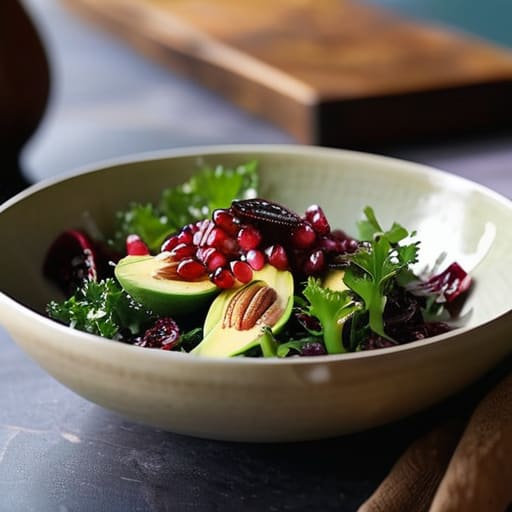
- Don’t be afraid of the “weird” fruit. I love throwing some sliced strawberries, pomegranate seeds, or even diced mango into my greens. The sweetness cuts right through the acidity of a vinaigrette and makes the salad feel more like a curated dish rather than just a side order.
- Go heavy on the herbs. Instead of treating parsley or mint as a tiny garnish that disappears into the bowl, treat them like a leafy green! Tossing in a handful of fresh basil or cilantro adds a massive punch of freshness that makes a basic salad taste incredibly high-end.
- Play with temperature. This sounds a little wild, but I love adding something warm to my cold greens. Whether it’s roasted sweet potatoes, warm quinoa, or even some sautéed mushrooms, that contrast between hot and cold is an absolute game-changer for your palate.
- The “Crunchy Topper” Rule. Always keep a jar of something interesting in your pantry—sunflower seeds, sliced almonds, or even those spicy candied pecans. Sprinkling a handful on top right before you eat adds that final layer of “wow” that makes you actually look forward to lunch.
My Golden Rules for Salad Success
Texture is your best friend; always aim for a mix of something crunchy, something creamy, and something fresh to keep your palate from getting bored.
Stop playing it safe with seasonings—don’t be afraid to lean into bold spices or a little bit of heat to give your greens some real personality.
Think of your dressing as the glue that holds everything together, so always dress your greens right before eating to avoid that sad, soggy mess we all dread.
## The Secret to a Salad That Actually Satisfies
“A great salad shouldn’t feel like a chore or a punishment for your fitness goals; it should feel like a tiny, crunchy celebration in a bowl. It’s all about those unexpected little pops of texture and flavor that turn a sad pile of lettuce into something you’re actually excited to eat.”
Emily Carter
Bringing the Flavor Home
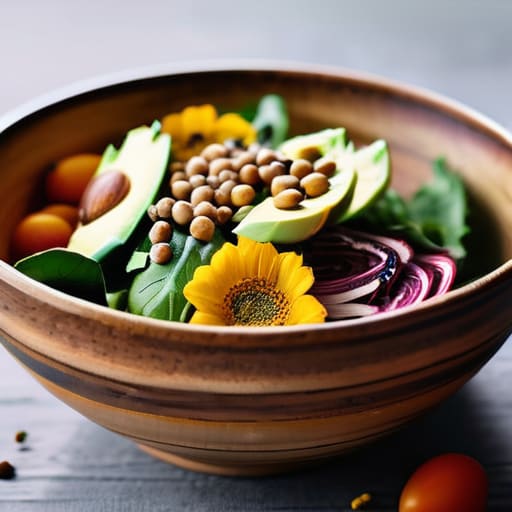
At the end of the day, making a salad interesting isn’t about following a rigid recipe or buying the most expensive organic microgreens on the market. It’s really about understanding how to play with textures and, most importantly, how to balance those fundamental flavors—acid, fat, salt, and crunch. Whether you’re whisking up a quick lemon-tahini dressing or experimenting with a handful of toasted sunflower seeds to add some much-needed bite, remember that you are the chef here. Don’t be afraid to ditch the predictable iceberg lettuce and start treating your salad bowl like a tiny, delicious canvas for your creativity.
I know that when life gets chaotic—and let’s be real, my color-coded spreadsheets can only do so much to keep the madness at bay—the last thing you want to do is overcomplicate your lunch. But I truly believe that these small, intentional shifts in how we eat can change our entire midday vibe. Instead of viewing a salad as a chore or a “diet food” necessity, try to see it as a small moment of magic in your busy schedule. You deserve a meal that actually makes you feel excited to sit down at the table. So, go ahead, grab that whisk, and let’s make something wonderful!
Frequently Asked Questions
I’m always running low on groceries—can I still make a great salad if I only have a few random veggies left in the fridge?
Oh, I have been there more times than I’d like to admit! Honestly, some of my favorite “fridge raid” salads happen when I’m down to the bare essentials. Don’t panic—it’s all about texture and punchy flavors. If you’ve only got a limp carrot and half an onion, roast them to bring out that sweetness, or quick-pickle them in some vinegar. Add a handful of nuts or some feta, and suddenly, it’s a gourmet meal!
Does it actually matter if I prep my ingredients ahead of time, or will everything just get soggy by lunchtime?
Oh, the dreaded soggy salad! I used to be a victim of this every single day until I started color-coding my meal prep strategy. It absolutely matters, but there’s a trick to it. Think of your salad in layers: keep the heavy, wet stuff like cucumbers or tomatoes at the bottom, and save the delicate greens and dressings for the very last second. Prep your veggies ahead of time, but keep the “wet” elements separate to stay crunchy!
I'm not a huge fan of bitter greens; are there any beginner-friendly bases that won't make me feel like I'm eating grass?
Oh, I totally hear you! I used to think “eating healthy” meant chewing on bitter arugula until my face scrunched up, too. If you want to avoid that “eating grass” feeling, start with butter lettuce or romaine—they’re crunchy, mild, and super approachable. For something a bit more nutrient-dense but still sweet, try baby spinach or even a little bit of shredded kale (if you massage it with oil first!). It makes a world of difference.