I used to think that “eating well” and “saving money” were two parallel lines that could never, ever meet. Back when I was first navigating the high cost of living in NYC after college, I fell into the trap of thinking that if I wasn’t buying organic, artisanal, pre-washed kale, I wasn’t actually cooking. I spent way too much time staring at my bank statement, wondering how to cook on a budget without feeling like I was punishing myself with nothing but plain white rice and sadness. It felt like every “budget hack” online required a PhD in culinary school or a pantry stocked with expensive specialty spices I’d use exactly once.
But here’s the truth: you don’t need a massive grocery haul or a gourmet kitchen to eat like royalty. I’ve spent years refining a system—and yes, a few very detailed, color-coded spreadsheets—to prove that small, intentional shifts can make a massive difference in your wallet and your well-being. In this guide, I’m skipping the fluff and sharing the real-world strategies I use to turn simple, affordable ingredients into meals that actually taste incredible. We’re going to reclaim your kitchen and your finances, one delicious bite at a time.
Table of Contents
- Mastering Grocery Shopping on a Budget With Ease
- Building Your Collection of Affordable Pantry Staples
- Five Simple Ways to Keep Your Kitchen Joyful (and Your Bank Account Happy)
- My Top Tips for Keeping Your Kitchen (and Your Wallet) Happy
- The Secret to Stress-Free Cooking
- Making it Your Own
- Frequently Asked Questions
Mastering Grocery Shopping on a Budget With Ease
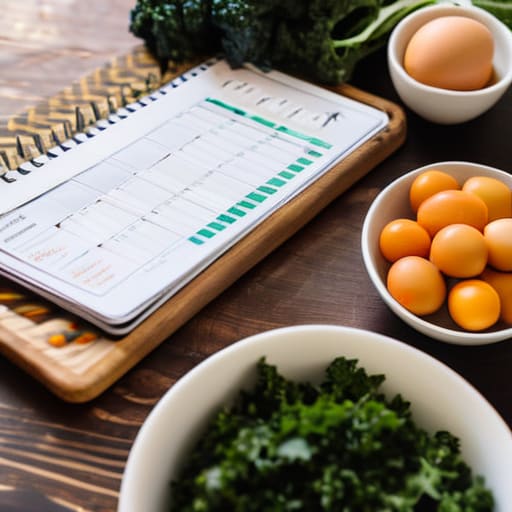
If there is one thing my color-coded spreadsheets have taught me, it’s that the real battle for your wallet isn’t fought at the stove—it’s fought in the grocery aisles. We’ve all been there: wandering aimlessly past the artisanal cheeses, feeling that sudden impulse to grab everything that looks “good for once,” only to face sticker shock at the checkout. To avoid this, I’ve found that meal planning for savings is a total game-changer. Instead of letting the store dictate your menu, decide what you’re eating before you even step through the sliding doors. It turns a chaotic scavenger hunt into a targeted mission.
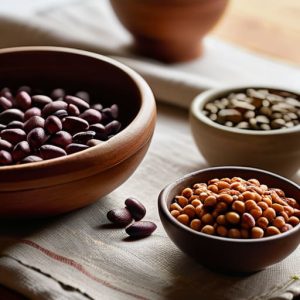
Once you have your list, focus on building a foundation of affordable pantry staples like lentils, quinoa, and canned tomatoes. These are the unsung heroes of a well-managed kitchen; they are incredibly versatile and much cheaper than pre-packaged convenience meals. I also swear by a “shop your pantry first” rule. Before heading out, I check what I already have to ensure I’m not accidentally buying a third jar of cumin. This simple habit is one of my favorite reducing food waste tips because it keeps your spending intentional and your kitchen clutter-free.
Building Your Collection of Affordable Pantry Staples
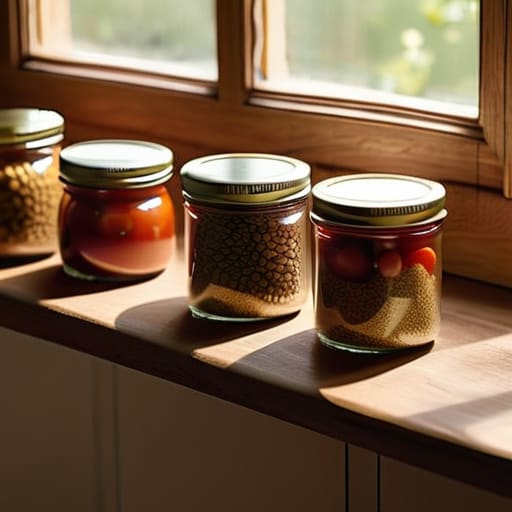
Once you’ve mastered the art of the grocery run, it’s time to focus on the foundation of every great meal: your kitchen cabinets. I’m a huge believer in building a library of affordable pantry staples that act as your culinary safety net. Think of items like dried lentils, quinoa, canned tomatoes, and various spices as your “productivity tools” for cooking. When you have these on hand, you aren’t just saving money; you’re eliminating that mid-week panic when you stare into a seemingly empty fridge and think, “What on earth am I going to eat?”
The real magic happens when you start connecting these dots through meal planning for savings. Instead of buying expensive, pre-packaged kits, you can use your base ingredients to pivot between different flavors. One night it’s a comforting lentil stew, and the next, it’s a spicy Mediterranean grain bowl. By investing in these versatile basics, you’re essentially future-proofing your kitchen, making it much easier to whip up something delicious without breaking the bank or adding extra stress to your schedule.
Five Simple Ways to Keep Your Kitchen Joyful (and Your Bank Account Happy)
- Embrace the magic of “Meatless Mondays” (or any day, really!). I used to think a meal wasn’t a meal without a massive steak, but I’ve learned that lentils, chickpeas, and black beans are absolute superstars. They’re incredibly cheap, packed with protein, and they’re the perfect canvas for all those spices I love to experiment with.
- Get cozy with your freezer. Seriously, don’t sleep on frozen veggies! They’re often just as nutritious as the fresh stuff, but they won’t wilt in your crisper drawer and remind you of your failed grocery list three days later. Plus, they’re perfect for when I’m having one of those “I just want to cook something quick” nights.
- Master the art of the “Kitchen Sink” meal. Once a week, I look at whatever random bits are left in my fridge—that half-jar of salsa, the lonely bell pepper, the leftover roasted potatoes—and I turn it into a stir-fry, a frittata, or a grain bowl. It’s like a little weekly puzzle that keeps food waste (and costs) at a minimum.
- Don’t be afraid to go “semi-homemade.” If you’re having a chaotic Tuesday, there is zero shame in grabbing a rotisserie chicken and a bag of pre-washed salad. It’s much cheaper than ordering takeout, and it saves your sanity when your productivity levels are hitting a wall.
- Cook once, eat twice (or even thrice!). I’m a huge fan of “batch cooking” my grains or proteins on a Sunday. If I make a big pot of quinoa or roast a tray of sweet potatoes, I can easily toss them into different meals throughout the week. It’s like giving your future self a little gift of extra time and less decision fatigue.
My Top Tips for Keeping Your Kitchen (and Your Wallet) Happy
Think of your pantry as your secret weapon; by building a solid foundation of versatile staples, you’ll always have the “building blocks” to whip up a meal without a last-minute, expensive grocery run.
Stop letting grocery store chaos dictate your budget—approaching your shopping with a quick plan (and maybe a color-coded list, if you’re anything like me!) is the easiest way to avoid those impulse buys that eat away at your savings.
Remember that delicious food doesn’t have to be expensive; it’s all about making those small, intentional shifts in how you shop and prep so you can enjoy amazing meals without the financial stress.
The Secret to Stress-Free Cooking
“Cooking on a budget isn’t about deprivation or settling for bland meals; it’s about getting creative with what you already have and realizing that a little bit of planning can turn a handful of pantry staples into a feast that actually feels like a treat.”
Emily Carter
Making it Your Own
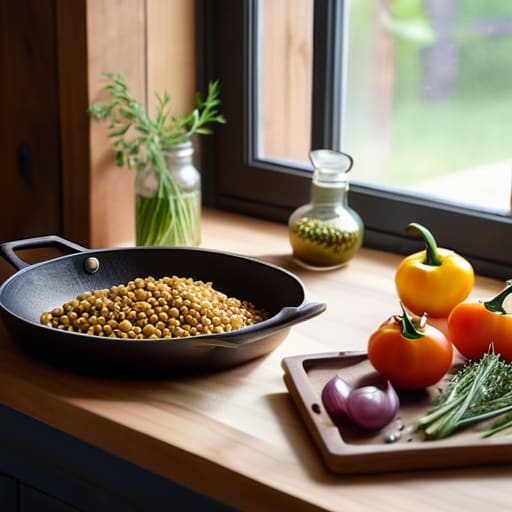
At the end of the day, cooking on a budget isn’t about restriction or eating boring, repetitive meals; it’s about being a little more intentional with what you bring into your kitchen. We’ve talked about how mastering your grocery list can stop those impulse buys in their tracks, and how building a solid foundation of pantry staples gives you the freedom to get creative without breaking the bank. When you combine smart shopping with a well-stocked cupboard, you aren’t just saving money—you’re actually building a sustainable system that works for your lifestyle, rather than against it.
I know that shifting your habits can feel a bit overwhelming at first (trust me, I’ve spent way too many hours staring at my color-coded grocery spreadsheets trying to find the perfect balance!), but remember that progress is better than perfection. Start with just one or two of these small shifts this week. Maybe it’s trying a new way to use those lentils in your pantry or sticking strictly to a list during your next supermarket run. You’ll be surprised at how much joy and calm you can find in the kitchen when you stop fighting the chaos and start embracing the process. You’ve got this!
Frequently Asked Questions
How do I make sure I'm still getting enough protein and nutrients if I'm relying heavily on cheaper staples like beans and grains?
I totally get it—the fear of “nutritional boredom” or missing out on essential nutrients is real! To keep things balanced, I love playing the “pairing game.” Combine your grains with legumes (like rice and beans) to unlock complete proteins, and don’t forget the frozen veggie aisle! Frozen spinach or peas are super affordable and packed with vitamins. It’s all about those tiny, strategic additions that keep your body fueled and your budget intact.
Is it actually cheaper to buy in bulk, or am I just spending more money upfront for things that might go to waste?
It’s a total trap if you aren’t careful! I used to think a giant bag of quinoa was a “win” until I realized I was just storing expensive dust in my pantry. Bulk buying is a massive win for non-perishables—think rice, beans, or olive oil—but for everything else, stick to your list. If it’s going to expire before you finish it, you aren’t saving money; you’re just donating to the landfill.
I love trying new recipes, but how can I experiment with different flavors without constantly buying expensive, niche spices?
I totally get this—my kitchen is usually a chaotic lab of experimental flavors! My secret? Don’t buy the $12 jar of a spice you’ll use once. Instead, focus on “flavor profiles.” If a recipe calls for something niche, see if you can mimic the vibe using what you have. For example, a splash of soy sauce and a pinch of ginger can often do the heavy lifting of more complex Asian aromatics. It’s all about those clever, small substitutions!