
Ever stood in the grocery aisle at 6:00 PM, staring at twenty different brands of pasta sauce like your entire life depended on the choice, only to end up crying a little bit inside? I’ve been there. Last Tuesday, I found myself paralyzed by the simple task of choosing a Netflix documentary, even though I had already spent my entire day navigating high-stakes client calls and color-coding my meal prep spreadsheets. That heavy, foggy feeling in your brain isn’t just “being tired”—it’s decision fatigue setting in, and it is a total productivity killer.
I’m not here to sell you on some expensive, life-altering productivity system or a complex 12-step morning ritual that requires more decisions just to execute. Instead, I want to share the small, practical shifts that actually worked for me when I transitioned from the corporate grind to freelance life. We’re going to look at how to automate the boring stuff and protect your mental energy so you can stop wasting it on things that don’t matter. Let’s reclaim your brain, one tiny adjustment at a time.
Table of Contents
Recognizing the Subtle Signs of Mental Exhaustion Symptoms

So, how do you actually know when you’ve crossed the line from “just a little tired” to full-on mental burnout? It’s rarely a sudden crash; instead, it’s more like a slow leak in a tire. You might notice that simple tasks, like deciding what to cook for dinner or even picking a Netflix show, suddenly feel like climbing Mount Everest. This is a classic sign of executive function depletion, where your brain’s command center just starts throwing error messages because it’s overwhelmed.
I used to think I was just being “indecisive,” but looking back, I was actually experiencing the heavy weight of cognitive load management gone wrong. You might find yourself staring at a grocery shelf for ten minutes, completely stuck, or snapping at a loved one because they asked a simple question. These mental exhaustion symptoms are your brain’s way of waving a white flag. If you feel like your brain is running through molasses by 3:00 PM, trust that instinct—it’s not laziness, it’s a signal that your internal battery is hitting zero.
How Executive Function Depletion Steals Your Daily Joy

Have you ever sat on your kitchen floor, staring at a box of pasta, feeling like you were being asked to solve a complex calculus equation just to decide on a sauce? That’s not laziness; it’s executive function depletion in real-time. When your brain’s “command center” runs low on fuel, the simplest tasks start feeling like mountain climbs. It’s not just about being tired; it’s that heavy, foggy sensation where even choosing which socks to wear feels like a monumental life decision.
This mental drain acts like a thief in the night, quietly stealing the parts of your day that actually bring you pleasure. Instead of enjoying that sunset or a delicious meal I spent an hour prepping, you’re stuck in a loop of choice paralysis. You end up scrolling aimlessly on your phone because your brain simply lacks the bandwidth to engage with anything meaningful. When we ignore the psychology of willpower and let our mental battery hit zero, we aren’t just losing productivity—we’re losing the ability to actually experience our lives.
Five Tiny Shifts to Save Your Brainpower
- Automate your morning routine so you don’t have to think. I’m talking about picking out your outfit the night before and having your coffee setup ready to go. If I didn’t have a color-coded system for my meal prep, I’d probably spend forty minutes every morning just staring blankly at my fridge.
- Embrace the “uniform” method for your wardrobe. You don’t need a different look every day! Finding a few go-to combinations that make you feel confident takes the guesswork out of getting dressed, leaving more mental energy for the big stuff at work.
- Limit your daily “micro-decisions” by batching tasks. Instead of deciding what to cook every single night, try picking three or four meals on Sunday and sticking to them. It’s a total game-changer for preventing that 6:00 PM “I’m too tired to even think about dinner” meltdown.
- Use the “Two-Minute Rule” for small choices. If a decision is tiny—like whether to reply to a quick text or file a receipt—just do it immediately. Letting those little things pile up in the back of your mind is like having twenty browser tabs open at once; eventually, your system is going to crash.
- Set a “Decision Deadline” for non-urgent matters. If you’re stuck in a loop of overthinking something like which vacuum to buy or which book to read next, give yourself a hard cutoff. Once the timer hits, you pick the first decent option and move on. Trust me, your peace of mind is worth way more than the “perfect” choice.
Quick Wins for Your Brain
Start treating your mental energy like a finite budget; save your “big spend” decisions for your peak morning hours and leave the easy stuff, like picking an outfit or deciding on dinner, for when you’re running low.
Automate the boring bits of your life through tiny rituals or pre-set routines—I swear by my color-coded meal prep spreadsheets for this—so you aren’t wasting precious brainpower on repetitive tasks.
Give yourself permission to hit the pause button; when the mental fog rolls in, a quick ten-minute walk or a moment of actual silence can do wonders to reset your cognitive battery before you make a choice you might regret.
The Hidden Cost of Constant Choices
“Decision fatigue isn’t just about feeling tired; it’s that heavy, foggy sensation where even choosing what to have for dinner feels like solving a complex calculus equation. We aren’t running out of time; we’re running out of the mental bandwidth required to actually enjoy our lives.”
Emily Carter
Taking Back Your Mental Energy
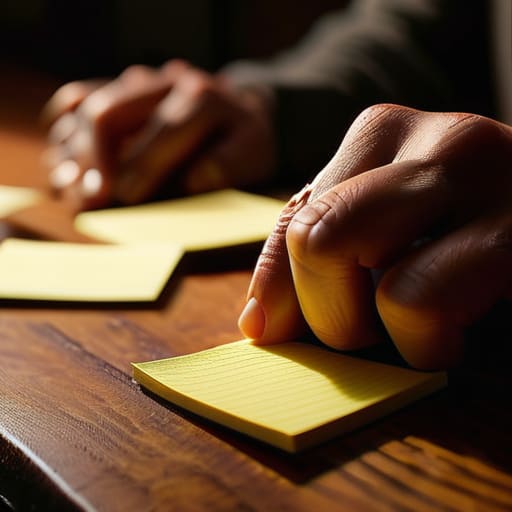
At the end of the day, beating decision fatigue isn’t about becoming a productivity robot or perfecting every single minute of your schedule. It’s about recognizing those sneaky signs of mental exhaustion and understanding how much your executive function actually matters to your happiness. Whether you decide to start batching your meal prep on Sundays (which, trust me, is a total game-changer for my mid-week sanity) or simply start automating those tiny, repetitive choices, the goal is to stop the slow leak of your mental energy. By making these small, intentional shifts, you’re not just being more efficient; you’re actively protecting your brain from the burnout that comes from a thousand tiny, unnecessary choices.
I know how overwhelming it feels when the chaos of life seems to be winning, but please remember that you don’t have to fix everything all at once. My color-coded spreadsheets might make my life feel a little more organized, but even I have days where I just need to opt out of making any more decisions until tomorrow. Be kind to yourself as you navigate these changes. You deserve to have enough mental bandwidth left at 6:00 PM to actually enjoy your dinner and your evening. You’ve got this, and I’m right here cheering you on as you reclaim your peace, one small choice at a time.
Frequently Asked Questions
Is there a way to tell the difference between just being tired and actual decision fatigue?
Honestly, I used to confuse the two all the time! Here’s the distinction I’ve found: physical tiredness is that “I need a nap or a heavy meal” feeling in your body. But decision fatigue? That’s purely mental friction. It’s when you’re physically fine, but even choosing what to watch on Netflix feels like climbing Everest. If your brain is saying “I can’t make one more choice” while your body is still caffeinated, that’s decision fatigue.
Can I fix this by using more productivity apps, or will that just add more decisions to my plate?
Oh, I’ve been there! Honestly, I used to think a new app was the magic fix, but I ended up with a color-coded mess of notifications that just made my brain itch. If you’re adding tools just to “organize,” you’re likely just adding more decisions to your plate. Use apps to automate, not to complicate. If a tool doesn’t simplify your life within two clicks, it’s probably just more digital clutter.
Are there any quick "emergency" hacks for when I'm already in the middle of a decision-making meltdown?
Oh, I have been there—staring at a menu for twenty minutes like it’s a complex calculus equation. When you’re mid-meltdown, stop. Seriously. Step away from the screen or the choice. Grab a glass of water, do a quick five-minute stretch, or even just step outside. Giving your brain a literal “reset button” breaks the loop. If you must decide right now, flip a coin. It’s not about the coin; it’s about breaking the paralysis.