I used to think that mastering the kitchen required expensive copper pans and a culinary degree, but honestly? That’s just a recipe for burnout. Back when I was grinding away in corporate consulting, I’d come home exhausted, staring at a carton of eggs and feeling like I just couldn’t handle one more complex task. I realized that most of the “expert” advice out there on how to cook eggs is way too high-maintenance for someone who actually has a life to live. We don’t need a ten-step gourmet ritual; we just need a breakfast that doesn’t taste like a rubbery mistake.
My goal here isn’t to turn you into a Michelin-star chef, but to give you the practical shortcuts that actually work when you’re running on four hours of sleep. I’m going to break down the essential techniques through the lens of someone who loves efficiency as much as a good meal. We’re going to skip the fluff and focus on small, repeatable wins that will make your morning routine feel a little more balanced and a lot more delicious.
Table of Contents
Mastering the Best Way to Boil Eggs
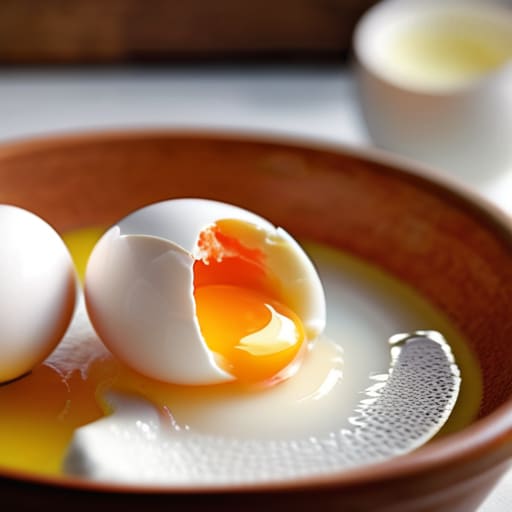
Now, let’s talk about the absolute classic: the boiled egg. If you’re like me and live for a quick, protein-packed snack while I’m diving into a new project, mastering this is a total game-changer. I used to think there was only one way to do it, but I’ve learned that the best way to boil eggs actually involves a bit of a “cold start” versus a “hot start” debate. Personally, I’m a fan of dropping them into already boiling water; it makes the shells much easier to peel, which is a huge win when you’re in a rush.
The real secret, though, lies in the timing. Since we’re playing with egg cooking temperatures, even sixty seconds can be the difference between a jammy, golden yolk and something that looks a little too much like a science experiment. Once you hit your desired firmness, immediately plunge them into an ice bath. This stops the cooking process instantly and keeps those whites from getting that weird, unappetizing gray ring. It’s a tiny bit of extra effort, but it turns a basic task into a consistent, delicious victory.
The Secret to Perfect Scrambled Egg Texture Tips
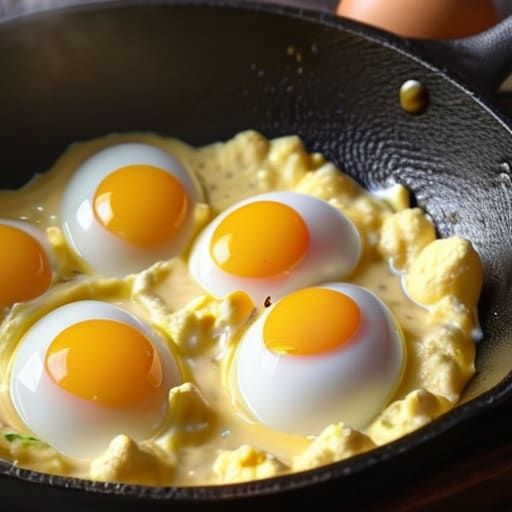
If you’ve ever ended up with scrambled eggs that felt more like rubbery sponges than a fluffy cloud, trust me—I’ve been there. In my corporate days, I used to rush through breakfast just to make it to meetings, and my eggs always suffered for it. But I’ve learned that the real magic lies in the egg cooking temperatures. The biggest mistake people make is cranking the heat to high, thinking it’ll save time. In reality, high heat causes the proteins to tighten up aggressively, squeezing out all that delicious moisture.
To get that silky, cafe-style consistency, I always recommend pulling the pan off the heat just slightly before they look finished. Residual heat will do the heavy lifting for you. I also swear by a tiny splash of heavy cream or even a dollop of crème fraîche whisked in beforehand. These little scrambled egg texture tips might seem extra, but they make a massive difference. Think of it as a small, delicious investment in your morning sanity. It’s all about that gentle, low-and-slow approach to ensure every bite is tender.
My Little Egg-Speriment Cheat Sheet: 5 Pro Tips for Success
- Don’t fear the fridge! While some people swear by room-temperature eggs, I’ve found that pulling them straight from the cold for a quick boil actually makes them way easier to peel without that annoying white film sticking to the shell.
- Invest in a timer (and no, your phone’s default alarm isn’t enough—get a dedicated one!). Precision is everything when you’re chasing that jammy yolk, and even a sixty-second mistake can turn a masterpiece into a rubbery mess.
- Treat your pan like a sanctuary. If you’re making an omelet, use a high-quality non-stick pan and don’t be afraid of a little butter; it’s not just about the flavor, it’s about making sure your hard work actually slides onto the plate.
- Season as you go, not just at the end. I love whisking a tiny pinch of salt directly into my scrambled eggs before they hit the heat—it helps break down the proteins and ensures every single bite is perfectly seasoned.
- Embrace the “ice bath” ritual. As soon as those eggs are done, plunge them into a bowl of ice water. It stops the cooking process instantly, which is the ultimate way to prevent that unappealing grey ring around your yolks.
My Cheat Sheet for Egg-Cellence
Don’t fear the heat—the secret to that velvety, restaurant-style scramble is keeping things low and slow so you don’t end up with something rubbery.
Timing is everything when boiling; use an ice bath immediately to stop the cooking process and avoid those annoying gray rings around the yolk.
Treat your eggs like a blank canvas; once you’ve mastered the basic technique, start experimenting with different fats or spices to make them your own.
The Philosophy of the Perfect Egg
“At the end of the day, mastering an egg isn’t just about following a recipe; it’s about finding that sweet spot between chaos and control—much like a well-organized spreadsheet, but way more delicious.”
Emily Carter
Bringing It All Together
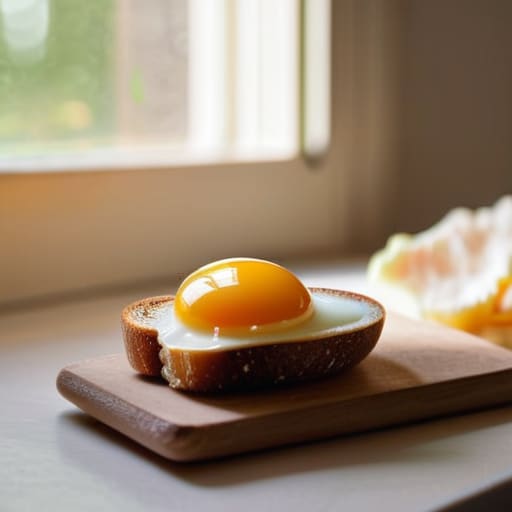
So, whether you’ve finally mastered the art of the perfectly jammy boiled egg or you’ve cracked the code on those silky, cloud-like scrambled eggs, you’re officially one step closer to breakfast bliss. Remember, the difference between a mediocre meal and a culinary win usually comes down to those tiny details—like managing your heat or timing that boil just right. I know my color-coded kitchen timers and precise little notes might seem a bit extra, but I promise that mastering these small techniques makes the whole process feel less like a chore and more like a rewarding morning ritual.
At the end of the day, don’t let the fear of a messy pan or a slightly overcooked yolk keep you from experimenting in the kitchen. Cooking is supposed to be fun, not a high-stakes corporate presentation! Use these tips as your foundation, but don’t be afraid to throw in your own twist—maybe a dash of chili oil or some fresh herbs—to make it uniquely yours. My goal is to help you find more ease in your daily routine, and I truly believe that small, intentional wins in the kitchen can set a positive, empowered tone for your entire day. Now, go grab a spatula and make something delicious!
Frequently Asked Questions
How do I know if my eggs are still fresh without cracking them open?
The Float Test is your new best friend! Honestly, I used to be so paranoid about this until I started using this simple trick. Grab a bowl of water and drop your egg in. If it sinks and lays flat on its side, you’re golden. If it stands upright on the bottom, it’s still good, just a little older. But if it floats to the top? That’s a sign to toss it. No mess, no stress!
Is there a trick to getting those stubborn eggshells to peel off easily every single time?
Ugh, the “shell struggle” is real! I used to spend half my morning picking tiny white shards out of my breakfast, and let me tell you, it was not a vibe. The secret? It’s all about the shock. As soon as those eggs hit the timer, plunge them straight into an ice bath. That sudden temperature drop helps the membrane pull away from the shell. Trust me, your sanity (and your breakfast) will thank you!
Can I prep my eggs ahead of time for a busy work week, or do they lose their magic if they aren't fresh?
Oh, I feel this in my soul! Between client deadlines and my own chaotic schedule, meal prepping is my absolute lifeline. The short answer? Yes, you can totally prep ahead! Hard-boiled eggs are basically the MVP of a busy week—just keep them in their shells in the fridge to maintain that magic. Scrambled eggs are a bit trickier since they can get rubbery, but a quick reheat can save the day. Prep smart, not hard!