I used to think that figuring out how to build a balanced meal required a PhD in nutrition or, at the very least, a kitchen stocked with expensive, exotic superfoods that cost more than my monthly internet bill. During my corporate consulting days in NYC, I’d find myself staring blankly at a wilted salad or a takeout container, feeling like I was failing a test I never even signed up for. It’s exhausting when every wellness influencer tells you that “balance” means a complicated ritual of macro-counting and rare powders, when in reality, most of us are just trying to fuel our bodies between Zoom calls and grocery runs.
I’m not here to give you a lecture or a list of restrictive rules that will make you want to hide in your pantry. Instead, I want to show you how to master the art of the plate using simple, practical shifts that actually fit into a busy life. We’re going to skip the hype and focus on a realistic framework that works for real people—no spreadsheets required (okay, maybe just a little one). By the end of this, you’ll have a foolproof method to nourish yourself without the decision fatigue.
Table of Contents
Finding Your Perfect Protein Vegetable Carbohydrate Ratio
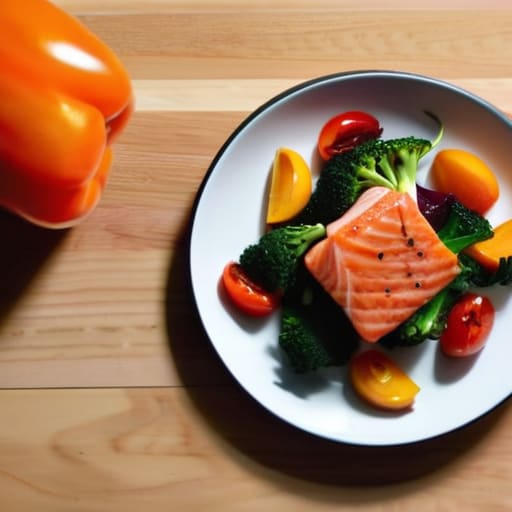
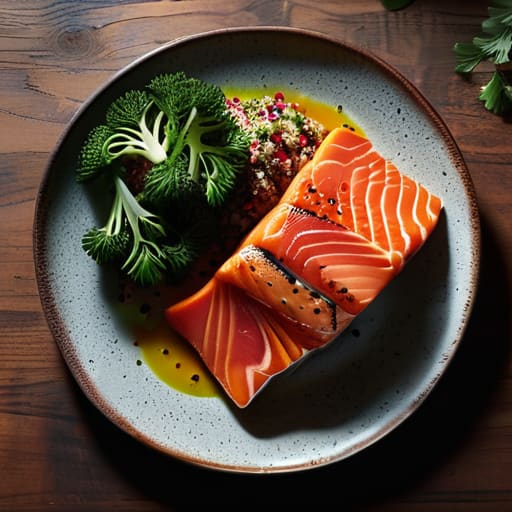
Now, let’s talk about the actual math of it all—without the headache. I know, “math” and “dinner” don’t usually hang out in the same sentence, but finding your ideal protein vegetable carbohydrate ratio is actually much more intuitive than it sounds. If you look at my color-coded meal prep spreadsheets (yes, they exist!), I don’t focus on strict calorie counting. Instead, I aim for a visual balance. I like to think of my plate as a pie chart: half should be a rainbow of veggies, a quarter goes to high-quality protein, and the final quarter is reserved for those satisfying carbs that keep our energy steady.
The trick is realizing that there isn’t a one-size-fits-all macronutrient distribution guide that works for everyone. If you’ve had a grueling workout, you might need a slightly larger slice of the carb pie to refuel. If you’re having a more sedentary afternoon, you might lean heavier on the greens. It’s all about listening to your body’s cues rather than following a rigid set of rules. Once you master these basic healthy plate proportions, you’ll find that meal planning stops feeling like a chore and starts feeling like a superpower.
Mastering Healthy Plate Proportions With Ease
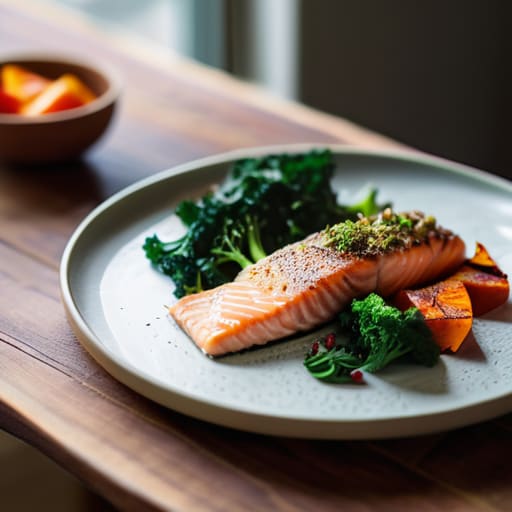
Now, I know what you’re thinking: “Emily, I’m not a scientist, and I definitely don’t have time to weigh every single blueberry.” Trust me, I get it. I used to spend hours obsessing over every gram when I was still in the corporate consulting world, but let me tell you, that is the fastest way to burn out. Instead of getting bogged down in complex math, I like to think of healthy plate proportions as a visual game rather than a math exam. If you can look at your plate and see a vibrant landscape of colors, you’re already winning.
The trick is to focus on the nutritional density of foods rather than just counting calories. I usually aim to fill half my plate with those colorful, fiber-rich veggies first, then tackle the rest. It’s such a simple way to manage portion control for healthy eating without feeling like you’re constantly under a microscope. When you prioritize the volume of your greens, you naturally leave less room for the heavy stuff, making the whole process feel effortless rather than restrictive.
My Go-To Hacks for Stress-Free Meal Building
- Don’t fear the “assembly line” method. Instead of cooking complex recipes every night, prep your components separately—like a big batch of roasted sweet potatoes, some grilled chicken, and washed greens. When hunger hits, you just grab a little of each and you’re done!
- Use the “Color Rule” to keep things interesting. If your plate is looking a little beige (looking at you, chicken and rice), toss in some sliced bell peppers or a handful of spinach. It’s a super easy way to ensure you’re getting those micronutrients without needing a nutrition degree.
- Keep a “Flavor Emergency Kit” in your pantry. Sometimes a balanced meal feels boring because it lacks soul. Having high-quality olive oil, some feta cheese, toasted seeds, or a good hot sauce on hand can transform a basic bowl into something that actually feels like a treat.
- Listen to your hunger, not just the math. While I love my spreadsheets, I’ve learned that some days my body needs a bit more healthy fat (hello, avocado!) and other days it needs more volume from veggies. Aim for balance, but leave room for what your body is actually asking for.
- Embrace the “One-Pan Wonder.” If you’re feeling low on energy, just toss your protein, a hearty veggie, and a starch onto a single sheet pan with some seasoning. It hits all the nutritional marks and—my personal favorite part—means way fewer dishes for me to tackle later.
My Cheat Sheet for Stress-Free Eating
Don’t sweat the math; instead of weighing every single gram, just use your eyes and your plate to find a visual balance that feels right for you.
Keep a “staple list” of your favorite proteins and veggies in your fridge so you aren’t staring blankly at the pantry when hunger hits.
Remember that balance isn’t about perfection—it’s about making sure you have enough fuel to power through your day without that dreaded mid-afternoon crash.
My Philosophy on the Perfect Plate
“Building a balanced meal shouldn’t feel like a math exam or a chore; think of it more like a colorful, delicious puzzle where every piece—the protein, the greens, the grains—is just there to help you feel your absolute best.”
Emily Carter
Making It Your Own
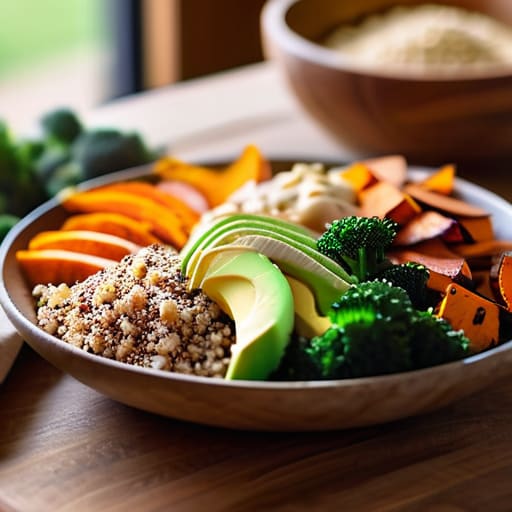
At the end of the day, building a balanced meal isn’t about following a rigid, mathematical formula or obsessing over every single gram of fiber. It’s really just about getting comfortable with the basics: finding that sweet spot between your proteins, veggies, and carbs so you feel fueled rather than weighed down. Whether you’re experimenting with a spicy Thai curry or just throwing together a quick grain bowl between client calls, remember that consistency beats perfection every single time. If you can master these simple proportions, you’ll find that you have much more energy to tackle your to-do list without that dreaded mid-afternoon slump hitting you like a freight train.
I know that when life gets chaotic—and let’s be real, my color-coded spreadsheets can only do so much to keep the chaos at bay—cooking can feel like just another chore on an endless list. But I want to encourage you to look at your plate as a small, delicious way to practice self-care. You don’t need a complete lifestyle overhaul to make an impact; you just need to start where you are. Take it one meal at a time, have a little fun with the flavors, and most importantly, be kind to yourself as you learn. You’ve totally got this!
Frequently Asked Questions
What if I’m eating out at a restaurant or a cafe—how can I still keep my plate balanced without feeling like I'm overthinking the menu?
Dining out can feel like a productivity nightmare for your nutrition, but don’t sweat it! I like to use the “visual scan” method. When the menu arrives, I quickly look for a protein, a veggie, and a carb before I even get hungry. If a dish looks a little heavy on the carbs, I’ll just ask to swap the fries for a side salad. It’s not about perfection; it’s just about making small, smart pivots!
Does this ratio change depending on whether I'm having a high-intensity workout day or a more sedentary day at my desk?
Oh, absolutely! This is where my love for spreadsheets actually becomes useful. Think of your plate as a flexible tool, not a rigid rulebook. On those heavy workout days, I definitely lean into extra carbs to refuel my engine. But on my “stuck at the desk” days? I dial back the grains and load up on extra greens and protein to avoid that mid-afternoon energy slump. It’s all about adjusting to your body’s actual needs!
I’m not a huge fan of certain vegetables; are there easy, low-effort swaps I can use to hit my nutrient goals without making cooking feel like a chore?
I totally get it—forcing yourself to eat kale when you’d rather have anything else is a one-way ticket to kitchen burnout! Think of veggies as modular components rather than strict rules. If broccoli feels like a chore, swap it for roasted carrots or even some frozen peas; they’re just as nutritious and way less intimidating. Even a handful of baby spinach tossed into pasta works wonders. It’s all about those low-effort wins!