I still remember standing in my tiny, cramped Brooklyn apartment during my first year after college, staring at a pan of chicken that looked perfectly cooked but tasted like… well, absolutely nothing. I had followed a recipe to the letter, yet every bite felt hollow and uninspired. It was a total epiphany moment: I realized that knowing a recipe isn’t the same as understanding how to season food to actually make it sing. I used to think you needed a massive, expensive spice rack or a culinary degree to make a meal worth eating, but I was dead wrong.
I’m not here to sell you on some complicated, twelve-step gourmet ritual that requires a chemistry set and three hours of prep. Instead, I want to share the small, practical shifts that changed my kitchen game forever. We’re going to talk about the simple, intuitive tweaks—like balancing salt, acid, and heat—that turn a mediocre Tuesday night dinner into something truly soul-warming. My goal is to give you the no-nonsense confidence to stop following instructions blindly and start trusting your own palate.
Table of Contents
Mastering the Difference Between Seasoning and Flavoring
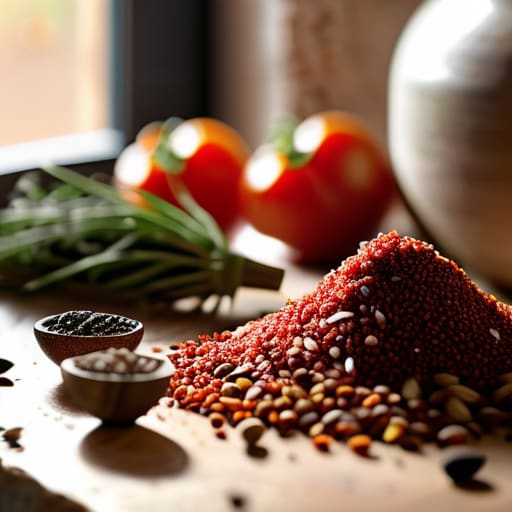
I used to get these two terms totally mixed up, too! I’d be standing in my kitchen, tossing a handful of dried oregano into a pot and thinking, “Yep, I’m seasoning this!” But here’s the secret: there is a massive difference between seasoning and flavoring that changes everything. Think of seasoning as the foundation—it’s about enhancing what’s already there. Salt is the MVP here; it doesn’t make things “salty,” it just makes the tomato taste more like a tomato. Flavoring, on the other hand, is where you introduce new personalities to the dish, like adding garlic or cumin to steer the meal in a specific direction.
To really level up, you have to get comfortable with layering flavors in cooking. It’s not just about one big splash at the end; it’s about building a profile from the bottom up. I always tell my clients that the real magic happens when you focus on balancing salt and acid. If a soup tastes “flat,” it usually doesn’t need more salt—it probably needs a squeeze of lemon or a splash of vinegar to wake everything up!
Building Your Essential Spice Cabinet Staples
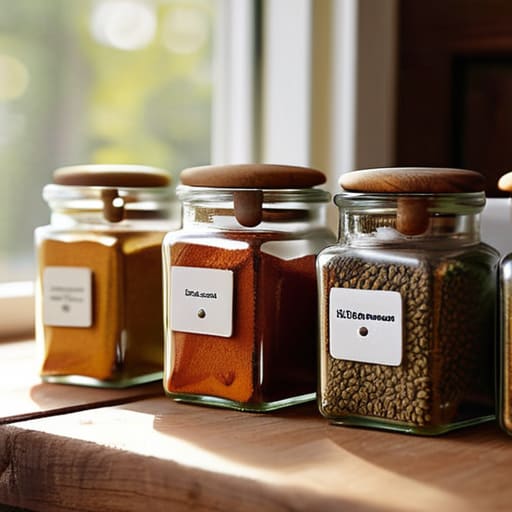
Now, I know what you’re thinking: “Emily, I don’t have room for fifty different jars of dust!” Trust me, I get it. My kitchen cabinets are a bit of a battleground between my love for cooking and my need for organization (shoutout to my color-coded spice labels!). But you don’t need a massive collection to start layering flavors in cooking like a pro. Instead of buying every trendy blend you see on Instagram, focus on building a foundation of essential spice cabinet staples that actually work hard for you.
Start with the heavy hitters: sea salt, black peppercorns, garlic powder, and maybe some smoked paprika or cumin. These are your building blocks. Once you have those, you can start experimenting with umami flavor enhancers like dried mushrooms or even a high-quality soy sauce to add that savory depth we all crave. The real magic happens when you stop following recipes blindly and start trusting your palate. My best advice? Always keep a tasting spoon handy. Learning how to taste food while cooking is the ultimate secret weapon; it’s the only way to know if your dish needs a little more heat or a tiny pinch of salt before it hits the table.
My Little Secrets for Flavor Magic
- Salt is your absolute best friend, but timing is everything. If you’re cooking something like a hearty stew, add a little salt early on to penetrate the ingredients, but save a final pinch for the very end to really make those flavors pop right before you serve.
- Don’t be afraid to taste as you go! I know, I know—it sounds basic—but I can’t tell you how many times I’ve saved a dish just by taking a tiny spoonful mid-way through and realizing it needed a little extra kick.
- Acid is the “secret ingredient” most people forget. If a dish tastes flat or heavy, don’t just reach for more salt; try a squeeze of fresh lemon juice or a tiny splash of vinegar. It’s like hitting the brightness slider on a photo—it just wakes everything up.
- Toast your whole spices to unlock the good stuff. If you’re using cumin seeds or peppercorns, toss them in a dry pan for a minute until they smell amazing. It’s a tiny extra step that makes your kitchen smell like a five-star restaurant and makes the flavor way more intense.
- Balance your heavy hitters. If you’ve gone a bit wild with something spicy or pungent, counter it with something else. A little bit of sweetness (like a drizzle of honey) or a touch of creaminess can help mellow out a dish that’s feeling a little too aggressive.
My Golden Rules for Seasoning Success
Think of seasoning as your foundation—don’t wait until the very end to realize your food is bland; sprinkle salt and pepper throughout the cooking process to build layers of flavor.
Trust your palate over the recipe, because a “pinch” of something in my kitchen might look very different from yours, and that’s totally okay!
Keep it simple to avoid overwhelm; you don’t need a hundred exotic spices to make a meal great, just a few reliable staples used with a little bit of intention.
My Golden Rule for the Kitchen
“Think of seasoning like the color-coding in my spreadsheets—it’s not about adding extra noise, it’s about bringing everything into focus so the real magic can actually shine through.”
Emily Carter
Bringing It All Home to Your Kitchen
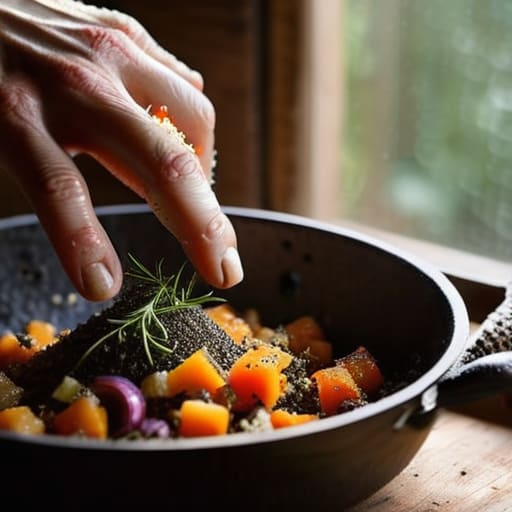
At the end of the day, seasoning isn’t about following a rigid, intimidating set of rules—it’s about understanding how to make your food sing. We’ve covered a lot of ground, from learning that seasoning is about enhancing what’s already there rather than just masking it with flavor, to building up that foundational spice cabinet that makes cooking feel less like a chore and more like an adventure. Remember, you don’t need a pantry full of rare, expensive powders to make a meal delicious; you just need to master the basics and trust your instincts as you go.
If I can leave you with one thought, it’s this: don’t be afraid to make a mistake. I’ve definitely had my fair share of “experimental” dinners that ended up being a bit too salty or wildly spicy, but even those moments are just part of the learning curve. Cooking should be a source of joy and a way to decompress, not another item on your stressful to-do list. So, grab your salt shaker, get a little messy, and embrace the delicious chaos of creating something wonderful. You’ve totally got this!
Frequently Asked Questions
How do I know if I’ve added too much salt without ruining the whole dish?
Oh, we have all been there—the “oops, I went a little heavy on the salt shaker” moment. First, don’t panic! If it’s a soup or stew, try adding a splash of acid (like lemon juice) or a bit of starch (like a peeled potato) to absorb some of that saltiness. If it’s a solid dish, sometimes just adding more unsalted ingredients can balance it out. Think of it as a quick pivot, not a disaster!
Is there a specific order I should follow when adding spices so they don't burn or clump?
That is such a great question! I actually used to make this mistake all the time—I’d toss everything in at once and end up with a bitter, burnt mess. My rule of thumb? Start with your “hard” aromatics like garlic or onions, then add dried herbs and ground spices mid-way through. If you’re blooming spices in oil, keep the heat low; you want them fragrant, not blackened! Trust me, your taste buds will thank you.
Can I use dried herbs instead of fresh ones, or will it completely change the vibe of my meal?
Honestly, it won’t ruin the vibe, but you definitely can’t swap them one-for-one! Think of dried herbs as the “concentrated” version. Since they’ve lost their moisture, they’re much more potent, so I usually follow a 1:3 rule—use one teaspoon of dried for every tablespoon of fresh. Also, toss your dried herbs in early so they have time to rehydrate in the heat. Fresh is great for a bright finish, but dried is your best friend for slow-simmered goodness!