I still remember my first week living in a tiny, cramped New York apartment, staring down a box of dried penne and feeling completely defeated. I had spent my entire college budget on “premium” artisanal pasta, only to end up with a gummy, overcooked mess that tasted more like wet cardboard than a gourmet meal. It was one of those moments where you realize that knowing how to cook pasta perfectly isn’t about how much you spend at the grocery store; it’s about understanding the simple science happening in your pot. Honestly, I used to think I needed a degree in culinary arts just to get the texture right, but I was just overcomplicating a basic life skill.
I’m not here to give you a list of expensive gadgets or tell you that you need a professional-grade stovetop to succeed. Instead, I want to share the no-nonsense, practical shifts I’ve learned through years of trial, error, and way too many experimental dinners. I’m going to walk you through the tiny, actionable tweaks that will transform your kitchen routine from a chaotic struggle into a seamless win. Let’s get into it!
Table of Contents
Mastering Boiling Water Salt Levels for Instant Joy
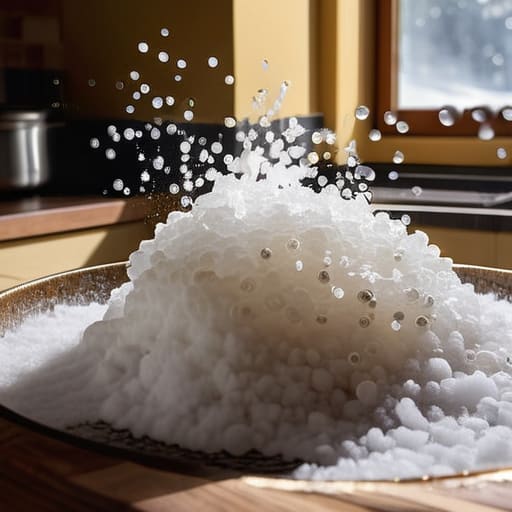
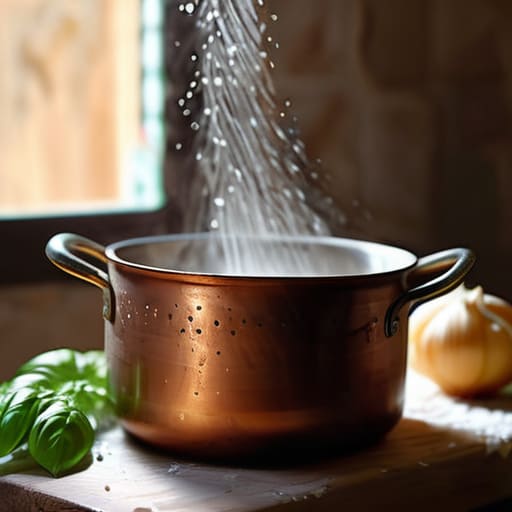
If you take nothing else away from my kitchen experiments, remember this: don’t be afraid of the salt shaker. I know, I know—we’re all trying to be mindful of our sodium intake, but when it comes to the pasta water importance, skipping the salt is a rookie mistake. You aren’t just seasoning the surface; you are seasoning the noodle from the inside out as it hydrates. My rule of thumb? Aim for that “salty sea water” vibe. If your water tastes bland, your pasta will taste like nothing, no matter how incredible your sauce is.
Getting your boiling water salt levels right is actually the secret to that professional, restaurant-quality bite. When the starch is seasoned properly from the start, it helps in preventing sticky pasta by ensuring the grains develop a distinct, clean texture. It’s one of those tiny, practical shifts that makes a massive difference between a mediocre meal and a moment of pure culinary joy. Trust me, your taste buds (and your future self) will thank you!
The Magic Secret of Pasta Water Importance
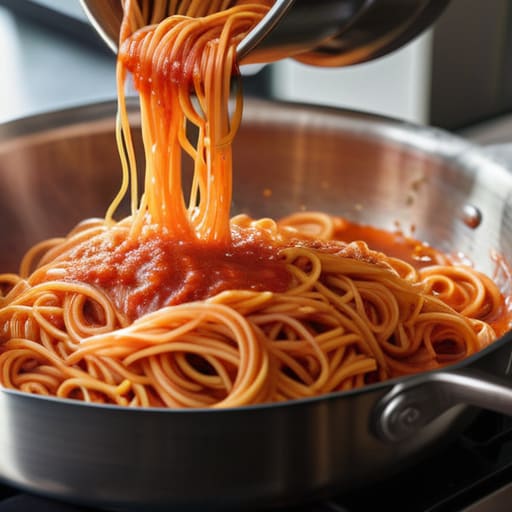
Now, if you take nothing else away from my kitchen experiments, please remember this: that cloudy, starchy liquid left in your pot isn’t just waste—it’s actually liquid gold. I used to be guilty of dumping it all down the drain without a second thought, but once I understood the true pasta water importance, my entire cooking game shifted. That starchy goodness acts like a natural emulsifier, helping your sauce cling to the noodles rather than just sliding off to the bottom of the bowl in a sad, watery puddle.
When you’re finishing your dish, splash a little bit of that salty, starchy water into your pan with the sauce and toss everything together. It creates this silky, luxurious coating that makes even a simple butter and garlic sauce feel like something you’d pay $30 for at a bistro in Manhattan. It’s one of those tiny, practical shifts—the kind I’m always preaching about—that makes a massive difference in preventing sticky pasta and ensuring every single bite is perfectly coated and flavorful.
My Little Cheat Sheet for Pasta Perfection
- Don’t fear the oil, but use it wisely! While I usually tell people to skip the oil in the pot (it can actually make your sauce slide right off!), I love a tiny drizzle of high-quality olive oil right at the end to give your noodles that gorgeous, silky sheen.
- Time your pasta like you’re timing a big project. Start tasting your noodles about two minutes before the box says they’re done. You’re looking for that perfect “al dente” bite—firm to the tooth, not mushy or limp!
- Treat your pasta water like liquid gold. Before you drain everything into the sink, scoop out a mugful of that starchy, salty water. It is the ultimate secret weapon for emulsifying your sauce and making it cling to every single strand.
- Give your pasta some breathing room. If you’re cooking a larger batch, make sure you’re using a big enough pot. Nothing kills the vibe faster than a clump of stuck-together noodles because they didn’t have enough space to dance around in the boil.
- Respect the sauce-to-pasta ratio. I used to just plop pasta on top of a pile of sauce, but the pro move is to toss the cooked noodles directly into the pan with the sauce for the last minute of cooking. It lets the flavors actually get to know each other!
My Quick Cheat Sheet for Pasta Perfection
Don’t be afraid of the salt—if your pasta water doesn’t taste like a delicious Mediterranean sea, you’re probably playing it too safe!
Treat that starchy, cloudy pasta water like liquid gold; a splash of it is the secret ingredient that helps your sauce cling to every single noodle.
Always aim for “al dente” (firm to the bite) because remember, the pasta will keep cooking just a little bit more once you toss it in the pan with your sauce.
## The Secret Sauce is Actually Just Science (and a Little Love)
“Cooking the perfect pasta isn’t about following a rigid recipe to the letter; it’s about mastering those tiny, intentional shifts—like seasoning your water like the Mediterranean Sea—that turn a quick Tuesday night meal into something that feels like a warm hug in a bowl.”
Emily Carter
Bringing It All Together
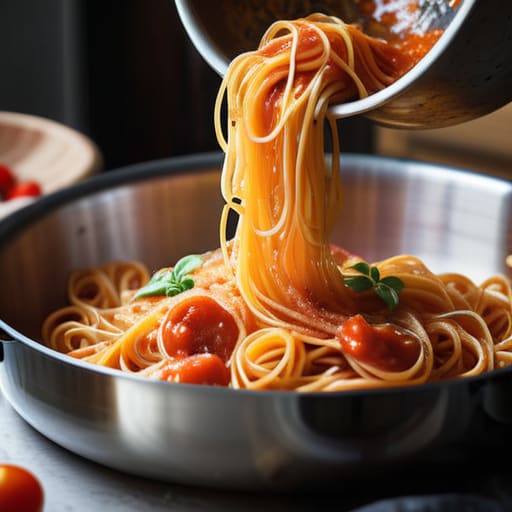
So, there you have it! Perfect pasta isn’t about having a professional kitchen or expensive gadgets; it’s really just about those tiny, intentional shifts in your process. Remember to salt your water like the sea to build that foundation of flavor, and never, ever toss that starchy liquid down the drain! That liquid gold is your secret weapon for creating a sauce that actually clings to your noodles instead of sliding off the plate. When you combine a generous hand with salt and a splash of that reserved pasta water, you’re moving from just “making dinner” to mastering a culinary craft right in your own kitchen.
At the end of the day, I want you to remember that cooking should be a source of joy, not another stressful item on your to-do list. Whether you’re whipping up a quick midweek meal or hosting a fancy dinner for friends, these little tweaks are designed to give you more confidence and much more delicious results. Don’t be afraid to experiment, make a mess, and most importantly, trust your instincts. Life can be chaotic enough as it is, so let’s make sure our meals are one thing we can truly count on to bring a little bit of magic to the table. Happy cooking!
Frequently Asked Questions
Is it actually okay to toss the leftover pasta water, or am I throwing away liquid gold?
Oh, please don’t you dare pour that down the drain! I know it feels like just another step in the cleanup, but you are absolutely throwing away liquid gold. That starchy, salty water is basically culinary magic in a cup. I always keep a small mug aside before draining. It’s the secret weapon for emulsifying your sauce so it clings to every single noodle instead of just sliding off. Save it!
How do I know if my pasta is truly al dente without accidentally overcooking it?
This is the ultimate “make or break” moment, isn’t it? Here’s my foolproof trick: about two minutes before the box says it’s done, grab a single piece of pasta and bite into it. You’re looking for a tiny, firm white dot right in the center—that’s the soul of al dente. It should offer a little resistance, not a mushy squish. If you see that dot, pull it out immediately! Remember, it keeps cooking in the sauce.
Should I really be adding oil to the pot, or is that just a big kitchen myth?
Let’s debunk this one right now: skip the oil! I know it feels like a smart move to prevent sticking, but it’s actually a total kitchen myth. Adding oil just creates a slippery film on your noodles, which means your delicious sauce will slide right off instead of clinging to every bite. If you want that perfect, silky coating, just use plenty of water and give it a good stir!