Ever stood in front of an open fridge at 6:30 PM, staring at a sad, limp bell pepper and a bag of untouched carrots, wondering why you even bothered with the grocery run? We’ve all been there—that moment of pure, unadulterated decision fatigue where the thought of chopping feels like a mountain you just can’t climb. Most “gurus” will tell you that you need a professional-grade mandoline or three hours of uninterrupted Sunday bliss to master how to prep vegetables, but honestly? That’s just recipe for burnout. I used to think I had to be a culinary pro to stay healthy, but I realized that the secret isn’t about fancy tools; it’s about outsmarting your future, tired self.
I’m not here to give you a complicated, ten-step system that requires a color-coded spreadsheet (okay, maybe just a little bit of organization). Instead, I want to share the low-effort, high-impact shifts I’ve learned from years of balancing freelance chaos with a love for experimental cooking. I’m going to show you how to reclaim your evenings by making vegetable prep actually manageable. No fluff, no expensive gadgets—just practical, real-world tactics to help you eat better without losing your mind.
Table of Contents
Simple Knife Skills for Cooking With Confidence
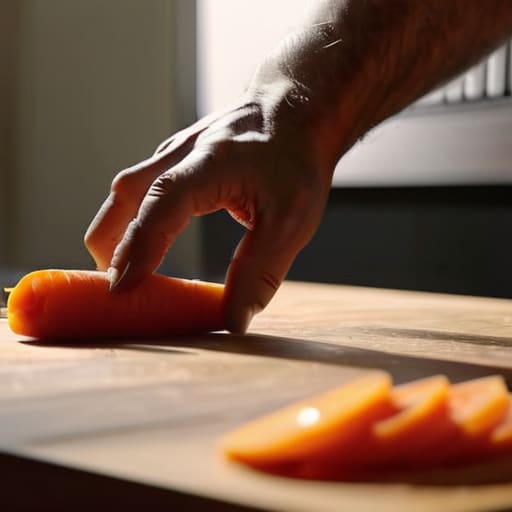
Now, I know what some of you are thinking: “Emily, I’m terrified of those sharp objects!” Trust me, I spent my first week in a professional kitchen feeling exactly the same way. But here’s the secret: mastering basic knife skills for cooking isn’t about being a Michelin-star chef; it’s about safety and consistency. When your pieces are uniform in size, they cook at the same rate, meaning you won’t end up with some mushy bits and some crunchy ones in the same pan.
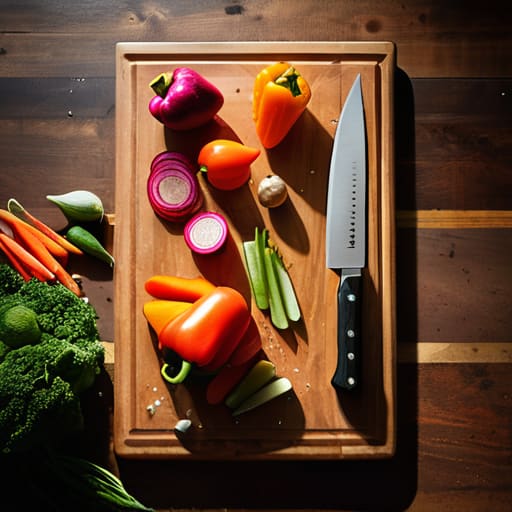
The most important thing I learned is the “claw grip.” Instead of keeping your fingertips extended like a target, curl them inward so your knuckles act as a guide for the blade. It feels a little weird at first, but it’s a total game-changer for preventing accidents. Also, please, for the love of all things organized, invest in one decent chef’s knife. You don’t need a massive set of expensive kitchen tools for veggie prep, just one sharp, reliable blade that feels comfortable in your hand. Once you get that rhythm down, you’ll feel so much more in control of your kitchen chaos!
How to Wash Vegetables for a Fresh Start
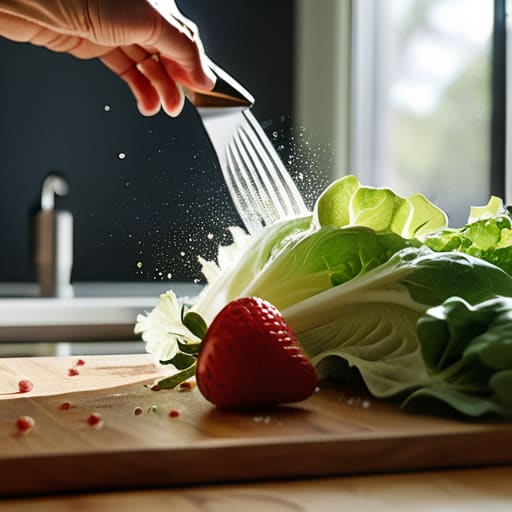
Before we even touch those knives, we have to talk about the foundation of any good prep session: cleanliness. I know, it sounds basic, but honestly, learning how to wash vegetables properly is where a lot of people trip up. If you’re diving into meal prep for beginners, the golden rule is to wash your produce right before you cut it. If you wash leafy greens or berries and then toss them straight into a container, that extra moisture becomes a breeding ground for mold. Trust me, I’ve learned that lesson the hard way more times than I’d like to admit!
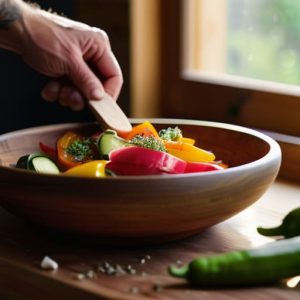
For the sturdier stuff like carrots or bell peppers, a quick rinse under cold running water works wonders. But for the delicate items, I love using a large colander in the sink to give them a gentle soak. Once they’re clean, the real secret to keeping vegetables fresh longer is making sure they are completely dry before they hit the cutting board or any storage container. Grab a clean kitchen towel or even a salad spinner to shake off that excess water—your future self will thank you when your veggies stay crisp all week!
My Secret Weapons for a Stress-Free Prep Session
- Invest in a few good containers. I know, I know, it sounds like a boring “adulting” thing, but having a variety of airtight glass containers is a total game-changer. It keeps everything crisp and makes grabbing a handful of chopped peppers for a quick stir-fry so much easier when you’re in a rush.
- Group your veggies by “use case.” Instead of just chopping random stuff, I like to prep in themes. If I know I’m making Mediterranean bowls this week, I’ll chop cucumbers, red onions, and bell peppers all at once. It feels way more intentional and saves me from pulling out the cutting board five different times.
- Don’t be afraid of the “ugly” bits. We often feel like we need everything to look like a Pinterest board, but honestly? If a carrot is a little wonky, just slice it into rounds and move on. Perfectionism is the enemy of a quick weeknight dinner, and I’ve learned that flavor matters way more than symmetry.
- Use a damp paper towel under your cutting board. This is one of those tiny life hacks that changed my kitchen game. It stops your board from sliding around while you’re working, which makes the whole process feel much safer and more controlled—especially when you’re trying to multitask.
- Master the art of the “dry storage” trick. For things like leafy greens or herbs, moisture is the enemy. I always make sure they are thoroughly dried before they go into the fridge. If you’re feeling extra organized (and trust me, I am), tuck a little piece of paper towel into the container to soak up any extra humidity!
Quick Wins to Keep You Moving
Think of prepping as a gift to your future self; spending twenty minutes on a Sunday chopping veggies can save you from that “what’s for dinner?” panic on a hectic Tuesday.
Don’t feel like you have to go overboard—even just washing and drying your greens or slicing a few bell peppers can make a massive difference in how easy it is to whip up a healthy meal.
Invest in a few decent containers and maybe a little label maker (guilty!) to keep your prepped goods organized and fresh, so you’re actually excited to use them.
The Secret to a Stress-Free Kitchen
“Think of vegetable prep not as another chore on your to-do list, but as a gift to your future self; five minutes of chopping now means a calm, organized evening later instead of a chaotic scramble when you’re already hungry.”
Emily Carter
Small Steps to a Smoother Kitchen
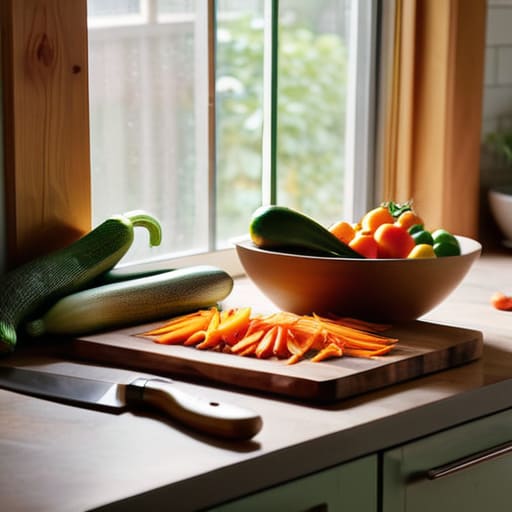
At the end of the day, prepping your vegetables isn’t about achieving culinary perfection or having a kitchen that looks like a professional chef’s studio. It’s really just about reducing the friction between you and a healthy, delicious meal. By mastering those basic knife skills, getting your washing routine down, and doing just a little bit of chopping ahead of time, you’re effectively removing the excuses that usually lead to ordering takeout. Whether you’re organizing your ingredients into little bowls or just making sure your cutting board is sturdy, these small, intentional habits turn a daunting cooking session into something that feels totally manageable.
I know that when life gets chaotic—and trust me, between freelance deadlines and my own color-coded life spreadsheets, I get it—the last thing you want to do is face a pile of unwashed carrots. But I promise you, once you start seeing the time you reclaim in the evenings, it becomes so worth it. Don’t feel like you have to overhaul your entire kitchen overnight; just pick one vegetable to prep this week and see how it feels. You’ve got this, and I truly believe that mastering these tiny shifts is the secret to finding more balance and joy in your daily routine. Happy cooking!
Frequently Asked Questions
How long can I actually keep my chopped veggies in the fridge before they start getting sad and wilted?
The short answer? It depends on the veggie, but generally, you’re looking at 3 to 5 days. Harder veggies like carrots or bell peppers are total troopers and can last even longer, while leafy greens tend to get “sad” and wilted much faster. My pro tip? Invest in some airtight glass containers. It keeps the moisture in and the chaos out, ensuring your prep work actually stays fresh enough to enjoy!
Do I really need to buy all these fancy containers, or can I just use whatever Tupperware I already have lying around?
Honestly? Save your money. I know my color-coded organization spreads make it look like I live in a pristine showroom, but you absolutely do not need a specialized set of fancy containers to succeed. If your current Tupperware is airtight and fits in your fridge, it’s good enough! The goal is reducing waste and saving time, not building a Pinterest-perfect pantry. Use what you have, and let’s focus on the actual prep!
What’s the best way to prep things like onions or garlic without my whole kitchen smelling like a pizza parlor for three days?
Ugh, the “garlic lingering” struggle is so real! I used to feel like I’d lived in a pizzeria for a week after one stir-fry session. My best hack? Prep them in a small, dedicated glass prep bowl with a tight lid right away. If you’re prepping in bulk, store them in airtight glass containers—plastic just absorbs those smells. Also, a quick wipe of your cutting board with a bit of lemon juice or salt works wonders to neutralize the scent!