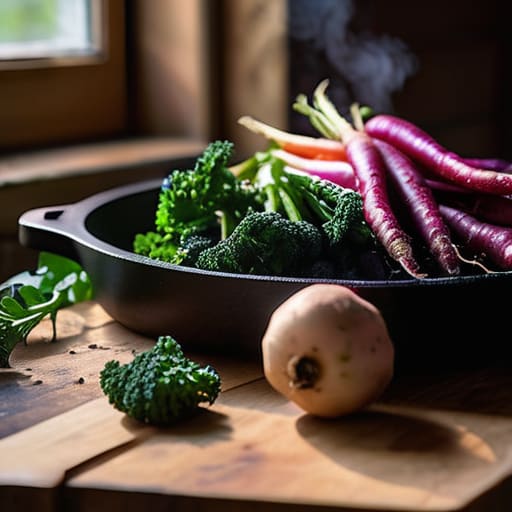
I still remember my first week living in a tiny, cramped NYC apartment, staring down a sad, limp head of broccoli like it was a final exam I hadn’t studied for. I had all these fancy cookbooks promising “culinary mastery,” but in reality, I was just terrified of turning everything into a mushy, flavorless mess. We’ve been told that learning how to cook vegetables requires expensive gadgets, organic specialty shops, or a culinary degree, but honestly? That’s just noise. Most of the “expert” advice out there makes a simple task feel like a high-stakes project, when it should actually be the easiest part of your meal prep.
I’m not here to give you a lecture on molecular gastronomy or demand you buy a sous-vide machine. Instead, I want to share the actual, low-stress methods I use to keep my kitchen running smoothly and my meals delicious. I’m going to show you how to master a few simple, repeatable techniques that work every single time, regardless of your skill level. My goal is to help you ditch the intimidation and turn your veggie game around with tiny, practical shifts that make cooking feel like a win rather than a chore.
Table of Contents
Finding the Best Ways to Prepare Vegetables Every Day
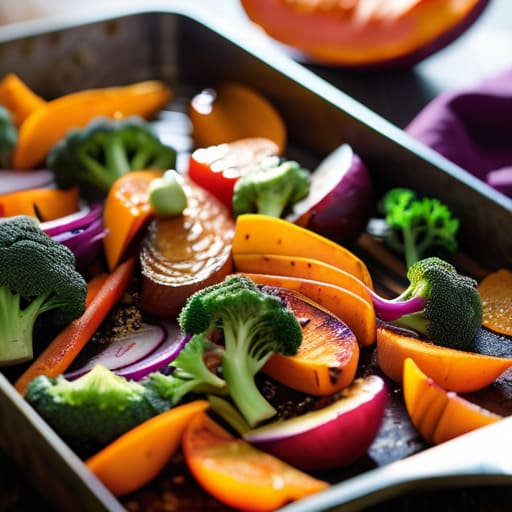
When I first moved to the city, my diet was basically whatever I could grab on the go, which was… not great for my energy levels. I realized that if I wanted to actually enjoy eating greens, I had to stop treating them like a chore. One of the best ways to prepare vegetables without spending an hour in the kitchen is to embrace the “sheet pan method.” Throwing everything on a tray with some olive oil and salt is a total game-changer for my busy workdays.
I used to get caught up in the whole steaming vs roasting vegetables debate, thinking I had to do it the “right” way to be healthy. Honestly? It’s all about what makes you actually want to eat them. Roasting brings out that gorgeous natural sweetness, while steaming keeps things light and crisp. If you’re feeling uninspired, don’t forget that seasoning vegetables for flavor is where the real magic happens. A little squeeze of lemon, a dash of smoked paprika, or even some toasted sesame seeds can turn a boring side dish into something you’ll actually look forward to eating.
Healthy Vegetable Cooking Methods for a Simpler Life
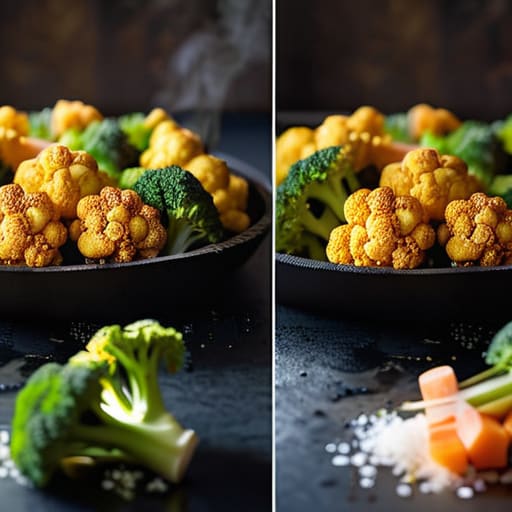
When it comes to staying on track with my wellness goals, I’ve realized that I don’t need to spend hours in the kitchen to eat well. I’m a huge fan of steaming vs roasting vegetables depending on how much time I actually have. If I’m in a rush between client calls, a quick steam in the microwave or a steamer basket keeps things light and fast. But, if I have a little more breathing room in the evening, roasting is my absolute go-to. It transforms something as simple as a head of cauliflower into something crispy and delicious that feels like a treat rather than a chore.
The real secret to making these habits stick, though, is all about the flavor. I used to think “healthy” meant “bland,” but that was a huge mistake! Once I started experimenting with seasoning vegetables for flavor—think smoked paprika, lemon zest, or a drizzle of balsamic—everything changed. It turns a basic bowl of greens into something I actually look forward to eating. Finding those quick vegetable side dishes that require minimal cleanup is the ultimate productivity hack for my kitchen.
My Little Cheat Sheet for Veggie Success
- Don’t be afraid of high heat. I used to think steaming everything was the “right” way, but a quick sear in a hot pan with a little olive oil adds that caramelized flavor that actually makes you want to eat your greens.
- Invest in a decent chef’s knife. It sounds fancy, but honestly, if your knife is dull, chopping a pile of carrots feels like a chore rather than a quick task. A sharp blade makes prep time feel much more manageable.
- Seasoning is your best friend, not your enemy. A tiny sprinkle of flaky sea salt and a squeeze of fresh lemon juice right at the end can turn a boring pile of roasted cauliflower into something that tastes like it came from a bistro.
- Master the “one-pan wonder.” If you’re like me and love a good spreadsheet, you’ll love the efficiency of sheet-pan roasting. Toss your veggies in oil and spices, slide them in the oven, and go tackle something else on your to-do list.
- Keep it simple with your flavor profiles. You don’t need twenty different spices; sometimes just garlic, red pepper flakes, and a bit of parmesan is all you need to make a vegetable feel like a real meal.
My Quick Cheat Sheet for Veggie Success
Don’t aim for perfection; even a quick, messy stir-fry is a massive win for your health compared to skipping the greens entirely.
Master one or two simple methods—like roasting or steaming—before trying to become a gourmet chef; keeping it simple is the key to consistency.
Use your prep time as a moment of mindfulness rather than a chore; a little bit of chopping can actually be a surprisingly grounding part of your daily routine.
My Secret Sauce for Veggie Success
“Forget about those intimidating, gourmet-style recipes for a second; cooking vegetables is really just about finding those tiny, delicious wins—like a quick toss in a pan or a sprinkle of the right spice—that turn a ‘healthy chore’ into the best part of your meal.”
Emily Carter
Bringing It All Home to Your Kitchen
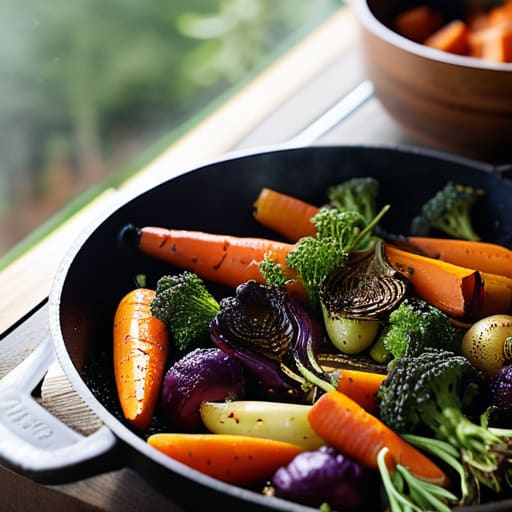
At the end of the day, mastering your veggies isn’t about becoming a Michelin-starred chef or spending hours meticulously prepping every single ingredient. It’s really about finding those small, manageable techniques—like a quick roast in the oven or a light sauté—that fit into your actual, busy life. Whether you’re leaning into the simplicity of steaming to keep things nutritious or experimenting with bold spices to shake up a boring side dish, the goal is to make healthy eating feel like a win rather than a chore. Remember, even a tiny shift in how you handle a bag of spinach or a head of broccoli can completely transform your daily energy levels and your relationship with food.
I know that sometimes looking at a pile of raw produce can feel a little overwhelming, especially after a long day of work. But I promise you, you don’t have to get it perfect every single time. Think of your kitchen as a playground for small, delicious experiments rather than a place of strict rules. If you burn a batch of carrots or overcook the zucchini, just laugh it off and try again tomorrow. My biggest piece of advice? Just start small. One colorful, tasty meal is all it takes to build momentum, and before you know it, you’ll be navigating the chaos of mealtime with a huge smile on your face.
Frequently Asked Questions
I’ve always struggled with mushy veggies—how do I keep them from getting overcooked and gross?
Oh, the dreaded mushy veggie! I’ve been there, and trust me, it’s a total mood killer. My secret? It’s all about the “don’t walk away” rule. Most of us overcook them because we get distracted by a spreadsheet (guilty!). Try steaming for just a few minutes or quick-sautéing on high heat. You want that perfect “al dente” snap. A little bit of texture goes a long way in making your meal actually enjoyable!
Is there a way to prep my vegetables ahead of time so I'm not stuck chopping everything right when I'm hungry?
Oh, I feel this in my soul! There is nothing worse than being “hangry” and staring down a pile of unpeeled carrots. My secret weapon? Sunday prep sessions. I usually spend an hour washing, chopping, and storing everything in clear glass containers. I even have a color-coded spreadsheet to track what needs to be eaten first! If you prep your aromatics and hearty veggies ahead of time, dinner becomes a breeze instead of a chore.
What are some easy ways to add flavor without just dumping a ton of salt on everything?
Trust me, I’ve been there—staring at a bland bowl of steamed broccoli and thinking, is this my life now? Before you reach for the salt shaker, try playing with acidity or aromatics. A quick squeeze of fresh lemon or a splash of rice vinegar can totally wake up a dish. If you have five extra minutes, sautéing some garlic or ginger in a little olive oil adds so much depth. It’s a tiny shift that makes a huge difference!