
I remember sitting in my tiny, overpriced Brooklyn apartment last year, staring at a takeout container of lukewarm Pad Thai and a spreadsheet that was looking distressingly red. I had been following all the “standard” frugal advice—cutting out my morning latte, skipping dinners with friends, and living on bland, repetitive meals—but I just felt miserable. It turns out, the biggest myth in the personal finance world is that saving money has to feel like a punishment. If you’re searching for how to spend less without feeling deprived, you’ve probably realized that most “budgeting hacks” actually just suck the joy out of your life.
I’m not here to tell you to live a life of deprivation or to stop enjoying the things that make you, well, you. Instead, I want to share the tiny, intentional shifts I’ve used to reclaim my bank account without losing my sanity. I’m talking about practical, real-world strategies that focus on cutting the fluff so you can actually afford the things that matter. We’re going to ditch the restrictive mindset and focus on smart, sustainable swaps that keep your budget happy and your spirit even happier.
Table of Contents
Unlocking the Psychology of Spending Habits

To really get a handle on our bank accounts, we have to look inward first. Most of the time, our spending isn’t actually about the item itself; it’s about the feeling we’re chasing in that moment. Whether it’s a mid-afternoon caffeine fix or a late-night online shopping spree, we’re often just trying to soothe stress or celebrate a tiny win. Understanding the psychology of spending habits is like finally seeing the blueprint of your own brain. Once you realize that an impulse buy is often just an emotional band-aid, it becomes much easier to pause and ask, “Do I actually want this, or am I just tired?”
Instead of fighting your desires with sheer willpower—which, let’s be real, never works for long—I love leaning into value-based spending strategies. This means shifting the focus from what you’re cutting out to what you’re prioritizing. When you align your money with what truly brings you joy, like a great cooking class or a weekend trip, you stop feeling like you’re on a restrictive diet and start feeling like you’re finally investing in yourself.
Value Based Spending Strategies for Joyful Living
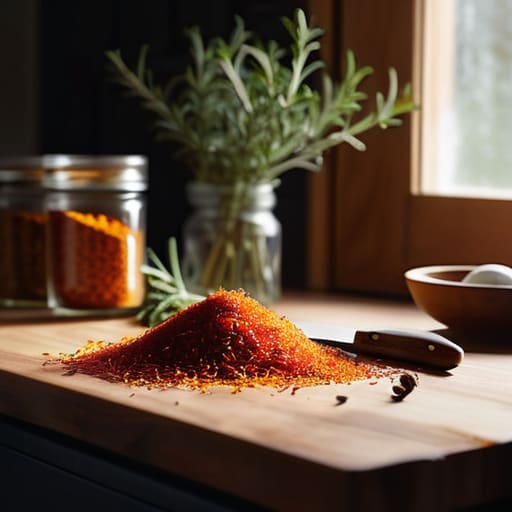
Once you’ve peeked under the hood of your spending psychology, it’s time to actually steer the ship. This is where value-based spending strategies come into play. Instead of looking at your bank account as a list of things you can’t do, I like to view it as a tool to fund what I actually love. For me, that means I might skip the third designer handbag I don’t need, but I’ll happily splurge on high-quality spices for my weekend cooking experiments. It’s not about restriction; it’s about intentionality. When you align your dollars with your actual passions, you stop feeling like you’re losing and start feeling like you’re winning at life.
To make this stick, I highly recommend a little “joy audit.” Take a look at your last month of transactions and ask yourself: “Did this purchase actually add value to my daily life, or was it just a momentary distraction?” This is the ultimate secret to budgeting for lifestyle enjoyment. By cutting out the “noise”—those mindless Amazon hauls or mid-day takeout runs that don’t even taste that good—you free up the resources to invest in the experiences that truly make you feel alive.
My Favorite Low-Stress Tweaks for a Happier Wallet
- The “Wait and Weight” Rule: When I see something online that I absolutely must have, I add it to my cart but force myself to wait 48 hours before hitting buy. Usually, the dopamine hit of “finding” it wears off, and I realize I didn’t actually need it—which feels way better than a cluttered closet and a lighter bank account.
- Audit Your Subscriptions (The Spreadsheet Way): I know, I know, it sounds tedious, but I once spent an entire Sunday color-coding my recurring monthly costs. You’ll be shocked at how many “free trials” or niche streaming services are quietly draining your account. Canceling those $9.99 ghost charges is an instant win.
- Embrace the “Shop Your Pantry” Challenge: Before I head to the grocery store, I play a little game where I try to cook a meal using only what’s currently hiding in the back of my cupboard. It’s basically like a cooking show, but instead of a prize, you get the satisfaction of not spending $60 on takeout tonight.
- Master the Art of the “High-Low” Lifestyle: You don’t have to cut out everything you love. I still buy the fancy, high-quality espresso beans that make my mornings feel special, but I’ll switch to generic brand pasta or basic household cleaners to balance it out. It’s about choosing where your money actually brings you joy.
- Automate Your “Future Self” Savings: I treat my savings like a non-negotiable bill. By setting up an automatic transfer to my savings account the day my paycheck hits, I’m essentially deciding how much I can spend before I even see the money. It takes the willpower out of the equation entirely!
The Cheat Sheet for a Happier Budget
Stop aiming for “less” and start aiming for “better”—by cutting out the mindless spending that doesn’t spark joy, you actually free up more room for the things that truly matter to you.
Treat your budget like a living document rather than a prison sentence; it’s okay to adjust your plan as your life (and your cravings!) change.
Focus on the small, intentional shifts, like mastering a new recipe at home instead of ordering takeout, to prove that saving money doesn’t have to feel like a sacrifice.
The Secret to a Happy Budget
“Saving money shouldn’t feel like you’re punishing yourself; it’s actually about clearing out the clutter of mindless spending so you have more room—and more funds—for the things that truly make your soul sing.”
Emily Carter
Finding Your Financial Flow

At the end of the day, trimming your budget isn’t about deprivation or saying a permanent “no” to everything you love; it’s about saying a much more intentional “yes” to the things that actually matter. We’ve looked at how understanding your psychological triggers can stop those impulse buys in their tracks, and how shifting toward value-based spending allows you to direct your hard-earned cash toward genuine fulfillment rather than mindless clutter. Whether it’s automating your savings or finally ditching those subscription services you haven’t touched since 2021, remember that every small adjustment is a step toward greater financial freedom.
I know that looking at a spreadsheet of expenses can feel a little daunting at first (trust me, even with my color-coded systems, there are days it feels overwhelming!), but please be kind to yourself during this process. You aren’t aiming for perfection; you’re aiming for progress. Think of these shifts as a way to design a life that feels as good on the inside as it looks on the outside. You have the power to take control of your money so that it serves your dreams, rather than your stress. Now, go out there and start small—you’ve totally got this!
Frequently Asked Questions
How do I actually start tracking my spending without it feeling like a second, super-boring job?
Honestly, I used to treat my bank statements like a scary horror movie, so I get it! The secret is to ditch the complex software and start small. I swear by the “Sunday Coffee Audit.” Grab your favorite latte, open a simple color-coded spreadsheet (my absolute obsession!), and just jot down the big wins and losses from the week. Don’t aim for perfection; aim for awareness. If it feels like a chore, you’re doing too much!
I'm worried that cutting back on my little "treat yourself" moments will leave me feeling totally burnt out—how do I find that sweet spot?
I totally get it—the fear of “joy deprivation” is real! If you cut out everything that makes you smile, you’ll just end up resentful and exhausted. Instead of a total ban, try the “Swap, Don’t Stop” method. If your daily $7 latte is draining your budget, maybe switch to a high-quality bean you love at home, then save that extra cash for a monthly fancy brunch. It’s about intentionality, not austerity!
What are some realistic ways to save money on groceries and dining out when my social life revolves around food?
The “foodie” dilemma is real! I used to think my social life meant constant takeout, but I found a middle ground. Try hosting “themed potlucks” instead of hitting expensive restaurants—it’s way more intimate and much easier on the wallet. Also, when you do go out, try the “one-drink rule” or opt for happy hour appetizers. It keeps the vibe alive without the post-dinner sticker shock. Small tweaks, huge savings!